
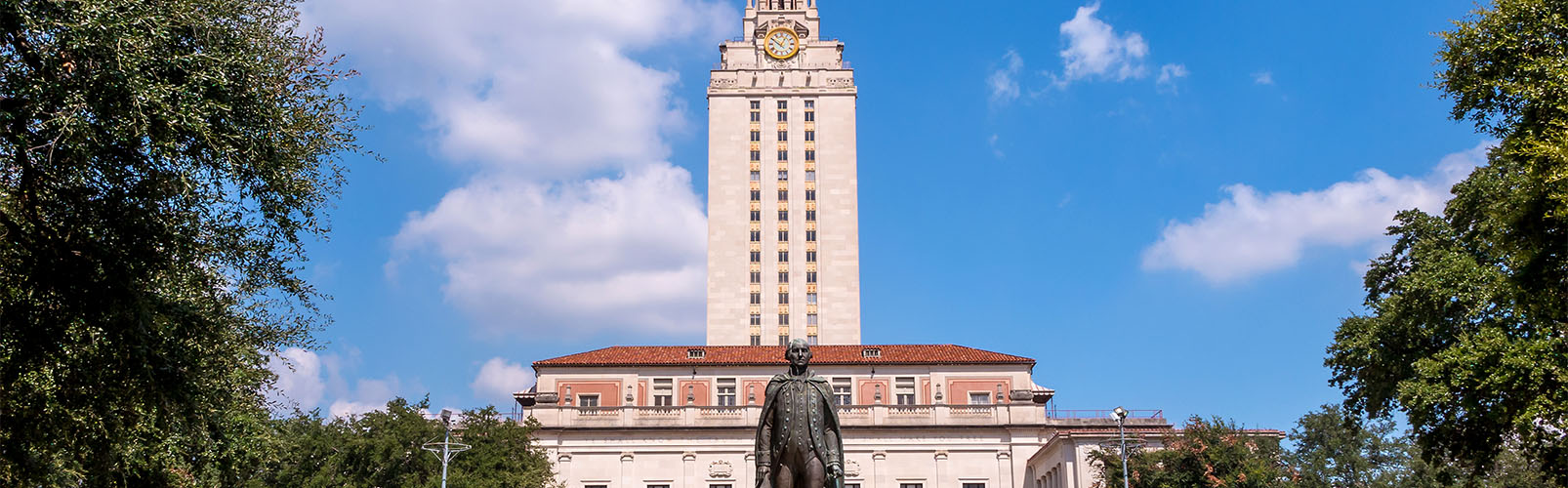
University of Texas at Austin
Study, Work, Live & Play in Austin, TX
Nestled in the vibrant heart of Texas, the University of Texas at Austin pairs elite academics with the city’s explosive growth, tech innovation, and cultural depth. Austin’s blend of urban sophistication, natural beauty, and year-round events makes it a magnet for global talent seeking an inspiring place to learn, build careers, and thrive. From groundbreaking research treasures to hidden outdoor escapes, Austin offers layers of discovery that captivate residents and visitors alike.
Study in Austin, TX
The University of Texas at Austin (UT Austin) stands as a beacon of academic excellence, drawing ambitious minds from around the world with its rigorous programs, innovative initiatives, and unique campus treasures. In U.S. News & World Report’s 2026 rankings, UT Austin secures No. 30 among National Universities and No. 7 among Top Public Schools, boasting standout specialties like computer science at No. 9 and multiple programs in the top 10, including accounting, finance, and engineering. Niche highlights its strong performance in academics, value, and campus life, while The Princeton Review’s 2026 edition inducts it into its “hall of fame” for consistent excellence, praising its entrepreneurship focus and best-value status.
On the expansive 431-acre campus, students engage in hands-on opportunities like the Freshman Research Initiative—one of the largest undergraduate research programs in the nation—and benefit from cultural gems at the Blanton Museum of Art. Lesser-known fascinations include the Harry Ransom Center’s possession of one of the world’s first photographs (Niépce’s 1826 heliograph) and a rare Gutenberg Bible, alongside an extensive underground tunnel system connecting buildings since the 1920s. The iconic UT Tower, originally a library, lights up orange for victories and features a resident peregrine falcon nicknamed “Tower Girl.” These elements, combined with a passionate Longhorn community and initiatives fostering innovation, make UT Austin an unparalleled hub for globally minded scholars seeking depth beyond the classroom.
Work in Austin, TX
Austin’s economy pulses with opportunity, earning repeated acclaim as one of America’s hottest job markets from outlets like the Wall Street Journal, thanks to robust labor participation, wage growth, and innovation across sectors. The tech landscape is dominated by visionaries: Elon Musk’s Tesla headquarters and Gigafactory Texas push boundaries in EVs and autonomy, with 2025 milestones including unsupervised Robotaxi testing on Austin streets and expansions at xAI advancing AI. Nearby in Bastrop, Musk’s ecosystem grows with X’s headquarters relocation and SpaceX facilities. Oracle, under Larry Ellison—who briefly became the world’s richest in 2025—anchors enterprise software, while Ellison’s Sensei Ag invests heavily in advanced greenhouses near Lockhart, blending tech with sustainable agriculture.
Beyond the giants, obscure innovators thrive: startups like Base Power (raising $1B for energy storage), Saronic (autonomous drone boats at $4B valuation), and Avride (robotaxi tech partnering with Uber) highlight robotics and AI surges. Forbes and Fortune note Austin’s startup boom in sustainable tech and cybersecurity, with low unemployment fueling diverse roles. This mix of established powerhouses and niche pioneers creates a strategic ecosystem for career growth in a capital city blending government, entertainment, and cutting-edge industry.
Live in Austin, TX
Austin’s lifestyle weaves laid-back eccentricity with sophisticated amenities, consistently ranking high in livability—U.S. News & World Report placed it No. 9 in its 2024-2025 Best Places to Live for quality of life, job prospects, and desirability. The food scene dazzles from legendary barbecue at Franklin’s to Michelin nods and eclectic trucks, while year-round sunshine beckons to hidden gems like the endangered Barton Springs salamander’s home in the spring-fed pool or the lush Barton Creek Greenbelt’s secret swimming holes and trails. Joe Rogan’s Comedy Mothership has catapulted Austin into a comedy powerhouse, hosting legends and fueling the expansive Moontower Just For Laughs Festival, transforming the scene into a rival for traditional hubs.
Unique quirks abound: the city’s massive urban bat colony under Congress Avenue Bridge (largest in North America), moonlight towers from the 1890s illuminating streets, and the “Keep Austin Weird” ethos shining in spots like the Cathedral of Junk—a evolving backyard sculpture from discarded items. Hill Country wineries, craft breweries, and diverse neighborhoods foster a welcoming, energetic community, celebrated in local publications like CultureMap and Eater Austin for its cultural depth, outdoor bliss, and inclusive spirit amid rapid growth.
Play in Austin, TX
As the undisputed “Live Music Capital of the World,” Austin thrives on nonstop entertainment, with iconic festivals drawing global crowds: SXSW (March 12-18, 2026) fusing music, film, and tech; Austin City Limits in Zilker Park; Two Step Inn for country vibes; the Austin Food & Wine Festival showcasing top chefs; and Moontower Just For Laughs Comedy Festival (April 8-19, 2026) featuring headliners like Marc Maron amid a booming scene boosted by Rogan’s Mothership. Nature’s playground shines in underrated spots: Hamilton Pool’s grotto waterfall, McKinney Falls’ trails and cascades, or the Greenbelt’s limestone cliffs and hidden falls for hiking, climbing, and swimming.
Quirky adventures include the massive bat emergence spectacle, paddling Lady Bird Lake with skyline views, or exploring Mayfield Park’s peacocks and lily ponds. From spontaneous Sixth Street nights to serene Hill Country winery hops and brewery patios, Austin’s fusion of music, comedy, food, and outdoor magic—enhanced by events like holiday Luminations at the zoo—delivers endless, unforgettable recreation in a city that pulses with pure energy.
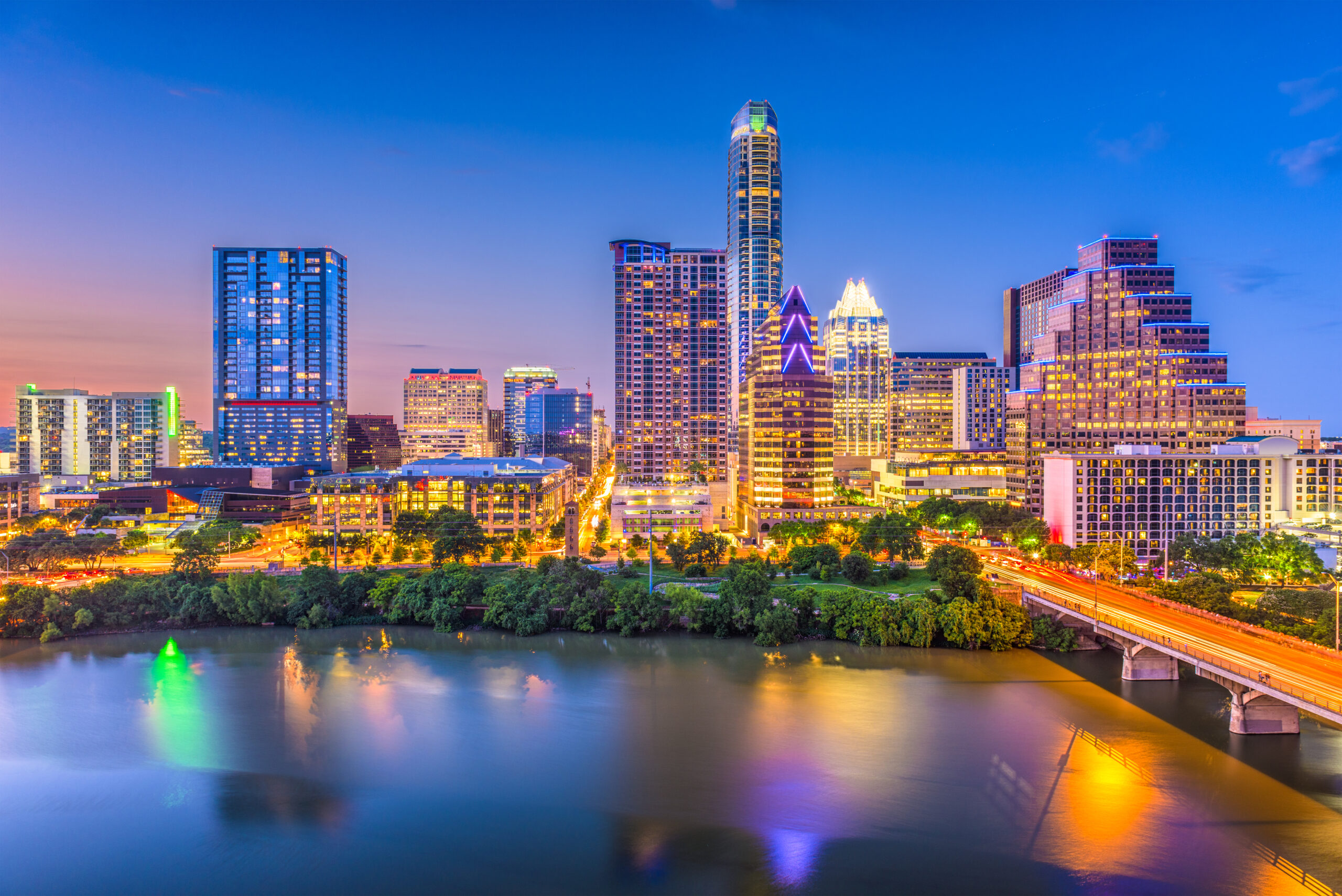
Learn Your History & Stats
College History
Established in 1883 as the flagship of the University of Texas System and recognized as a Public Ivy, the University of Texas at Austin has produced influential leaders across fields, including notable alumni such as Michael Dell (founder of Dell Technologies), Rex Tillerson (former ExxonMobil CEO and U.S. Secretary of State), Laura Bush (former First Lady), Matthew McConaughey (Academy Award-winning actor), and Owen Wilson (actor and filmmaker), alongside pioneers in engineering, science, and public service. The university’s Red McCombs School of Business is advancing with the construction of Mulva Hall, a $425 million, 17-story state-of-the-art facility set to open in 2028, uniting undergraduate programs with graduate and executive education in a vibrant “business neighborhood” on campus to enhance collaboration, innovation, and rankings. The nationally renowned School of Law, consistently ranked among the top 16 in the U.S. with cutting-edge programs in trial advocacy, law and business, and AI innovation, boasts exceptional job prospects, return on investment, and a supportive community in Austin. UT Austin excels in leading academic rankings, including No. 7 among public universities nationally (U.S. News & World Report 2025-26), top 50 globally (Times Higher Education 2025), and strong positions in QS World University Rankings, underscoring its R1 research status, global influence, and commitment to excellence in technology, health, and sustainability.
Student Population and Housing Market Insights
Exceeding 55,000 students in fall 2025 (approximately 44,000 undergraduates and 11,000 graduates), the University of Texas at Austin attracts a diverse population with Texas residents comprising about 80%, out-of-state students 10%, and international students over 9%. On-campus housing serves around 18% of students (over 7,100 in residence halls), while the majority—approximately 82%—live off-campus in apartments, cooperatives, Greek housing, or other private options near campus. This sustained demand fuels a strong rental market in key areas like West Campus (ZIP 78705) and Hyde Park/North Loop (ZIP 78751). Over the past 15 years, home values in these ZIP codes have experienced substantial appreciation driven by Austin’s economic boom and UT’s growth, delivering excellent long-term returns for property owners according to Zillow and CoreLogic data trends. Many investors using platforms like collegehomes.com find multiple avenues for creating investment opportunities due to the large amount of renters within the University of Texas markets, benefiting from reliable student-driven demand. Additionally, Texas residents enjoy significant in-state tuition advantages, often saving well over $100,000 across four years compared to out-of-state rates, making UT Austin an attractive and affordable choice for families establishing roots in the state.
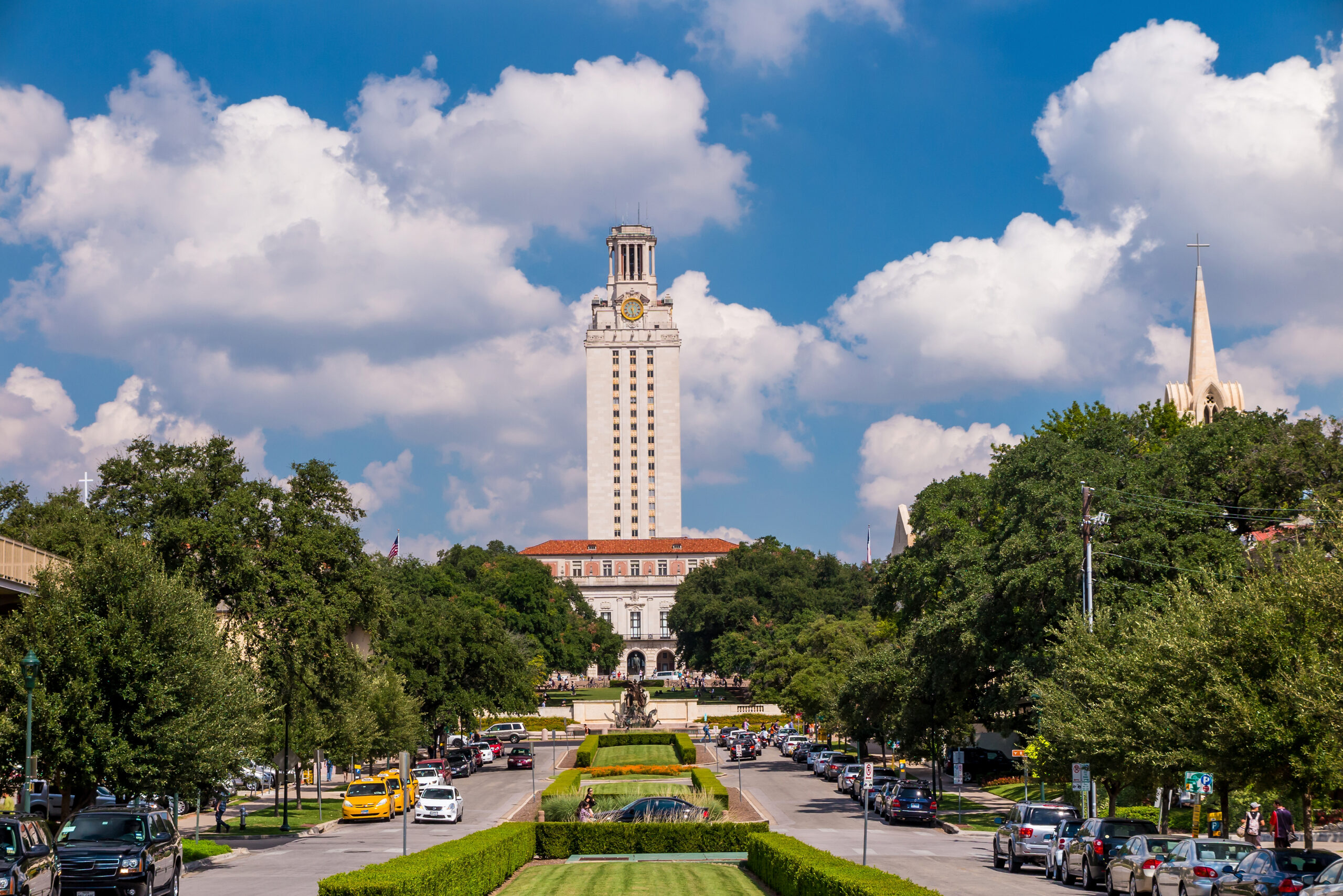
Off-Campus Living and Nightlife
Students at UT Austin flock to dynamic off-campus neighborhoods like West Campus (ZIP 78705), Hyde Park (78751), and North Loop (78756), all within a quick 1- to 2-mile walk, bike ride, or shuttle from campus. These areas offer a mix of affordability, vibrant community vibes, and unbeatable convenience, appealing to undergrads, grads, and young professionals alike. West Campus buzzes as the epicenter for modern student living, packed with high-rises featuring amenities like rooftop pools, fitness centers, and study lounges—perfect for balancing academics and social life while driving strong rental demand. Popular complexes include Orange Tree Condos, known for their garden-style layouts, swimming pools, garage parking, and proximity to Pease Park; Centennial Condominiums, a gated community with reserved parking, elevators, and balconies in select units; The Galileo at 25th, offering luxurious finishes, controlled-access garages, and stunning views; and Piazza Navona, a modern mid-rise with private parking garages, atriums, and eco-friendly features like single-stream recycling.
Hyde Park enchants with its historic charm—tree-lined streets, restored bungalows, and a quieter, walkable atmosphere filled with indie cafes, parks, and local shops, ideal for those craving a cozy residential feel just north of campus. North Loop draws the creative crowd with mid-century homes, vibrant murals, vintage boutiques, and an eclectic artsy energy, only a short drive or bus ride away. These neighborhoods not only provide easy access to UT shuttles and “The Drag” on Guadalupe Street but also foster a sense of independence with nearby groceries, delis, and green spaces, making off-campus life a seamless extension of the Longhorn experience.
Austin Rental Market
The rental market within 1.5 miles of UT Austin, particularly in zip codes 78705 (West Campus), 78712 (UT campus), and 78701 (Downtown), caters heavily to the university’s 50,000+ students. Average rents in these areas are competitive due to high demand for student housing, with modern apartments and shared houses dominating West Campus. As of 2025, the average rent in these zip codes is approximately $1,800–$2,200/month, higher than the citywide average of $1,700. Below are rental stats for student-centric properties:
- Average Rent per Bedroom: $900–$1,200, with West Campus units often exceeding $1,500 for luxury apartments near campus.
- Studio Apartments: $1,400–$1,800/month, with budget options in North University (~$1,250) and premium units in Downtown (~$2,000).
- 1-Bedroom Apartments: $1,600–$2,000/month, averaging $1,750 in 78705. Affordable options in Riverside (78741) start at $1,300.
- 2-Bedroom Apartments: $2,000–$2,500/month, with West Campus averages at $2,200. Shared rentals reduce costs (e.g., $1,100/person).
- 3-Bedroom Apartments/Houses: $2,700–$3,500/month, ideal for student groups. North Loop (78751) offers deals around $2,400.
Smart housing options, like roommate shares or pre-leased units via apartment locators, help students manage costs. High demand during fall semesters drives early leasing in West Campus, while short-term rentals thrive during ACL and SXSW. Data sources: Zillow, RentCafe, Apartments.com.
Nightlife in Austin
Austin’s nightlife pulses with unmatched energy, recently ranked the top in the U.S. by Time Out surveys for its diverse after-dark adventures blending live music, comedy, and bar-hopping. Downtown’s iconic districts cater to every vibe, with walkability from campus enhancing appeal—especially during massive events like SXSW in March and Austin City Limits (ACL) in October, when short-term rentals surge with festival crowds.
Downtown Austin (78701) remains legendary for its live music heritage, featuring historic spots like The Driskill Hotel’s elegant bar and Maggie Mae’s rooftop stages spilling indie rock, blues, and country onto the streets. Rainey Street’s converted bungalow bars create a laid-back, house-party vibe with craft cocktails and patios, while South Congress (78704) mixes trendy lounges with vintage neon signs for eclectic nights out.
Newer Twists on Austin’s Nightlife Scene
Austin’s nightlife continues to evolve with bold infusions of comedy, upscale venues, and hybrid spaces, rooted in live music but embracing modern entertainment for diverse crowds—from energetic college scenes to sophisticated 30-something gatherings.
Comedy Mothership: Joe Rogan’s iconic club in the historic Ritz Theater on East 6th Street has become a cornerstone since opening, featuring multiple intimate rooms for uncensored stand-up with headliners like Shane Gillis, open mics, and surprise drops—drawing massive crowds and elevating East 6th as a creative hub with rowdy post-show energy.
Dirty 6th Street: The chaotic core (from Congress to I-35) thrives on dive-bar chaos, pedestrian-friendly weekend closures, and spots like The Jackalope for arcade games and cheap shots or Chupacabra for Tex-Mex pre-gaming—enhanced safety measures like better lighting make it a staple for unfiltered fun, especially during Halloween spectacles.
West Sixth Street: This polished counterpart attracts a 25+ crowd with rooftop patios, craft cocktails, and DJ vibes at venues like The Roosevelt Room or newer gems offering bottle service and themed nights—merging Austin’s relaxed spirit with upscale flair for sunset-to-dawn adventures.
Old Favorites Holding Strong: ACL Live at the Moody Theater delivers intimate concerts with major acts in its 2,750-seat space, paired with nearby barbecue at Stubb’s. The Hole in the Wall, a gritty 1974 punk/indie institution on East 6th, hosts affordable shows and cheap drinks in its legendary sticky-floored charm.
North Campus Gem: Crown & Anchor: This British pub in North Loop offers a relaxed escape with expanded outdoor fire pits, beer gardens, trivia, and soccer parties—serving hearty pub grub and craft brews alongside occasional live sets.
East 6th’s “hipster haven” rise with artsy dives and natural wine bars attracts nightlife seekers from busier spots, showcasing Austin’s resilient post-pandemic vibrancy.
Fueling Up: Great Eateries, Coffee Houses, and Breakfast Spots
Austin’s food scene shines near UT, with late-night bites, study-friendly coffee, and recovery brunches—many spots doubling as hangouts with generous portions and student-friendly prices.
Eateries for Late-Night or Anytime Cravings:
- Torchy’s Tacos (multiple locations, including West Campus): Beloved for inventive tacos like the Trailer Park (fried chicken with green chiles)—perfect late-night fuel.
- Dirty Martin’s Place (North Loop): Retro burgers and boozy milkshakes for classic greasy-spoon satisfaction.
- Banger’s Sausage House (Rainey Street area): Over 200 beers with wild-game sausages and epic Sunday brunches.
Coffee Houses for Study Sessions or Buzz:
- Caffe Medici (Guadalupe St., campus-adjacent): Spacious with expert pour-overs, lattes, and local pastries—ideal for all-nighters.
- Houndstooth Coffee (multiple spots): Bold brews and seasonal drinks in sleek spaces.
- Merit Coffee (various locations): House-roasted beans with cozy vibes and avocado toast.
- Cenote (East 7th): Patio perfection for mochas, breakfast sandwiches, and artsy energy near Comedy Mothership.
Breakfast Spots to Start (or Recover) the Day:
- Phoebe’s Diner (multiple locations): Retro Southern classics like chicken-fried steak and “anytime” options.
- Bird Bird Biscuit (South Congress and beyond): Flaky biscuits with fried chicken and creative toppings—worth the lines.
- Josephine House (Clarksville, near West Campus): Cozy cottage with ricotta pancakes and bottomless coffee.
- Paperboy East (East Austin): Garden-fresh hashes, toasts, and coffee cocktails in an unpretentious setting.
- Sawyer & Co. (North Loop): Hearty omelets and migas in a sunny, family-friendly diner near Crown & Anchor.
From West Campus condo hunts to Rainey Street crawls, Austin’s off-campus world keeps the energy alive—live music nights flowing into strong coffee mornings. Embrace the “Keep Austin Weird” spirit; the hangovers (and adventures) are part of the fun.
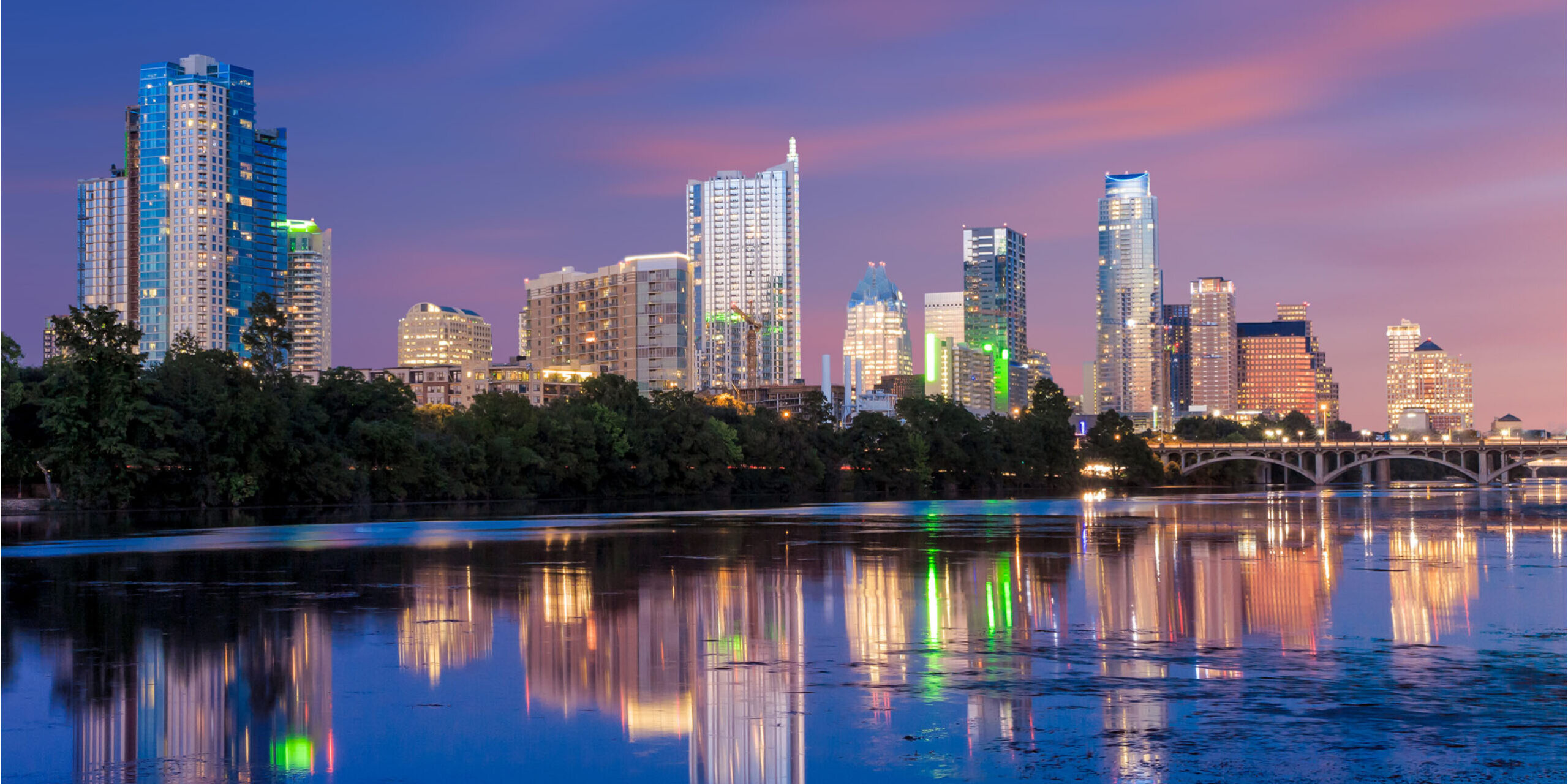
Student Organizations and Activities
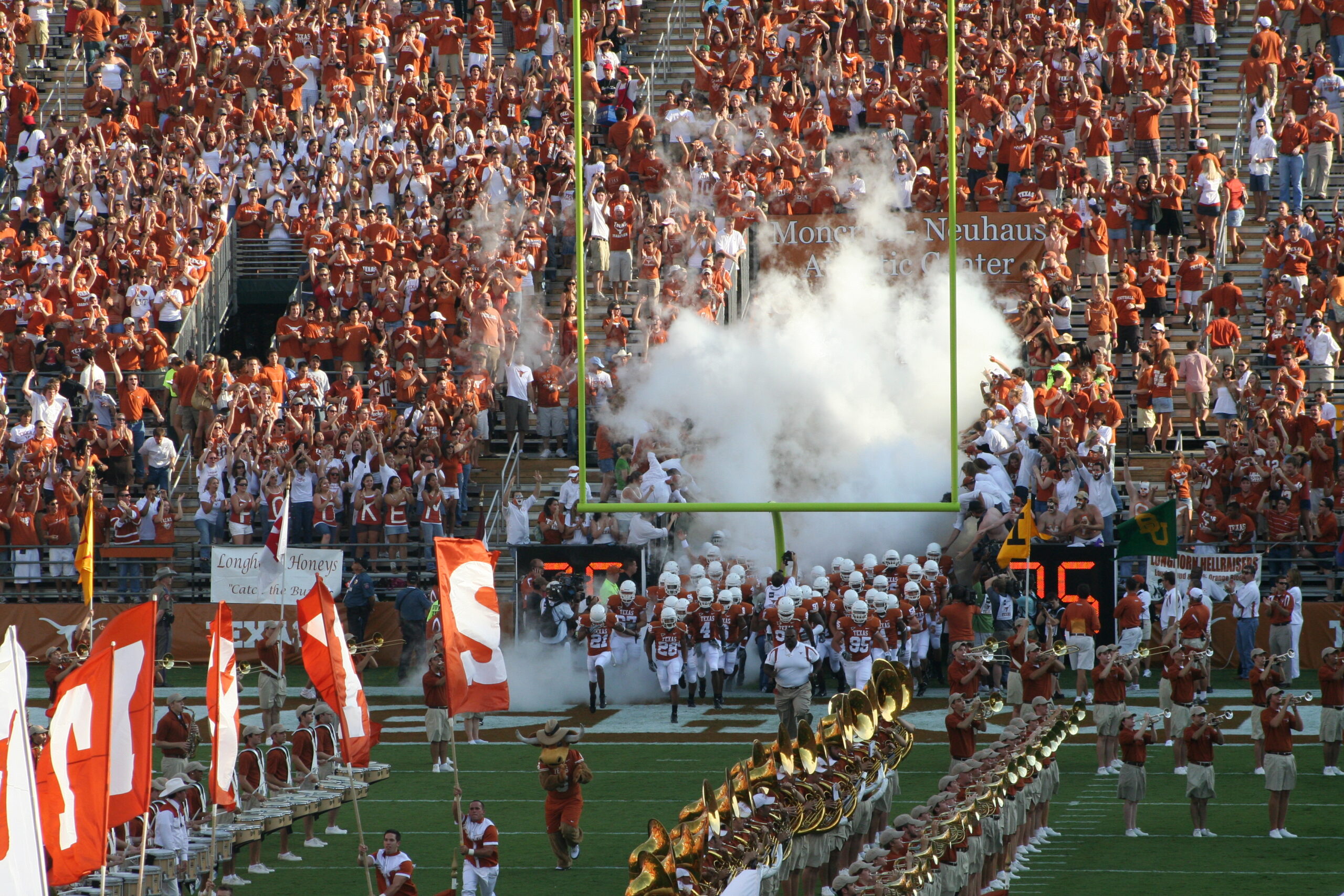
UT Austin boasts over 1,000 student organizations, forming the vibrant core of the Longhorn Network where academics, traditions, and personal growth intersect. From spirited tailgates under the illuminated Tower to collaborative late-night sessions at the Perry-Castañeda Library, student life thrives with free resources like the Sanger Learning Center, iconic rituals such as Bevo’s Birthday celebrations and Burnt Orange Fridays, and a welcoming culture embracing sustainability, intellectual discourse, and community service.
Sports and Recreational Clubs
Physical activity is seamlessly integrated into campus life through RecSports, attracting thousands of participants each semester in intramural leagues and beyond. Whether spiking in Gregory Gym, competing in dodgeball tournaments, or tossing bags in casual cornhole doubles, options cater to every skill level—no experience required. Campus favorites include flag football, 7v7 soccer, sand volleyball, indoor volleyball (6-on-6 with coed rules), ultimate frisbee, inner tube water polo, kickball, and racquetball. Teams form easily via dorms, Greek houses, friend groups, or as free agents, with registration through IMLeagues and play free for current students. The historic Intramural Wall of Fame in Gregory Gym showcases champions dating back to 1919, highlighting the program’s enduring legacy.
For more competitive pursuits, over 40 sport clubs offer higher-level participation, including unique options like archery, badminton, Brazilian jiu-jitsu, rock climbing, wushu (Chinese martial arts), and racquetball. These student-led clubs compete regionally and nationally, fostering leadership while providing adventure trips, climbing wall access, and outdoor excursions—perfect for balancing rigorous classes with fun, friendship-building recreation under the lights at Clark Field or Whitaker Sports Complex.
Faith and Identity Communities
Spirituality and cultural identity flourish in inclusive spaces tailored to diverse beliefs and backgrounds. Young Life (Texas Young Life – TX63) engages students through relational ministry, featuring weekly gatherings with music, talks, small groups, and service opportunities mentoring East Austin high schoolers. Longhorn Christian Union, Texas Cru (weekly large-group worship and Bible studies), Texas Hillel (Jewish cultural and religious events), and the Muslim Students Association provide worship, peer support, and community amid UT’s fast-paced environment.
Off-campus connections amplify options: College Ministry at The Austin Stone offers co-ed, guys’, and girls’ small groups meeting in apartments and dorms, plus events like worship nights, retreats, and missions; while Ridge College at Austin Ridge Bible Church hosts monthly College Nights near campus, weekly small groups, and service projects for ages 18-23. Groups like Christian Students on Campus (CSOC), Revive Austin (student-led worship), Longhorns for Christ, and the University Catholic Center (with subgroups like Navegantes for Spanish-speaking students) create reflective sanctuaries, blending faith exploration with social bonds and outreach.
Political and Ideological Engagement
Passionate about ideas and civic impact? UT’s political scene offers platforms across the spectrum for debate, activism, and leadership. Turning Point USA (TPUSA) champions conservative values through speaker events, policy discussions, and West Mall tabling, often igniting campus-wide conversations on free speech and limited government. Counterparts include University Democrats (voter drives, advocacy, and socials building a progressive community) and College Republicans, providing spaces for civic engagement and policy work.
Broader coalitions like the Civic Engagement Alliance unite diverse organizations for non-partisan voter education, volunteering, and advocacy. Intellectual pursuits complement this with the powerhouse UT Debate Team (national competitors in policy, Lincoln-Douglas, and public forum, open practices with scholarships) alongside Model UN, Texas Speech & Debate, and the Philosophy Club. These groups sharpen critical thinking, preparing future leaders while fostering spirited, respectful discourse in a dynamic capital city setting.
From serving with Young Life, debating late into the night, or dominating an intramural ultimate frisbee matchup, UT student life is actively built—one club meeting, one game, one meaningful conversation at a time. Discover your fit via HornsLink (utdirect.utexas.edu), org fairs like Party on the Plaza, or @utconnect on Instagram. Hook ‘em.
Benefits of Investing in Properties Near UT Austin
Investing in real estate near UT Austin offers a compelling combination of educational savings, reliable income, long-term wealth building, and family legacy advantages. In vibrant neighborhoods like West Campus, Hyde Park, and Riverside, properties benefit from consistent demand driven by a large student population, tech growth from companies like Tesla and Oracle, and Austin’s status as a thriving capital city.
Unlocking In-State Tuition Savings
Texas residency laws allow families to qualify for dramatically lower in-state tuition rates by establishing domicile through property ownership. Out-of-state undergraduate tuition at UT Austin typically runs significantly higher than in-state rates, creating substantial annual savings. Purchase a condo or home in prime areas like West Campus or Hyde Park, have your student reside there (often with roommates), and support residency with documents like property deeds, Texas driver’s licenses, and voter registration. After 12 consecutive months, approval is straightforward, locking in reduced rates from sophomore year onward and delivering massive educational cost reductions over a degree program.
Generating Strong Rental Cash Flow
The perpetual demand from UT’s large student population ensures properties near campus rarely sit vacant. Modern condos or small homes lease quickly at competitive per-bedroom rates, with rents often covering or exceeding monthly costs. With thoughtful financing and roommate setups, gross income frequently offsets principal, interest, taxes, insurance, and HOA fees—yielding break-even or positive monthly cash flow from day one. Annual rent increases tied to market trends further enhance returns, turning the investment into a self-sustaining asset while your student enjoys on-site living.
Building Equity Through Appreciation and Paydown
Austin’s core neighborhoods around UT have historically provided steady, reliable property value growth fueled by limited supply and ongoing influx of students, professionals, and families. Combined with regular principal reduction from mortgage payments (largely covered by tenants), equity accumulates predictably over time. This dual engine of appreciation and debt paydown creates substantial net worth growth in stable, high-demand zones—offering a low-volatility path to wealth compared to more speculative markets.
Creating a Family Launchpad
Upon graduation, the matured property serves as a powerful springboard. Options include selling for potential gains to fund a down payment on a larger home in growing areas like Crestview or East Austin, or refinancing to extract tax-free equity while retaining the rental for ongoing income. This strategy equips your graduate with significant financial momentum—far beyond starting from scratch—turning college housing into a foundational step toward independent homeownership.
Imparting Lifelong Financial Lessons
Ownership involves hands-on experiences that build essential skills far beyond academics. Students learn practical aspects like roommate coordination, maintenance oversight, lease management, and basic financial concepts through real-world application. These experiences demystify investing, foster responsibility, and instill confidence in wealth-building principles that compound over a lifetime—transforming a property purchase into an invaluable education in financial independence.
In a market bolstered by Austin’s innovation hubs and structural student demand, near-campus investments stand out for their resilience and multi-layered returns. From slashing tuition burdens to forging family wealth, one strategic acquisition near the iconic UT Tower can reshape educational and financial futures.
In-State Tuition Savings Over Time
| Duration | In-State Tuition | Out-of-State Tuition | Savings |
|---|---|---|---|
| 1 Year | $11,688 | $44,908 | $33,220 |
| 2 Years | $23,376 | $89,816 | $66,440 |
| 3 Years | $35,064 | $134,724 | $99,660 |
| 4 Years | $46,752 | $179,632 | $132,880 |
Top Academic Programs
UT Austin offers over 170 undergraduate and 200 graduate programs across 18 colleges, excelling in technology, business, and sciences. The $680 million research budget supports initiatives like the Energy Institute and Dell Medical School. Top undergraduate programs include:
Business Administration
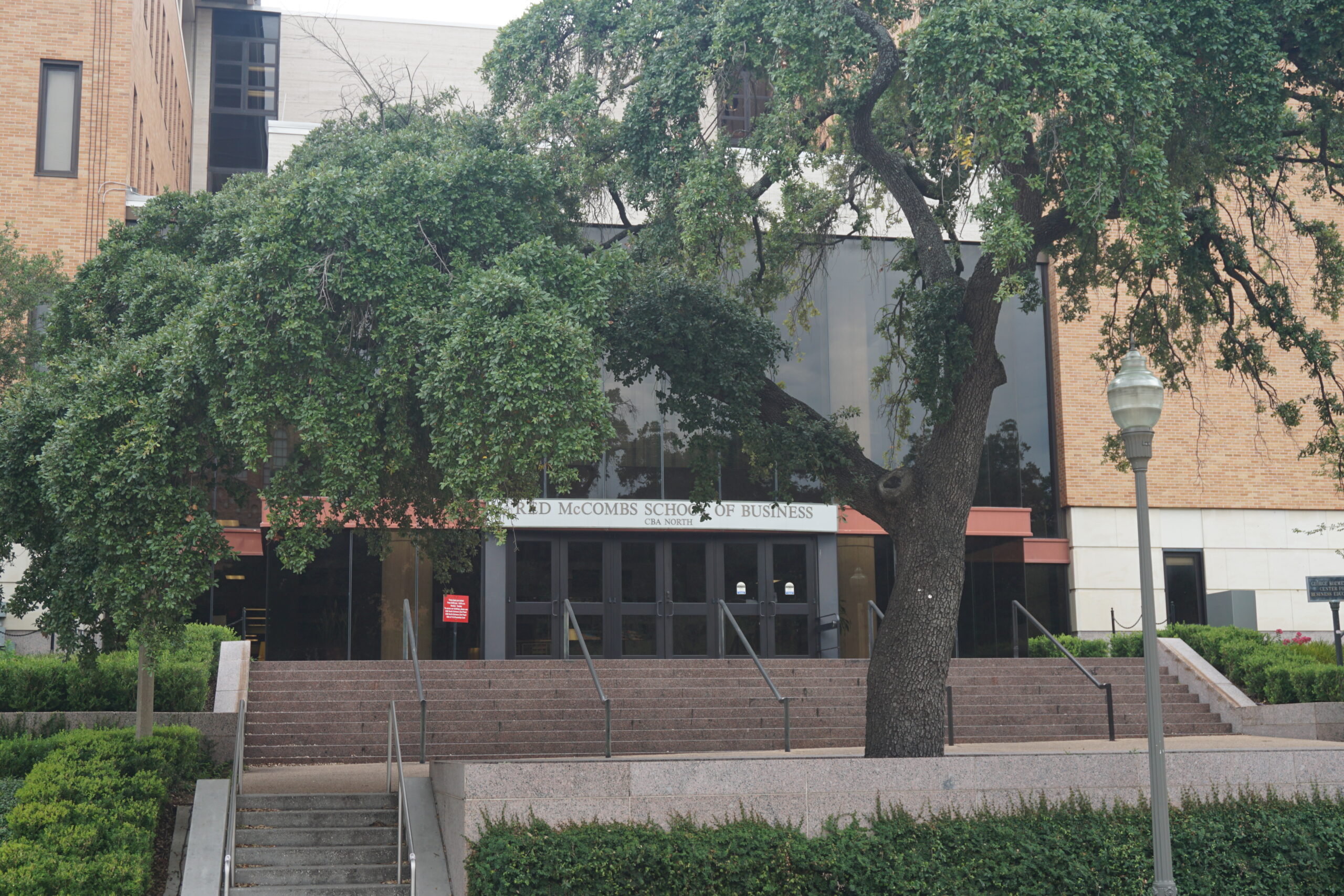
The McCombs School of Business at The University of Texas at Austin stands as a premier institution, consistently earning top-tier national recognition for its rigorous programs and innovative approach. While overall undergraduate rankings hover around #18 by U.S. News & World Report, McCombs excels in specialized areas, securing #5 spots in both Finance and Entrepreneurship—fields where it outshines even elite peers like Wharton and Stanford in targeted metrics.
Founded in 1922 and named after benefactor Robert B. McCombs, the school enrolls over 6,000 undergraduates and 1,500 MBAs in a vibrant Austin ecosystem fueled by tech giants like Dell and a booming startup scene. Its finance curriculum, housed in the award-winning Rowling Hall, emphasizes quantitative analysis, investment banking, and real-world trading simulations, boasting 98% placement rates with median salaries exceeding $150,000. Entrepreneurship thrives via the Herb Kelleher Center, offering accelerator programs, pitch competitions, and seed funding that have launched unicorns like Everlywell.
McCombs fosters a collaborative culture with global study abroad options, cutting-edge research in AI-driven business models, and strong alumni networks in consulting and venture capital. Beyond rankings, it’s a launchpad for ethical leaders shaping tomorrow’s economy—kind, ambitious, and impact-driven.
Engineering
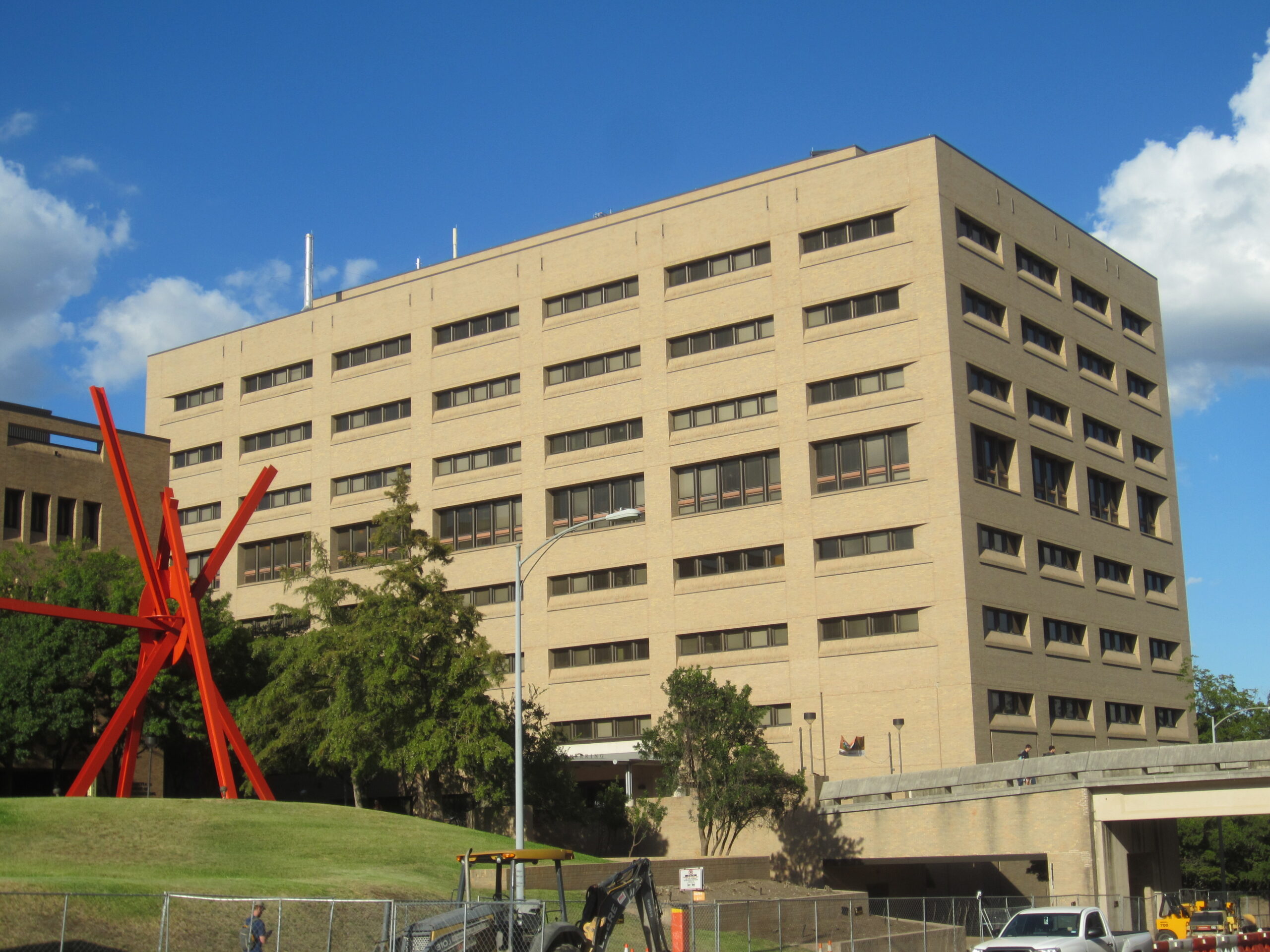
The Cockrell School of Engineering at The University of Texas at Austin is a powerhouse in technical innovation, ranking #11 overall in undergraduate engineering programs by U.S. News & World Report’s 2025-2026 edition—#6 among publics and #1 in Texas—while its graduate programs tie for #7 nationally. It truly leads in specialized fields, with Petroleum Engineering at #2 (undergrad) and #1 (grad), and Aerospace Engineering at #8 undergrad and #9 grad, outpacing many rivals through cutting-edge research and industry ties.
Established in 1905 and renamed in 2007 after alumnus Ernest Cockrell Jr.’s $140 million endowment, the school serves over 8,500 students across 11 undergrad majors and 13 graduate programs, backed by $372 million in annual research funding. Aerospace students at the Walker Department dive into hypersonics, space systems, and autonomy via labs like the Texas Spacecraft Laboratory, which builds CubeSats for NASA missions, yielding 95% placement in roles at Boeing and SpaceX with starting salaries around $85,000. Petroleum Engineering, in the Hildebrand Department, focuses on sustainable extraction, carbon capture, and reservoir simulation amid Texas’ energy hub, boasting alumni like ExxonMobil’s Rex Tillerson and near-100% job offers exceeding $100,000.
Housed in state-of-the-art facilities like the Engineering Education and Research Center, Cockrell emphasizes hands-on projects, global exchanges, and ethics in AI and renewables. With 70,000 alumni, it’s forging resilient engineers for a dynamic world—bold, collaborative, and future-proof.
Computer Science
The Department of Computer Science at The University of Texas at Austin is a global leader in innovation, ranking #9 nationally for undergraduate programs in the 2026 U.S. News & World Report Best Colleges, with Artificial Intelligence at #7 and Computer Science Theory at #9—topping Texas publics and fueling Austin’s tech boom. Graduate programs tie for #7, emphasizing AI, machine learning, and cybersecurity amid $200 million in annual research funding.
Established in 1967 within the College of Natural Sciences, it now enrolls over 3,000 undergraduates and 500 graduates, drawing talent to its Gates Computer Science Complex for cutting-edge labs like the Texas Robotics initiative and the Machine Learning Lab. AI curricula tackle generative models, ethics, and autonomy, powering projects from autonomous vehicles to climate simulations; cybersecurity tracks cover penetration testing, cryptography, and threat intelligence, with hands-on simulations yielding certifications like CompTIA Security+.
Graduates shine at Microsoft and Meta—alumni like AI researcher Kristen Grauman (now at UT but formerly Meta AI) and countless hires in software engineering and data science boast 92% placement rates, median salaries over $120,000, and roles at Google, Amazon, and beyond. With Turing Award winners on faculty and interdisciplinary ties to ethics and quantum computing, UT CS cultivates versatile pioneers—curious, collaborative, and code-ready for tomorrow’s digital frontier.
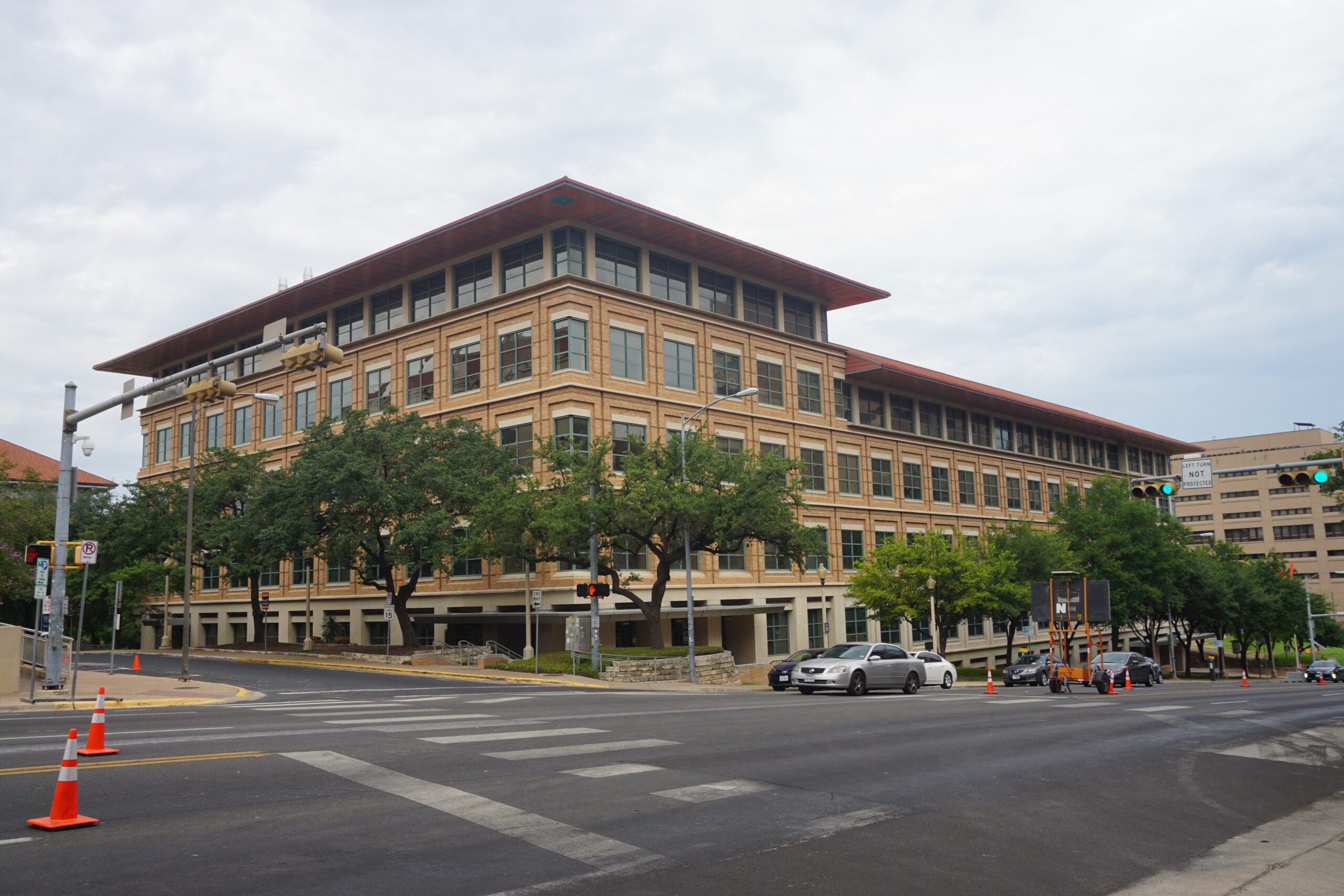
Psychology
The Department of Psychology at The University of Texas at Austin, housed in the College of Liberal Arts, is a beacon for aspiring minds, ranking #38 nationally for undergraduate programs by College Factual’s latest assessment—top 5% in the U.S.—and #33 globally per QS World University Rankings, with its clinical area at #10 by U.S. News. Graduate programs excel at #27 for doctorates, emphasizing clinical science accredited by APA since 1949 and PCSAS since 2019.
Founded in 1926, it serves over 1,500 undergraduates and 100 graduates, blending rigorous coursework in neuroscience, cognition, and social dynamics with hands-on immersion. Strong research labs, like the Self Regulation Lab on emotion and brain function or the Gonzalez-Lima Lab in behavioral neuroscience, offer undergrads via the Psychology Undergraduate Mentoring Program (PUMP) and Summer Undergraduate Research Experience (SURE)—no prior experience needed, targeting underrepresented students for competitive doctoral pipelines.
Faculty, including Turing-level innovators, secure millions in grants for studies on anxiety, autism, and multiculturalism, equipping students with stats, ethics, and practicum skills. Outcomes dazzle: 461 bachelor’s awarded yearly, 92% grad school placement at elites like Harvard and Stanford, and alumni in academia, VA hospitals, and tech firms earning $70,000+ starting. In Austin’s vibrant scene, UT Psychology forges empathetic scientists—resilient, inclusive, and ready to unravel the human puzzle.
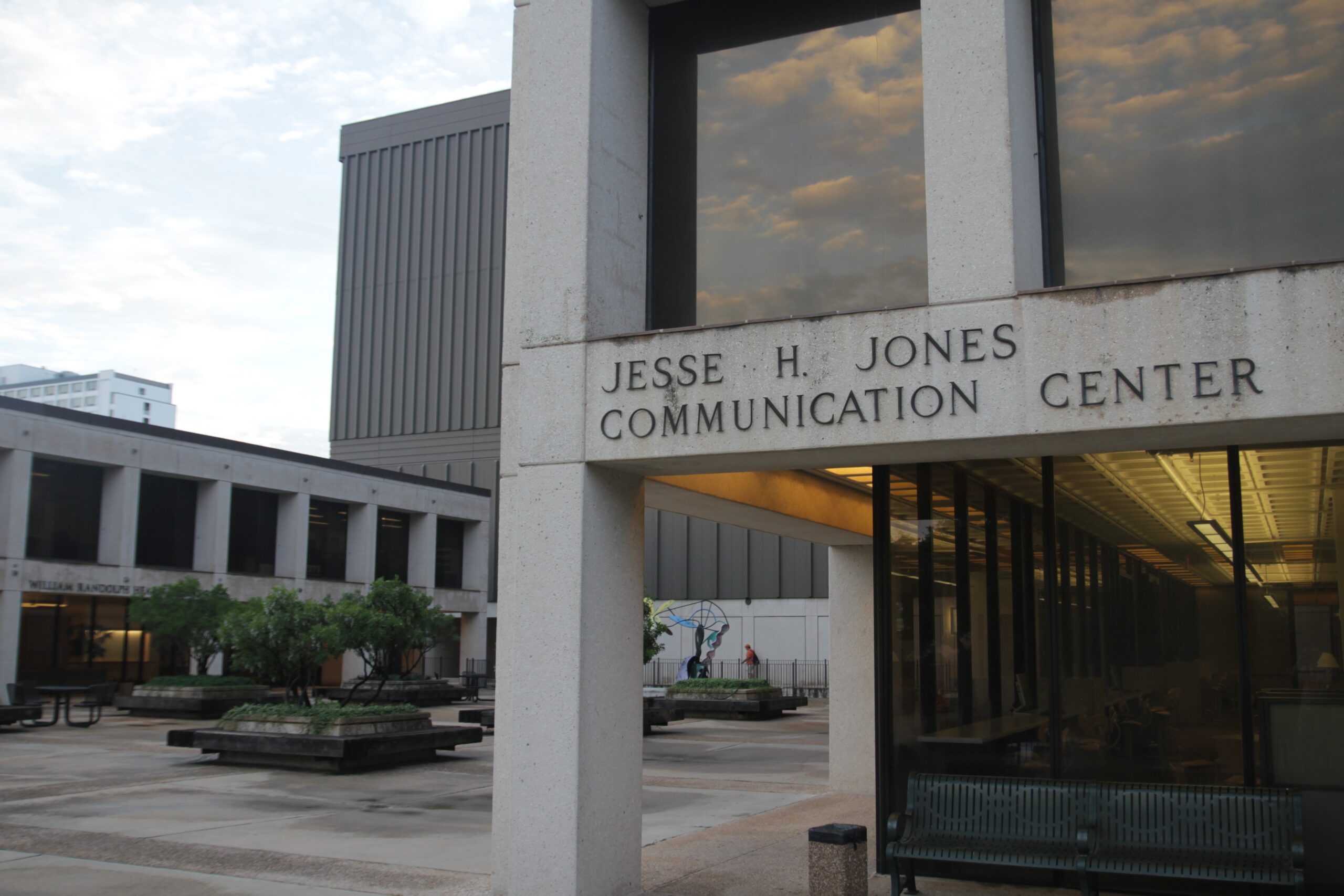
Communication
The Moody College of Communication at The University of Texas at Austin is a trailblazer in media and messaging, ranking #3 worldwide and #1 among U.S. public universities for Communication and Media Studies in the 2025 QS World University Rankings—eclipsing global elites like USC and NYU in academic reputation and employer outcomes. Its Stan Richards School of Advertising claims the nation’s #1 spot, while journalism and radio-television-film programs secure top-10 honors, blending theory with real-world grit in Austin’s creative epicenter.
Tracing roots to 1899’s Department of Public Speaking and formalized in 1979, Moody exploded with a landmark $50 million Moody Foundation endowment in 2013—the largest for public communication studies—now serving 5,000+ undergrads and grads across seven departments. Facilities like the Jesse H. Jones Complex and Dealey Center buzz with NPR affiliates KUT/KUTX, student-run Texas Student Television, and The Daily Texan, the most-awarded college paper.
Journalism majors master investigative reporting via Reporting Texas, landing at The New York Times and CNN; advertising students craft viral campaigns through accelerator labs, fueling hires at Ogilvy and Wieden+Kennedy. With 34 Pulitzers, 42 Emmys, and alumni like Robert Rodriguez, Moody’s 82% graduation rate propels grads to $60,000+ starts. It cultivates bold storytellers—ethical, innovative, and connected—for a media-saturated world.
Notable Alumni of UT Austin
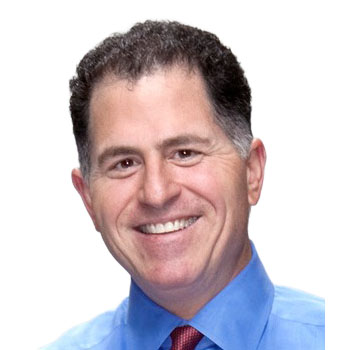
Michael Dell:
Michael Dell, born in Houston in 1965, dropped out of the University of Texas at Austin’s pre-med program in 1984 to launch Dell Computer Corporation from his dorm room with $1,000. What began as a scrappy operation selling custom PCs direct-to-consumer revolutionized the industry, propelling Dell Technologies to global dominance.
His ties to UT Austin endure through the Michael & Susan Dell Foundation, which has invested over $135 million in the university. Key gifts include $88 million to establish Dell Medical School in 2016, $10 million for the Dell Computer Science Hall, and ongoing support for pediatric research and low-income student scholarships via UT for Me—powered by Dell Scholars. In 2019, Dell delivered the commencement keynote, urging grads to “succeed and serve.” Today, these initiatives boost graduation rates and health innovation, embodying his commitment to his alma mater’s future.

Janis Joplin:
Janis Joplin, born in Port Arthur in 1943, fled Texas conformity for the University of Texas at Austin in 1960, seeking artistic freedom amid the campus folk scene. She sang at Threadgill’s and the Union, honing the raw, blues-soaked wail that later defined rock. Dropping out in 1963, she hitchhiked to San Francisco, exploding with Big Brother and the Holding Company; *Cheap Thrills* (1968) and Woodstock cemented her as the genre’s electric queen until her 1970 death at 27.
Her UT legacy endures via the Janis Joplin Memorial at the Texas Union and the Perry-Castañeda Library’s archival collection of letters, photos, and lyrics. The College of Fine Arts hosts annual tributes, while the Janis Joplin Scholarship supports women in music. In 2023, a campus mural celebrated her trailblazing spirit. These honors keep her rebel voice alive, inspiring Longhorns to “get it while you can.”
(598 characters)
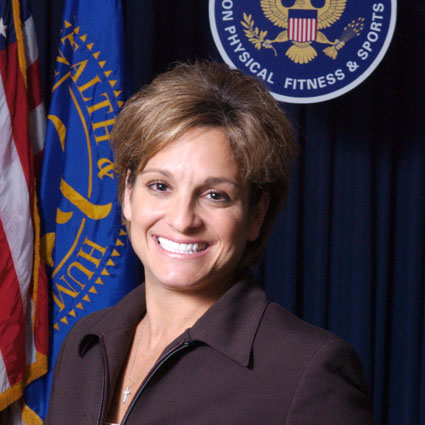
Mary Lou Retton:
Mary Lou Retton, born in Fairmont, West Virginia in 1968, vaulted into history at the 1984 Los Angeles Olympics, becoming the first American woman to win gymnastics all-around gold—plus two silvers, two bronzes, and a perfect 10—at just 16. Retiring undefeated, she enrolled at the University of Texas at Austin in 1986, majoring in communications while cheering for the Longhorns. She met future husband, UT quarterback Shannon Kelley, on campus, marrying in 1990 and raising four daughters, all Texas-born.
Her UT bond endures through the Mary Lou Retton Endowed Scholarship for women gymnasts and annual campus appearances. In 2018, she returned for the 1984 team reunion at Darrell K Royal-Texas Memorial Stadium. The Frank Erwin Center—where she trained—honors her legacy with a display case of medals and leotards. As a Houston resident and frequent speaker at UT women’s events, Retton inspires Longhorns to “go for gold” in sport and life.
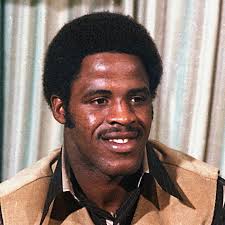
Earl Campbell:
Earl Campbell, born in Tyler in 1955, arrived at the University of Texas at Austin in 1974 as a bruising fullback from John Tyler High. From 1974-1977, he bulldozed for 4,443 yards and 41 TDs, winning the 1977 Heisman Trophy and leading UT to an undefeated regular season. His iconic #20 jersey powered the Longhorns to Cotton Bowl glory and NFL stardom with the Oilers, earning 1978 MVP honors.
Campbell’s UT ties remain unbreakable. The Earl Campbell Tyler Rose Award, launched in 2012, annually honors the nation’s top player with Texas roots at the namesake museum on campus. In 2023, UT unveiled a life-size statue of him outside Darrell K Royal-Texas Memorial Stadium alongside his Heisman. He funds scholarships via the Earl Campbell Endowed Fund, mentors players, and roars “Hook ’em” at every home game. His legacy fuels Longhorn grit and East Texas pride.
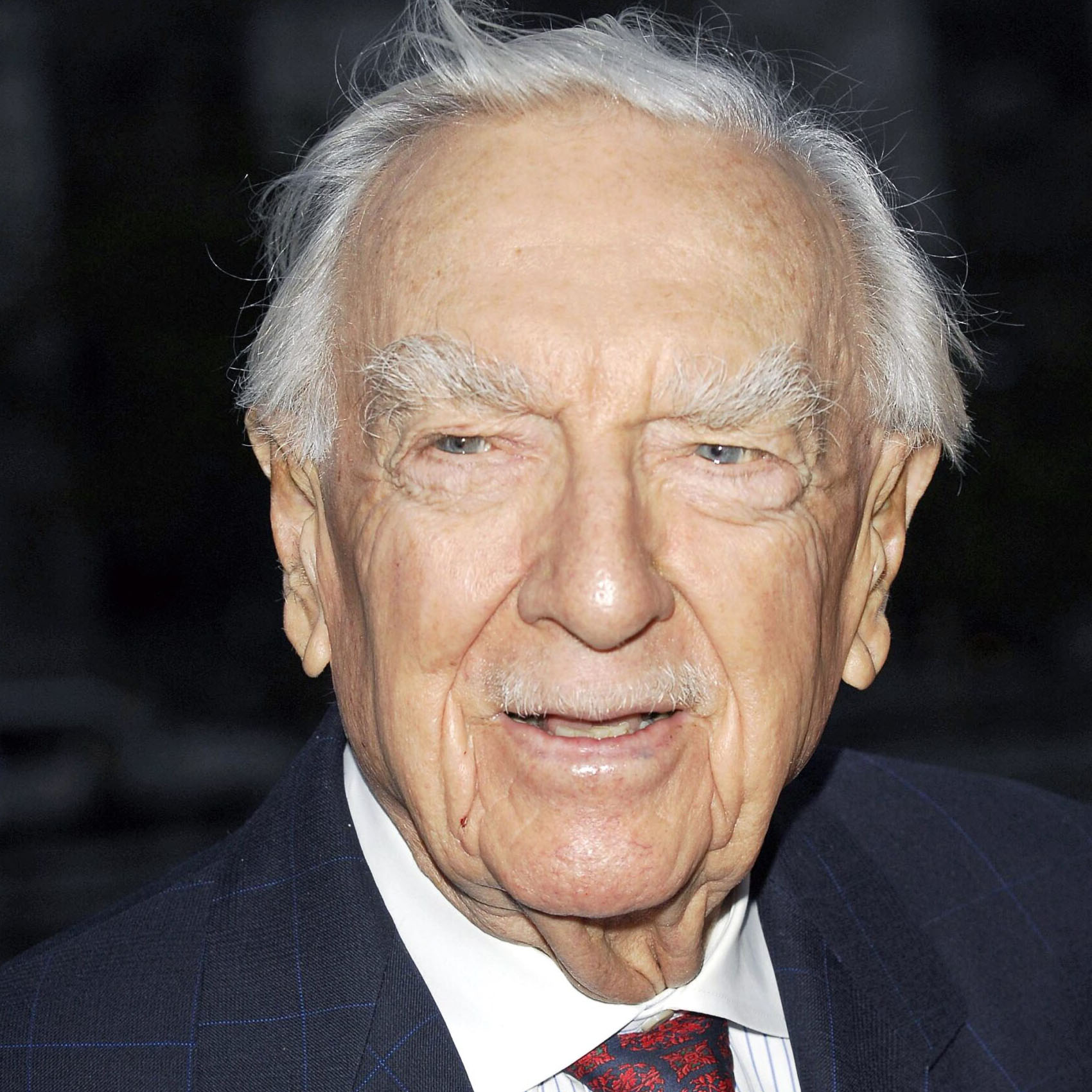
Walter Cronkite:
Walter Cronkite, born in St. Joseph, Missouri in 1916, enrolled at the University of Texas at Austin in 1933, majoring in journalism and pledging Delta Tau Delta. He honed his craft at The Daily Texan, reported for the Texas Longhorn Radio Network, and interned at the Houston Press before dropping out in 1935 for wartime broadcasting. As CBS anchor (1962–81), “the most trusted man in America” guided the nation through JFK’s assassination, Apollo 11, and Vietnam, signing off nightly with “And that’s the way it is.”
His UT legacy endures via the Walter Cronkite Plaza at the Moody College of Communication, dedicated in 1985 with his bronze bust. The Cronkite Endowment funds scholarships and the annual Cronkite Award for journalism excellence. In 2024, UT digitized his archives—letters, scripts, moon-landing notes—at the Dolph Briscoe Center. Cronkite’s “truth above all” ethos still shapes Longhorn journalists.
(598 characters)
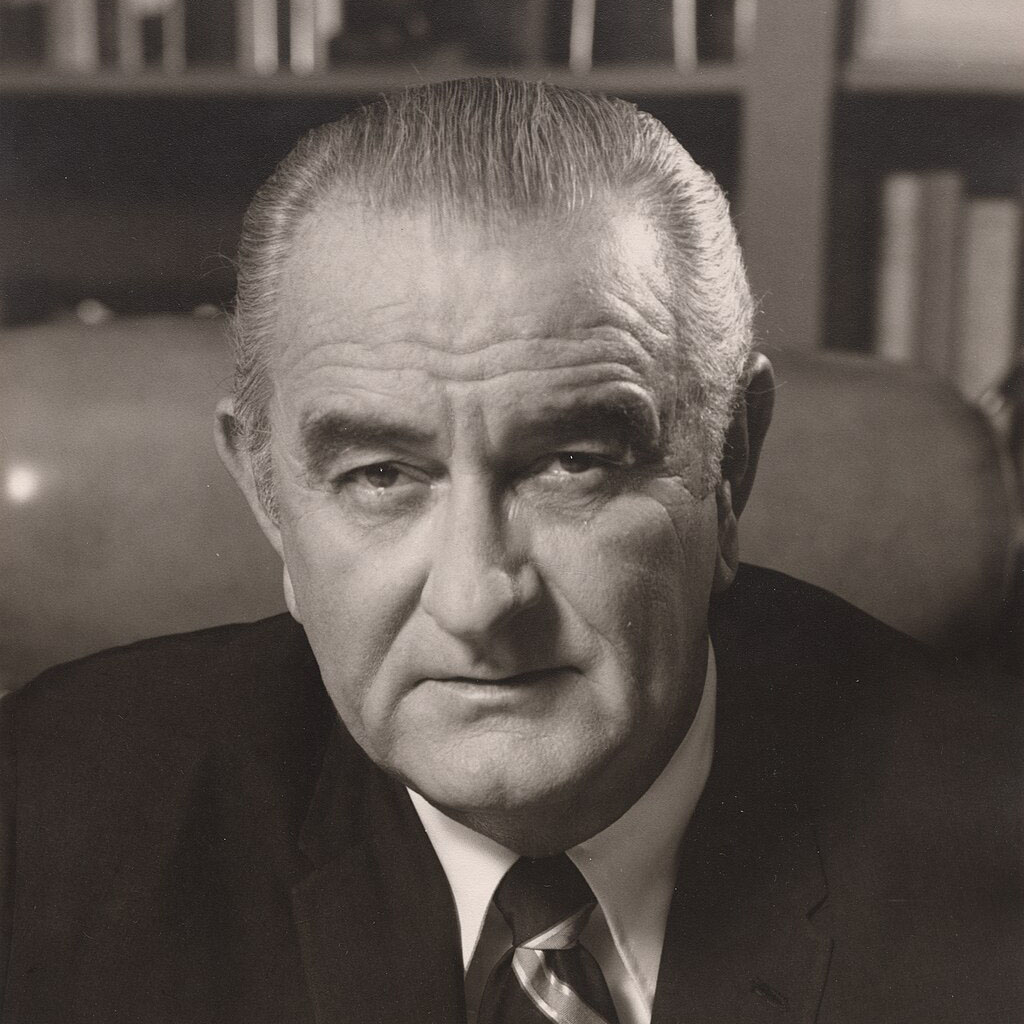
Lyndon B. Johnson:
Lyndon B. Johnson, born near Stonewall in 1908, arrived at Southwest Texas State Teachers College (now Texas State) in 1927, broke but driven. He edited the college paper, debated fiercely, and graduated in 1930 with a teaching certificate. After law studies at Georgetown, he returned to Texas politics, launching a career that took him from Congress to the White House.
His ties endure through the LBJ Presidential Library on UT Austin’s campus (dedicated 1971), housing 45 million documents and his Oval Office replica. The LBJ School of Public Affairs, founded 1970, trains future leaders with his endowed scholarships. In 2024, UT hosted the LBJ Centennial Symposium on civil rights. Johnson’s ranch, boyhood home, and gravesite—now National Park sites—draw Longhorns yearly. His “Great Society” vision still fuels Texas policy and service.
(598 characters)

Farrah Fawcett:
Farrah Fawcett, born in Corpus Christi in 1947, arrived at the University of Texas at Austin in 1965 as a microbiology major and Delta Delta Delta sorority pledge. A campus beauty queen, she dazzled in Greek life and art classes under sculptor Charles Umlauf, her muse during late-’60s dorm days at the Pearl Street Co-op. She lived at 1802 West Avenue, a historic Victorian house still standing today as a private residence near campus—evoking her golden-girl era. Leaving in 1968 for Hollywood, her iconic red swimsuit poster sold 12 million copies, *Charlie’s Angels* made her a sensation, and roles in *Logan’s Run* and *The Burning Bed* showcased her range until her 2009 passing.
UT honors her through the Blanton Museum of Art, housing her 300-piece collection including an Andy Warhol portrait (one of two from 1980; the other settled in a 2014 legal battle with Ryan O’Neal). The Umlauf Sculpture Garden displays her sculptures, while Tri Delta hosts tributes and the Farrah Fawcett Foundation supports cancer research. Annual exhibits and scholarships keep her artistic spark alive, inspiring Longhorns to embrace bold beauty and creativity.
(598 characters)

Coming soon:
Will yours be the next? Find out how we can make that a possibility by helping your child build their legacy without breaking your bank, possibly even making you money.

Ben Crenshaw
Ben Crenshaw, born in Austin in 1952, grew up swinging clubs at Austin Country Club before enrolling at the University of Texas in 1970. Coached by Harvey Penick, “Gentle Ben” won three NCAA titles (1971–73), led UT to the 1971–72 national championships, and turned pro in 1973. His silky putting powered 19 PGA Tour wins, including Masters victories in 1984 and 1995—the latter days after burying Penick.
His Longhorn bond endures through the Crenshaw Endowed Golf Scholarship, annual Penick Lectures, and the Ben Crenshaw Practice Facility at UT Golf Club. In 2023, he designed the course’s restored 9-hole layout. The Moody College displays his green jackets; Crenshaw returns yearly to mentor players and whisper “Hook ’em” on the range. His grace keeps Texas golf golden.
(598 characters)
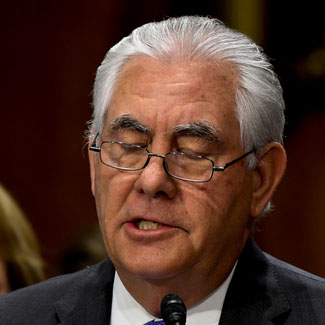
Rex Tillerson:
Rex Tillerson, born in Wichita Falls in 1952, marched into the University of Texas at Austin in 1971 on a Longhorn Band scholarship, pounding kettle drums in the percussion section while earning a B.S. in civil engineering from the Cockrell School in 1975. An Eagle Scout from humble roots, he joined Exxon as a production engineer, rising to CEO of ExxonMobil in 2006—helming a $500B behemoth—before serving as U.S. Secretary of State (2017–18) under Trump.
His UT ties thrive through the Chancellor’s Council, Engineering Advisory Board, and 2006 Distinguished Engineering Alumnus honor. In 2025, he donated $16M: $6M for Longhorn Band scholarships, $5M for Cockrell’s Rex and Renda Tillerson International Engineering Program (reaching 500 students yearly), and $5M endowing the Dean’s Chair in the School of Civic Leadership. His sons, also engineers, graduated from Cockrell. Tillerson’s global grit inspires Longhorns to lead with purpose.
(598 characters)
Why UT Austin Is a Great Choice for Investing In College Properties
UT Austin’s 50,000+ students and Austin’s 7.2% population growth (2020–2024) create a robust real estate market for college properties. Neighborhoods like West Campus and Hyde Park, within 1.5 miles of campus, offer high rental demand and appreciation potential. Median home prices ($560,000 in 2025) and consistent student turnover ensure stable rental income, with West Campus properties yielding $900–$1,500/bedroom. Events like SXSW boost short-term rental opportunities. In-state tuition savings ($29,588/year) make Austin attractive for families, increasing demand for nearby housing. The city’s tech-driven economy, with companies like Tesla and Apple, supports long-term property value growth, making UT Austin-adjacent investments a strategic choice.
Sources
Austin Chronicle
CultureMap Austin
Austin Business Journal
Community Impact
U.S. News & World Report
University of Texas at Austin Official Website
Wikipedia
U.S. Census Bureau
World Population Review
Forbes
Niche
College Factual
Princeton Review
Zillow
RentCafe
Apartments.com
Redfin
Texas Exes