
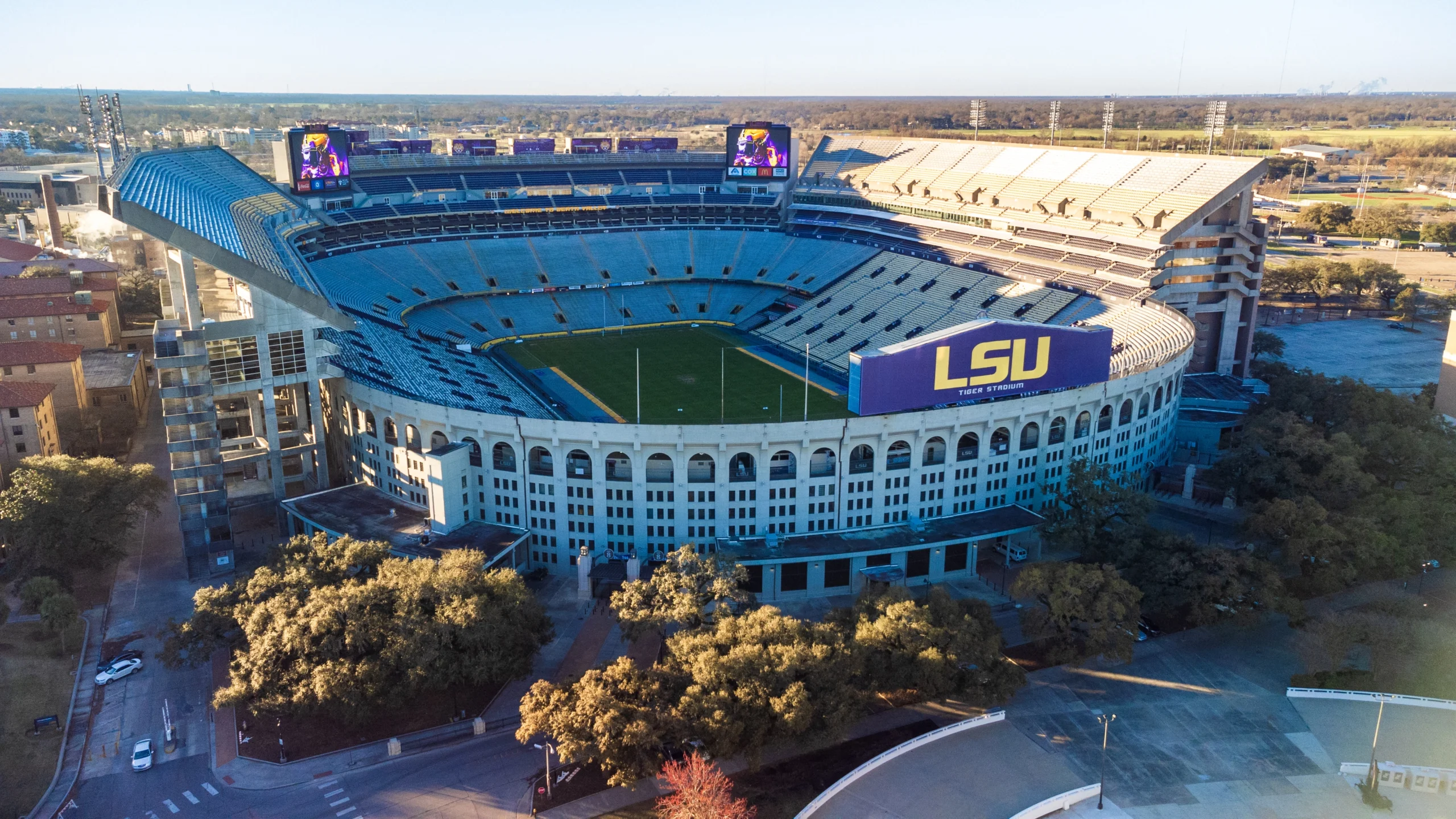
Louisiana State University
Study, Work, Live & Play in Baton Rouge, LA
Nestled along the Mississippi River in Louisiana’s capital, Louisiana State University combines flagship public research academics with the bold energy of a culturally rich city, passionate Tiger pride, and deep roots in Cajun and Creole heritage. Baton Rouge creates an inviting setting where academic pursuit aligns with flavorful cuisine, riverfront exploration, festive traditions, and industrial strength, attracting students, professionals, and families who embrace Southern warmth, community spirit, and vibrant living. From historic campus landmarks and world-class collections to swamp trails and Mardi Gras parades, Baton Rouge delivers experiences that build pride, foster connections, and celebrate Louisiana soul.
Study in Baton Rouge, LA
Louisiana State University stands as the state’s premier flagship, drawing ambitious students from across the nation and internationally with its challenging programs, research emphasis, and iconic campus legacy. In U.S. News & World Report’s 2026 rankings, LSU holds No. 169 among National Universities and ranks among Top Public Schools, with strengths in fields like business, engineering, and agricultural sciences. Niche praises its lively campus atmosphere and strong student life, while The Wall Street Journal ranks it No. 1 university in Louisiana for 2026, highlighting graduate success and preparation.
Covering a 2,000-acre campus featuring the prominent Memorial Tower (Campanile), built in 1923 and dedicated in 1926 as a tribute to Louisianans lost in World War I, students engage in hands-on learning through the Office of Undergraduate Research, offering mentorship, fellowships, and faculty-guided projects across disciplines. Key attractions include Mike the Tiger’s habitat with its Italianate campanile backdrop, the LSU Rural Life Museum showcasing historic structures and artifacts, and traditions like visiting the live mascot Mike, the energetic “Geaux Tigers” chants, pre-game tiger habitat crowds, and massive tailgates at Tiger Stadium. With R1 research status and a unified Geaux Tigers community, LSU provides a powerful foundation for scholars seeking rigor, innovation, and enduring impact.
Work in Baton Rouge, LA
Baton Rouge’s job market advances through education leadership, government presence, and petrochemical dominance, with LSU contributing significantly to statewide economic activity via research, workforce training, and events. The university supports thousands of positions while driving innovation and regional stability.
Major employers feature ExxonMobil in refining and chemicals, alongside state government roles and healthcare. Recent investments, including upgrades at ExxonMobil’s Baton Rouge Complex and expansions in manufacturing, add jobs in energy, petrochemicals, and related fields. Forecasts indicate steady growth with low unemployment, creating opportunities in professional, industrial, and service sectors. This integrated ecosystem in a capital city supports career development with collaboration, stability, and access to a high quality of life.
Live in Baton Rouge, LA
Baton Rouge offers a flavorful, community-focused lifestyle with strong appeal for affordability, cultural richness, and outdoor access, earning recognition in regional livability lists for its parks, family-friendly neighborhoods, and resident satisfaction. The dining scene shines with authentic Cajun and Creole dishes, from crawfish étouffée and po’boys at Parrain’s Seafood and The Chimes to upscale contemporary options at Jubans, alongside campus favorites and local gems.
With plentiful sunny days, residents enjoy over 70 parks including Bluebonnet Swamp Nature Center for trails and wildlife, BREC’s Baton Rouge Zoo, and Mississippi River paths for scenic walks or kayaking. Neighborhoods blend historic charm with college vibrancy, promoting welcoming interactions and a sense of place. Baton Rouge’s mix of riverfront appeal, culinary heritage, and steady growth forms a comfortable, engaging home.
Play in Baton Rouge, LA
Baton Rouge pulses with Tiger spirit and Louisiana festivities, anchored by major events that draw crowds: Spanish Town Mardi Gras Parade (February 14, 2026) with its colorful, quirky floats and flamingo themes; Krewe of Artemis all-female nighttime parade; and high-energy game days at Tiger Stadium featuring tailgating, Mike the Tiger sightings, and post-win traditions. Outdoor options include Bluebonnet Swamp’s boardwalks, Mississippi River trails, and nearby preserves for hiking and nature.
Adventures extend to exhibits at the LSU Rural Life Museum, shows at the Shaw Center for the Arts, or seasonal gatherings like the Red Stick Food Festival and Bayou Country Superfest (dates vary, often spring/summer). Whether cheering from the stands, joining Mardi Gras parades, or exploring cultural and natural sites, Baton Rouge supplies a dynamic schedule of recreation rooted in Cajun-Creole pride, river heritage, and authentic enthusiasm.
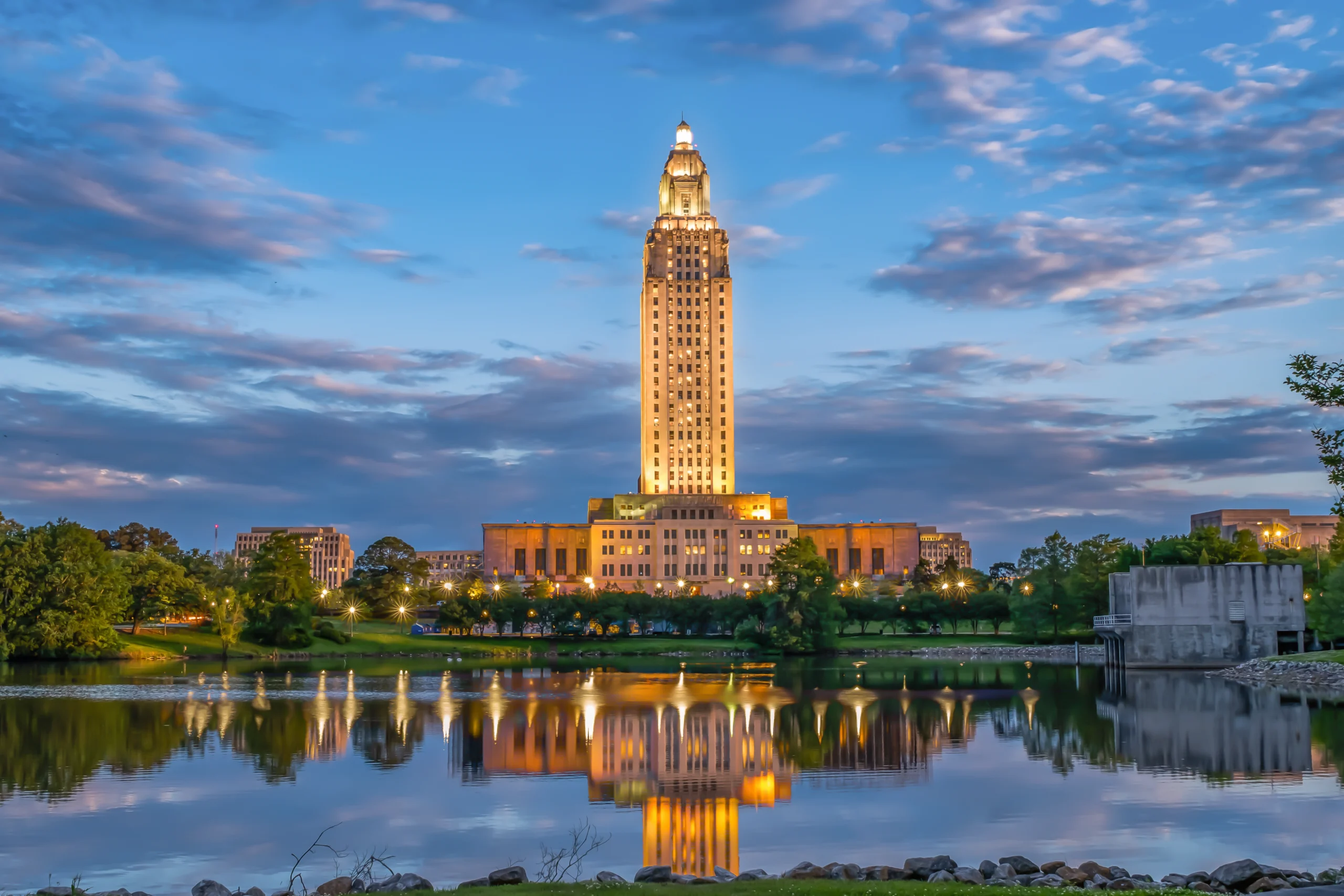
Learn Your History & Stats
College History
Chartered in 1860 as a land-grant institution amid the Civil War era, Louisiana State University has built its legacy as Louisiana’s flagship public university, achieving R1 status with very high research activity through pivotal moments like post-war reconstruction, coeducation integration, desegregation advancements, and the cultivation of legendary Tiger traditions. The university has produced standout alumni such as James Carville (political strategist), Shaquille O’Neal (NBA Hall of Famer), Pete Maravich (basketball legend), Odell Beckham Jr. (NFL star), and influential figures in entertainment, sports, politics, and science. The E. J. Ourso College of Business sustains momentum with strong undergraduate and MBA programs recognized regionally for quality, career placement, and connections to Louisiana’s energy and business sectors, driving entrepreneurship, analytics, and experiential learning for graduate success. The Paul M. Hebert Law Center ranks No. 84 nationally (U.S. News & World Report 2025), a solid public value with strengths in energy law, civil law, and trial advocacy, boasting impressive bar passage rates and regional employment outcomes. Louisiana State University performs well in leading academic rankings, tying for No. 169 nationally and No. 92 among public universities (U.S. News & World Report 2026), with additional recognition as the top university in Louisiana (Wall Street Journal 2026 Best Colleges), underscoring its R1 research impact—approaching or exceeding $553 million in recent expenditures—excellence in agriculture, energy, coastal studies, and the electrifying Tiger spirit seen in traditions like the Golden Band from Tigerland and Death Valley roars at Tiger Stadium.
Student Population and Housing Market Insights
Approaching or exceeding 37,000-38,000 students in fall 2025 (approximately 31,000 undergraduates and 6,000+ graduates with growth trends), Louisiana State University attracts a diverse community, with Louisiana residents comprising about 62%, out-of-state students around 33-34%, and international students over 4% from various countries. On-campus housing serves a portion of students (particularly freshmen and many undergraduates in residence halls or Greek facilities), while the majority—around 70% or more—live off-campus in apartments, houses, or private rentals near campus. This high off-campus demand supports a consistent rental market in central areas like ZIP 70803 (campus core) and adjacent ZIP 70808 (high-demand student zones). Over the past 15 years, home values in these ZIP codes have appreciated steadily, fueled by LSU’s enrollment expansion, research advancements, and Baton Rouge’s evolving college-town dynamics, delivering strong long-term returns for property owners according to Zillow and CoreLogic trends (with medians in the $200,000-$300,000 range and positive growth patterns). Many investors using platforms like collegehomes.com find multiple avenues for creating investment opportunities due to the large amount of renters within the Louisiana State University markets, benefiting from reliable student-driven demand. Additionally, Louisiana residents enjoy significant in-state tuition advantages, often saving well over $100,000 across four years compared to out-of-state rates (around $12,000-$13,000 in-state vs. $29,000-$30,000 out-of-state annually), making LSU a top-tier, affordable flagship for families establishing roots in the state.
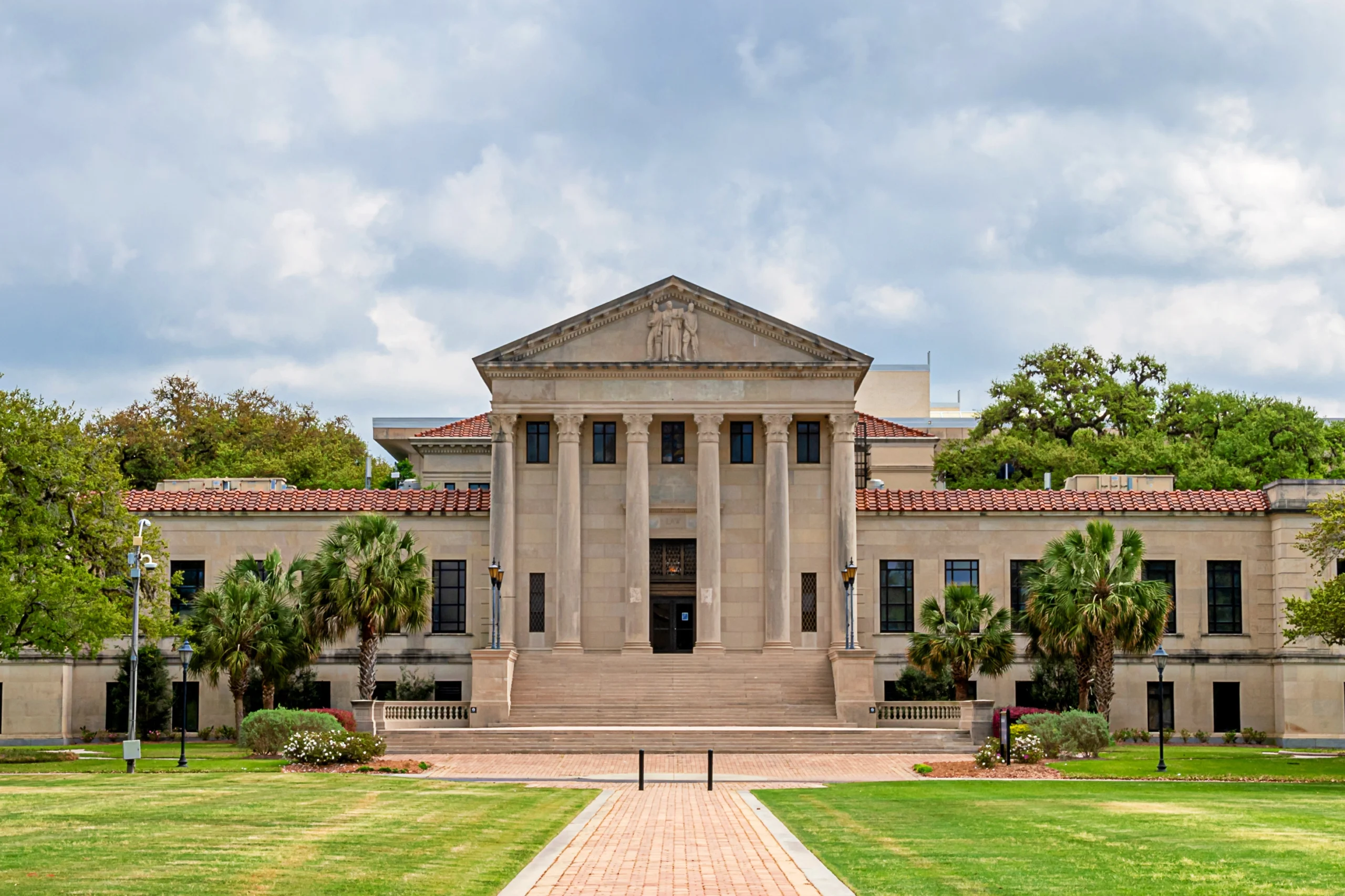
Off-Campus Living and Nightlife in Baton Rouge
Students at Louisiana State University flock to lively off-campus neighborhoods like Tigerland (ZIP 70820), Southgate/Brightside Drive, Garden District, and Southdowns, all within a quick 1- to 2-mile walk, bike ride, or shuttle from campus. These areas mix high-energy student vibes, historic appeal, and convenient access, drawing undergrads, grads, and young professionals alike. Tigerland thrives as the epicenter for modern student living, packed with apartments featuring amenities like resort-style pools, fitness centers, and study lounges—perfect for balancing academics and social life while fueling strong rental demand. Popular complexes include The Oliver, known for premium finishes, proximity to Tiger Stadium, and easy access to The Chimes; Ion Baton Rouge, offering luxury one-block-from-campus designs, gated security, and modern layouts; Redpoint Baton Rouge, with furnished units, clubhouses, and game-day convenience; and Lark Baton Rouge, boasting spacious options, roommate matching, and vibrant community features near LSU.
Garden District enchants with its historic charm—tree-lined streets, restored homes, and a quieter, walkable atmosphere filled with parks and local gems, ideal for those craving a grounded residential feel close to campus. Southdowns draws families and grads with suburban homes, green spaces, and relaxed energy, only a short drive or bus ride away. These neighborhoods not only connect via LSU Tiger Trails shuttles and special game-day routes but also promote independence with nearby groceries, eateries, and trails, turning off-campus life into a natural extension of the Tiger experience.
Baton Rouge Rental Market
The rental market within 1.5 miles of Louisiana State University, particularly in ZIP codes 70820 (Tigerland/Brightside), 70808 (Southgate/Garden District), and nearby areas, caters heavily to the university’s 35,000+ students. Modern apartments and shared houses dominate Tigerland and Southgate due to high demand. As of early 2026, average rents in these areas range approximately $1,200–$1,800/month, above the citywide average of around $1,000–$1,300. Below are rental stats for student-centric properties:
- Average Rent per Bedroom: $700–$1,100, with premium Tigerland units often exceeding $1,300 for luxury apartments near campus.
- Studio Apartments: $900–$1,400/month, with budget options in outer areas (~$800) and upscale spots near LSU (~$1,500).
- 1-Bedroom Apartments: $1,000–$1,500/month, averaging $1,200 in student zones. Affordable choices nearby start at $900.
- 2-Bedroom Apartments: $1,300–$1,900/month, with Tigerland averages at $1,600. Shared rentals reduce costs (e.g., $800/person).
- 3-Bedroom Apartments/Houses: $1,800–$2,800/month, ideal for student groups. Southdowns options around $2,100.
Smart housing options, like roommate matching or pre-leased units via apartment locators, help students manage costs. High demand during fall semesters drives early leasing in Tigerland, while short-term rentals thrive during football games and events like Mardi Gras. Data sources: RentCafe, Apartments.com, Zillow, LSU off-campus housing resources.
Nightlife in Baton Rouge
Baton Rouge’s nightlife surges with Tiger spirit, known for its blend of live music, dive bars, and explosive game-day energy. Tigerland and Downtown districts provide walkable or quick-ride access from campus—especially during massive events like football Saturdays at Tiger Stadium in fall and Mardi Gras, when short-term rentals boom with crowds.
Tigerland (70820) holds iconic status for its college bar heritage, featuring spots like Fred’s in Tigerland’s patios and specials spilling rowdy vibes onto Bob Pettit Boulevard. The area’s lively dives create a high-energy, party atmosphere with drink specials and games, while Downtown Baton Rouge adds eclectic flair with breweries and lounges for varied nights out.
Newer Twists on Baton Rouge’s Nightlife Scene
Baton Rouge’s nightlife keeps evolving with fresh live music venues, craft spots, and hybrid hangouts, grounded in LSU traditions but welcoming diverse crowds—from rowdy undergrad parties to more relaxed grad gatherings.
Varsity Theatre: This historic venue near LSU stands as a cornerstone for live music, themed nights, and packed shows—boosting the area’s status as a high-energy hub with post-event buzz.
The Chimes East: The vibrant core excels with live bands, Cajun eats, and spots for pre-gaming or late-night fun—enhanced atmospheres make it a staple for unfiltered excitement, especially during game-day spectacles.
Happy’s Irish Pub: This polished favorite draws a 21+ crowd with craft cocktails, trivia, and themed events—fusing Baton Rouge’s spirited feel with upscale touches for extended nights.
Old Favorites Holding Strong: The Bulldog for casual hangs and brews; Murphy’s Bar for cozy vibes and cheap drinks; Bogie’s Bar for sports watches and legendary charm.
Downtown Gem: The Lobbyist: This lounge offers a relaxed escape with craft cocktails, small plates, and occasional live sets—serving sophisticated drinks alongside a chill patio vibe near Third Street.
Tigerland’s “Geaux Tigers” rise with artsy dives and craft bars pulls nightlife fans from quieter spots, highlighting Baton Rouge’s enduring, vibrant energy.
Fueling Up: Great Eateries, Coffee Houses, and Breakfast Spots
Baton Rouge’s food scene excels near LSU, with late-night options, study-friendly cafes, and hearty brunches—many places serving as social hubs with big portions and student deals.
Eateries for Late-Night or Anytime Cravings:
- The Chimes (multiple, including East near campus): Beloved for Cajun plates like shrimp po’boys and game-day specials—prime late-night fuel.
- Louie’s Cafe (near LSU): Classic diner burgers, clubs, and loaded hashbrowns for quick, satisfying bites.
- Tsunami (Third Street): Sushi and Asian fusion with extended hours for anytime cravings.
Coffee Houses for Study Sessions or Buzz:
- Highland Coffees (near North Gates): Bold roasts, pastries, and cozy vibes—ideal for all-nighters.
- Coffee Call (College Drive): Beignets, drip coffee, and drive-thru convenience for quick buzz.
- Pura Vida Coffee Bar (near LSU Ave): House blends with artsy energy and light bites.
- City Roots Cafe (various): Patio perfection for lattes, smoothies, and focused work near campus.
Breakfast Spots to Start (or Recover) the Day:
- Louie’s Cafe (near LSU): Retro Southern classics like omelets, biscuits, and beignets—worth the lines.
- The Vintage (Laurel St.): Stuffed beignets, breakfast biscuits, and creative sweets for hearty starts.
- Frank’s Restaurant (multiple): Homemade biscuits, gravy, and country plates with bottomless coffee.
- Pit Stop (nearby): Diner-style melts, French toast, and family-friendly vibes.
- Another Broken Egg Cafe (various): Chef-inspired brunch like pancakes and spiked options.
From Tigerland apartment hunts to Downtown bar crawls, Baton Rouge’s off-campus world keeps the energy roaring—game nights transitioning to strong coffee mornings. Embrace the “Geaux Tigers” tradition; the excitement (and flavors) are part of the fun.

Student Organizations and Activities at Louisiana State University
With over 400 registered student organizations, Louisiana State University in Baton Rouge cultivates a fiery “Tiger Nation” where academics, legendary traditions, and unbreakable bonds roar across a sprawling campus along the Mississippi River. From exhilarating Mike the Tiger parades and tailgates to thunderous “Geaux Tigers” chants echoing through Tiger Stadium, student life surges with inclusive resources like tutoring and career services at the Olinde Career Center, iconic rituals such as Homecoming parades, Purple and Gold Fridays, and the pregame salute from the Golden Band from Tigerland, and a welcoming culture championing service, leadership, intellectual pursuit, and Louisiana pride in the heart of Cajun country.
Sports and Recreational Clubs
Athletic passion ignites Tiger life through Intramural Sports at University Recreation (UREC), pulling thousands into leagues each semester. Whether throwing in flag football, spiking in volleyball, or battling in dodgeball matchups, activities embrace every skill level—no experience required. Campus favorites feature basketball, indoor soccer, ultimate frisbee, softball, racquetball, and cornhole. Teams rally via residence halls, Greek chapters, friends, or as independents, with registration through Fusion Play and free or low-cost access for students. Leagues deliver playoffs and champions, fueling the program’s competitive spirit and inclusive vibe.
For elevated intensity, nearly 30 sport clubs offer organized competition, highlighting distinctive options like equestrian, rugby, fencing, boxing, crew, and bass fishing. These student-governed teams compete regionally and nationally, building leadership with practices, travel, and adventures—perfect for offsetting demanding classes with teamwork, friendships, and excitement at UREC facilities or Baton Rouge’s outdoor spots.
Faith and Identity Communities
Spiritual growth and cultural connection thrive in diverse, supportive spaces honoring a wide range of beliefs and heritages. Christ the King Catholic Student Center hosts Masses, small groups, retreats, and fellowship drawing thousands; Reformed University Fellowship (RUF) and Cru provide Bible studies, worship nights, and outreach; while the Baptist Collegiate Ministry fosters discipleship, community events, and service amid LSU’s vibrant pace.
Further networks include Wesley Foundation for Methodist ties, Muslim Students Association for prayer and cultural programming, Hillel for Jewish life with events and Shabbat, and interfaith coalitions through campus religious life. Organizations such as Christian Student Fellowship and multicultural faith groups create inclusive sanctuaries, blending faith exploration with social bonds and Baton Rouge-area outreach for reflective, supportive communities.
Political and Ideological Engagement
Fueled by policy debates and civic engagement? LSU’s political scene spans ideologies with arenas for advocacy, discussion, and leadership. Turning Point USA at LSU champions conservative values through speakers, tabling, and events that frequently spark campus-wide conversations on liberty, free markets, and governance, often in partnership with bridge-building efforts. Counterparts include College Republicans for policy advocacy and socials, alongside progressive groups like College Democrats organizing voter drives and community initiatives.
Non-partisan dialogue emerges through groups fostering cross-ideological exchanges. Intellectual depth adds with debate teams, Model UN, and policy societies refining skills in public forum, Lincoln-Douglas, and other formats—open to newcomers. These organizations sharpen critical thinking and eloquence, equipping future leaders for respectful discourse in Baton Rouge’s energetic, tradition-steeped environment.
From parading with Mike the Tiger, serving in community drives, or dominating an intramural flag football game, LSU student life is forged—one cheer, one tradition, one genuine connection at a time. Discover your spot via TigerLink (tigerlink.lsu.edu), involvement fairs, or highlights in The Reveille. Geaux Tigers.
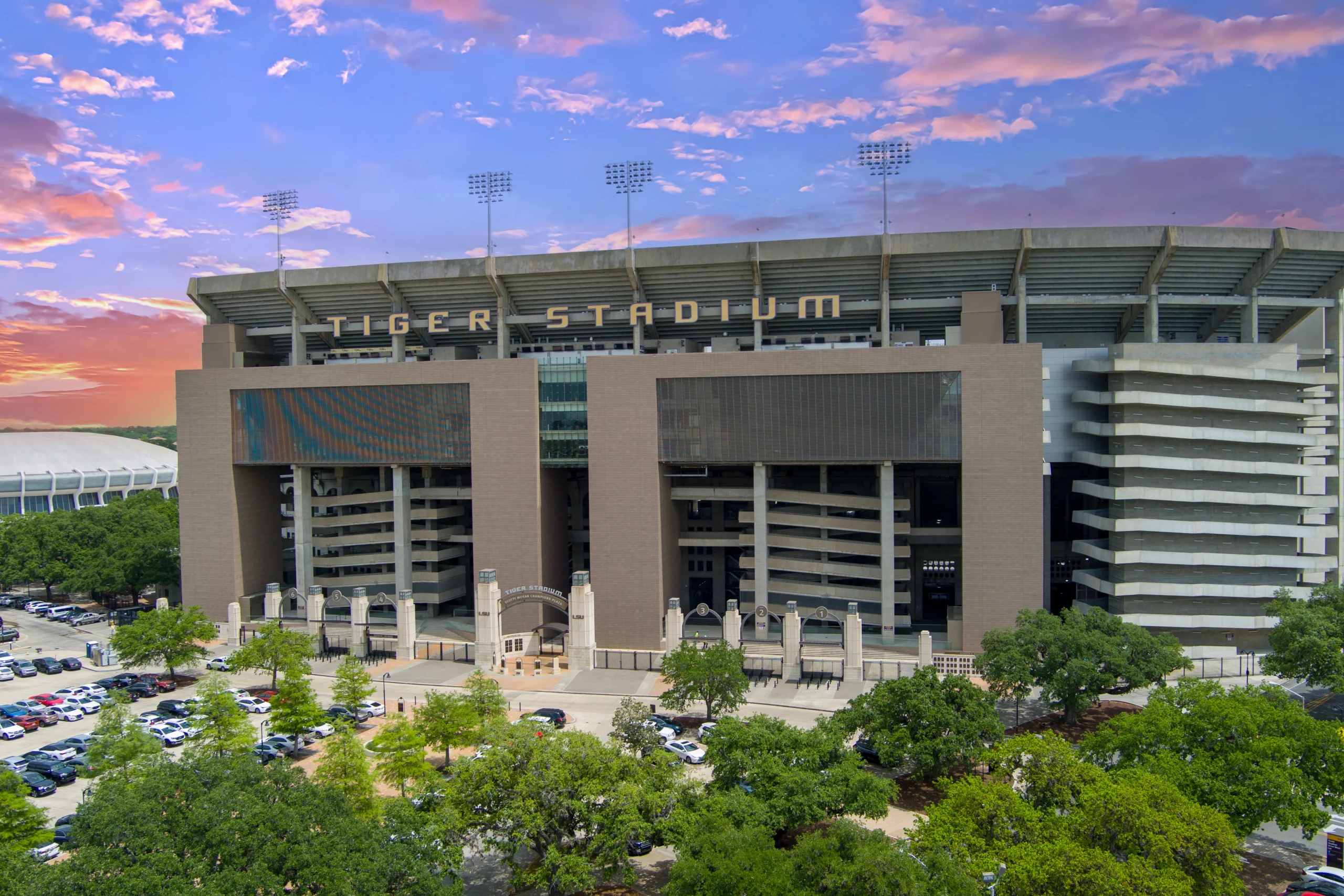
Benefits of Investing in Properties Near UT Austin
Investing in real estate near UT Austin offers a compelling combination of educational savings, reliable income, long-term wealth building, and family legacy advantages. In vibrant neighborhoods like West Campus, Hyde Park, and Riverside, properties benefit from consistent demand driven by a large student population, tech growth from companies like Tesla and Oracle, and Austin’s status as a thriving capital city.
Unlocking In-State Tuition Savings
Texas residency laws allow families to qualify for dramatically lower in-state tuition rates by establishing domicile through property ownership. Out-of-state undergraduate tuition at UT Austin typically runs significantly higher than in-state rates, creating substantial annual savings. Purchase a condo or home in prime areas like West Campus or Hyde Park, have your student reside there (often with roommates), and support residency with documents like property deeds, Texas driver’s licenses, and voter registration. After 12 consecutive months, approval is straightforward, locking in reduced rates from sophomore year onward and delivering massive educational cost reductions over a degree program.
Generating Strong Rental Cash Flow
The perpetual demand from UT’s large student population ensures properties near campus rarely sit vacant. Modern condos or small homes lease quickly at competitive per-bedroom rates, with rents often covering or exceeding monthly costs. With thoughtful financing and roommate setups, gross income frequently offsets principal, interest, taxes, insurance, and HOA fees—yielding break-even or positive monthly cash flow from day one. Annual rent increases tied to market trends further enhance returns, turning the investment into a self-sustaining asset while your student enjoys on-site living.
Building Equity Through Appreciation and Paydown
Austin’s core neighborhoods around UT have historically provided steady, reliable property value growth fueled by limited supply and ongoing influx of students, professionals, and families. Combined with regular principal reduction from mortgage payments (largely covered by tenants), equity accumulates predictably over time. This dual engine of appreciation and debt paydown creates substantial net worth growth in stable, high-demand zones—offering a low-volatility path to wealth compared to more speculative markets.
Creating a Family Launchpad
Upon graduation, the matured property serves as a powerful springboard. Options include selling for potential gains to fund a down payment on a larger home in growing areas like Crestview or East Austin, or refinancing to extract tax-free equity while retaining the rental for ongoing income. This strategy equips your graduate with significant financial momentum—far beyond starting from scratch—turning college housing into a foundational step toward independent homeownership.
Imparting Lifelong Financial Lessons
Ownership involves hands-on experiences that build essential skills far beyond academics. Students learn practical aspects like roommate coordination, maintenance oversight, lease management, and basic financial concepts through real-world application. These experiences demystify investing, foster responsibility, and instill confidence in wealth-building principles that compound over a lifetime—transforming a property purchase into an invaluable education in financial independence.
In a market bolstered by Austin’s innovation hubs and structural student demand, near-campus investments stand out for their resilience and multi-layered returns. From slashing tuition burdens to forging family wealth, one strategic acquisition near the iconic UT Tower can reshape educational and financial futures.
In-State Tuition Savings Over Time
| Duration | In-State Tuition | Out-of-State Tuition | Savings |
|---|---|---|---|
| 1 Year | $11,688 | $44,908 | $33,220 |
| 2 Years | $23,376 | $89,816 | $66,440 |
| 3 Years | $35,064 | $134,724 | $99,660 |
| 4 Years | $46,752 | $179,632 | $132,880 |
Top Academic Programs
LSU offers over 235 undergraduate degrees and 150 graduate programs across 14 colleges, with research strengths in agriculture, engineering, and coastal sciences. Its $553 million in research supports initiatives like the Center for Coastal Studies and the National Earthquake Engineering Simulation Laboratory. The top five undergraduate programs include:
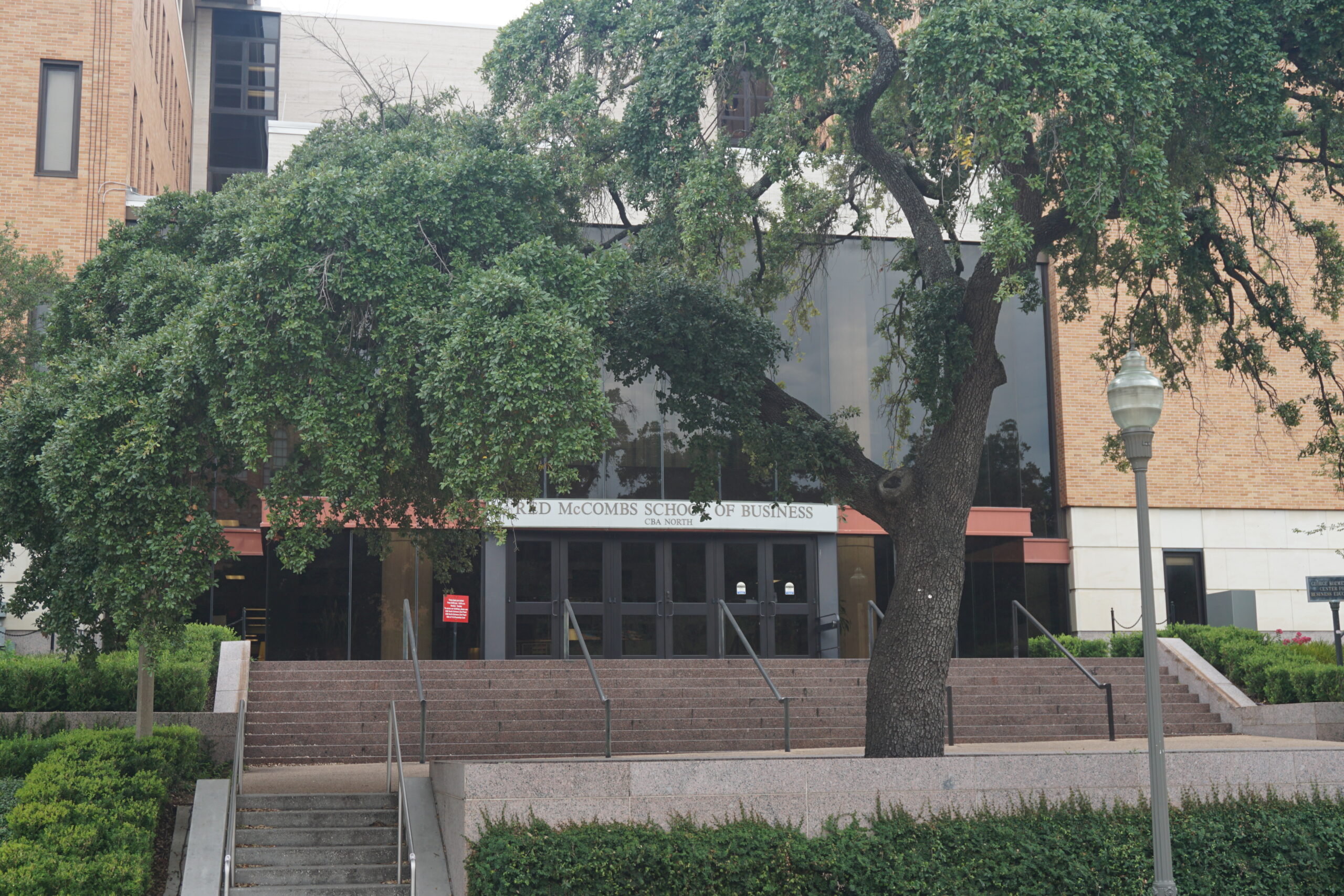
Business Administration:
The E.J. Ourso College of Business, ranked #62 nationally, excels in finance and energy management, with alumni at ExxonMobil and Entergy.
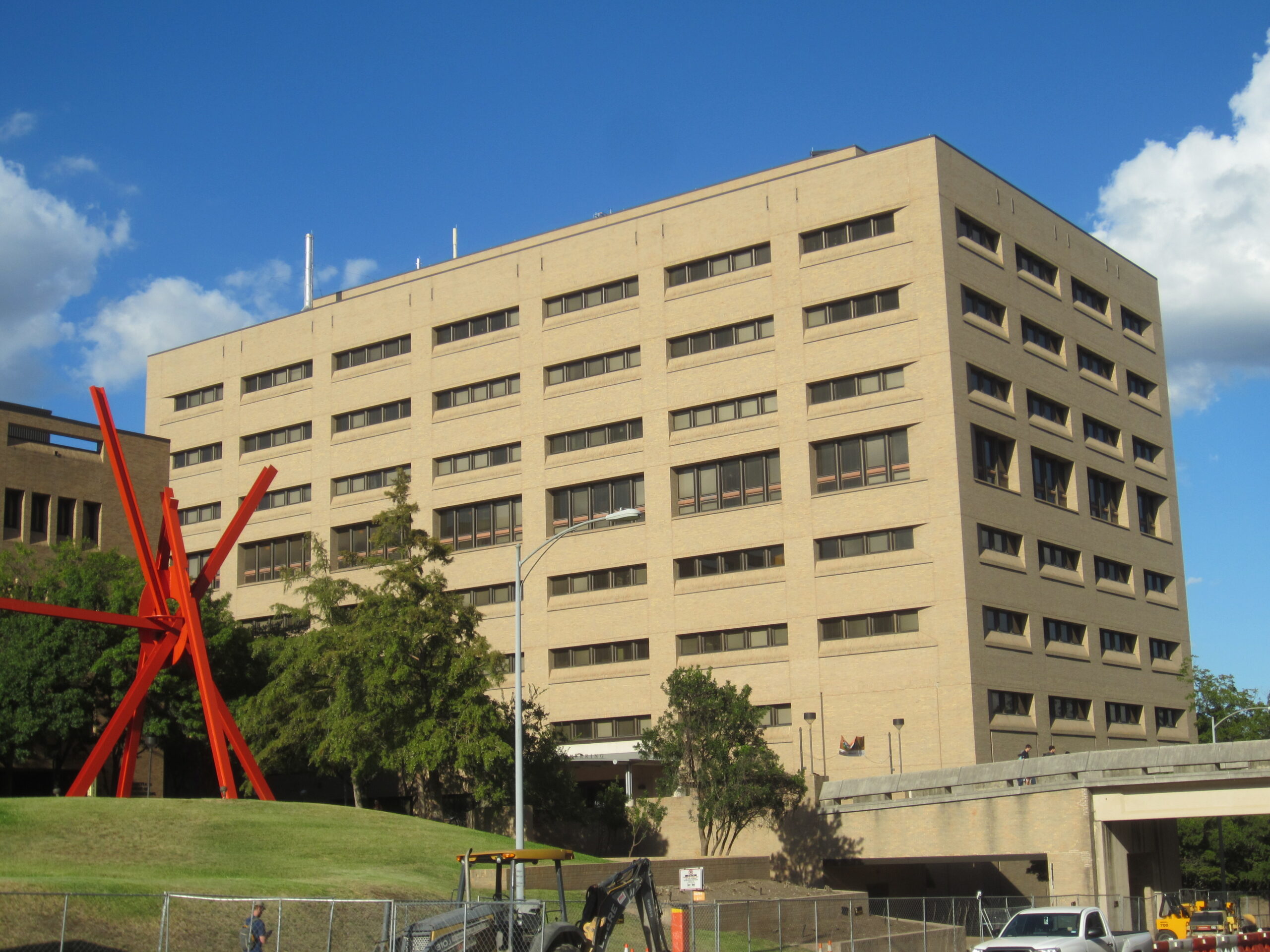
Engineering:
The College of Engineering, ranked #76 nationally, leads in petroleum and chemical engineering, with research at the Louisiana Transportation Research Center.
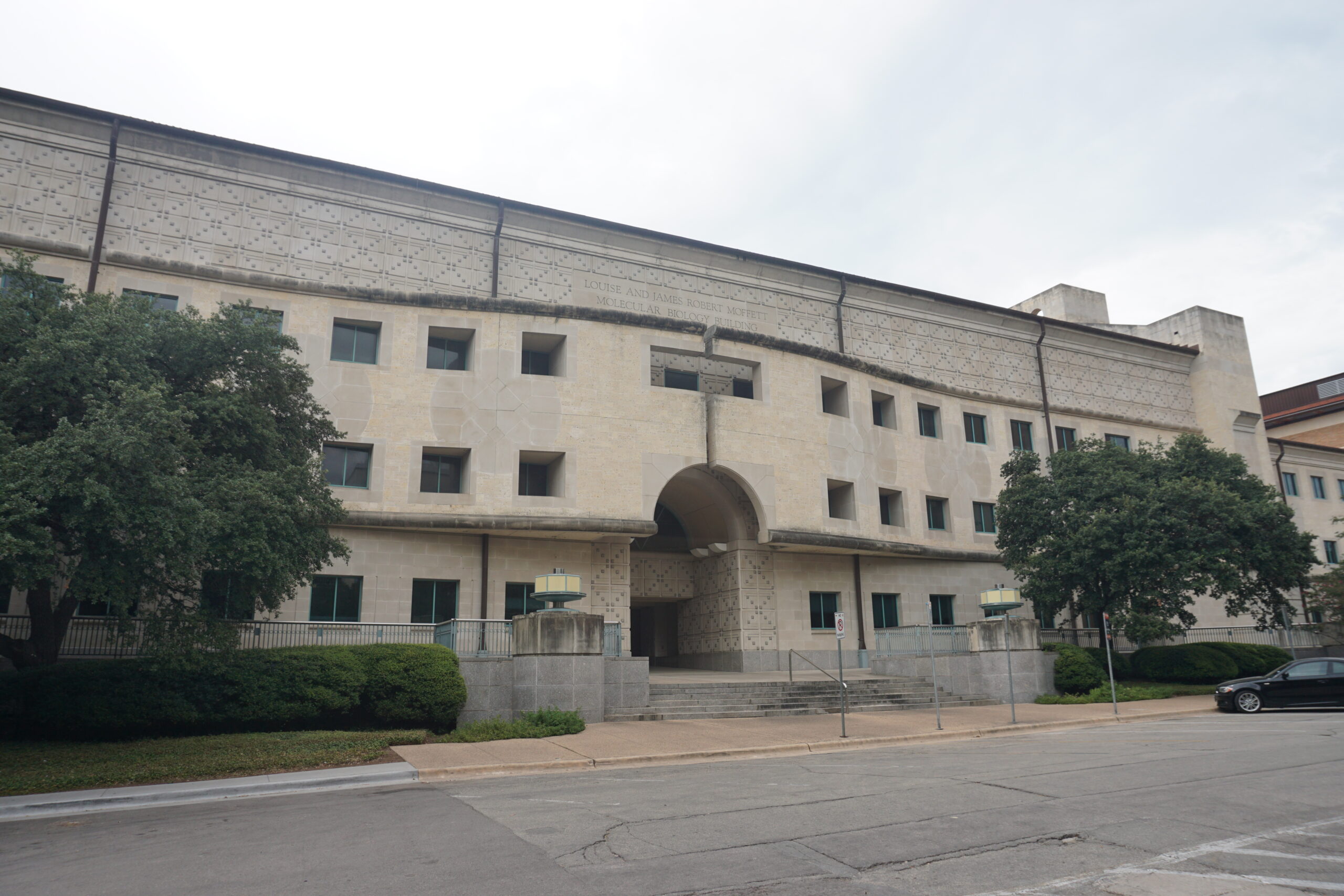
Biology:
The College of Science supports pre-med and marine biology, with graduates at Ochsner Health.
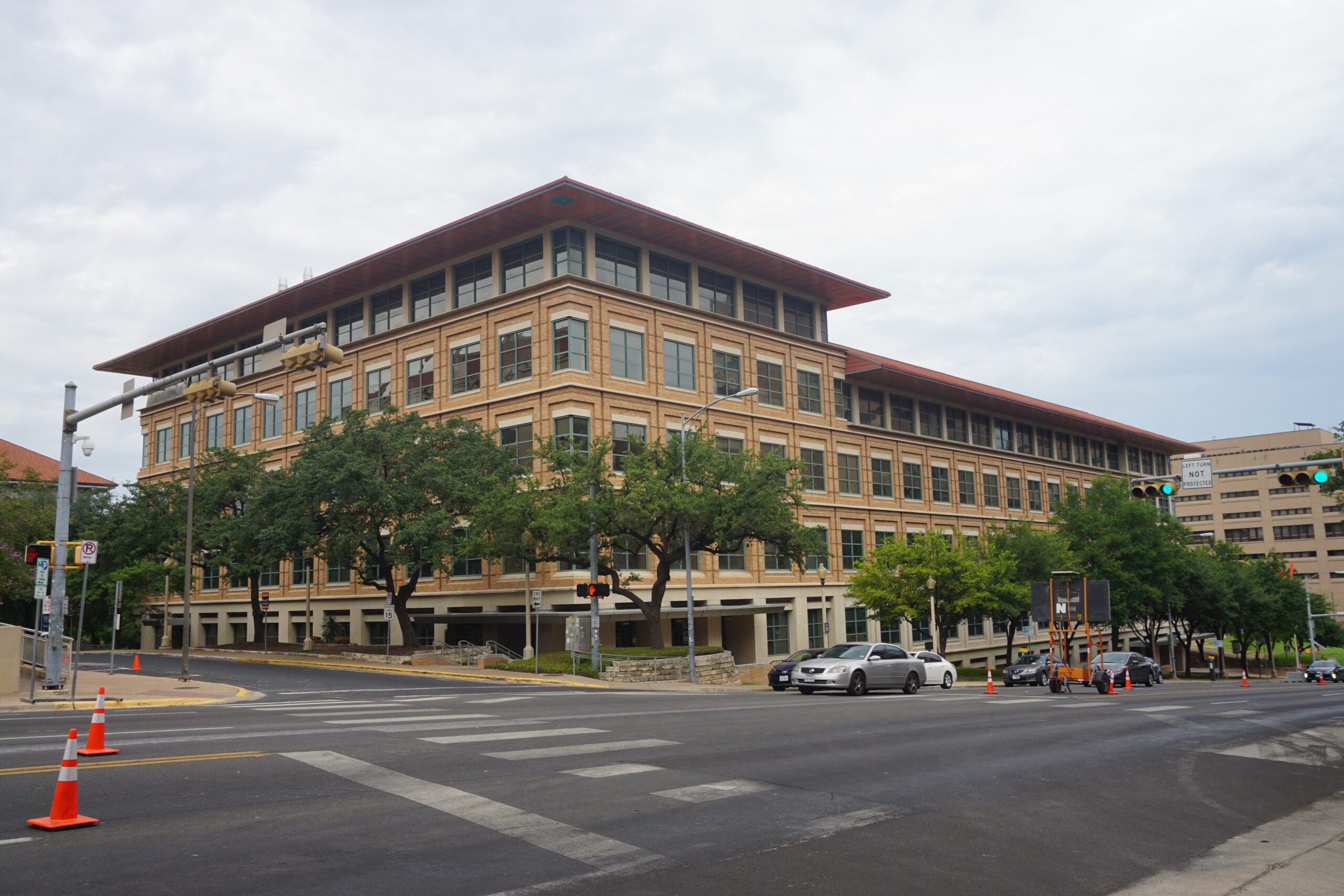
Mass Communication:
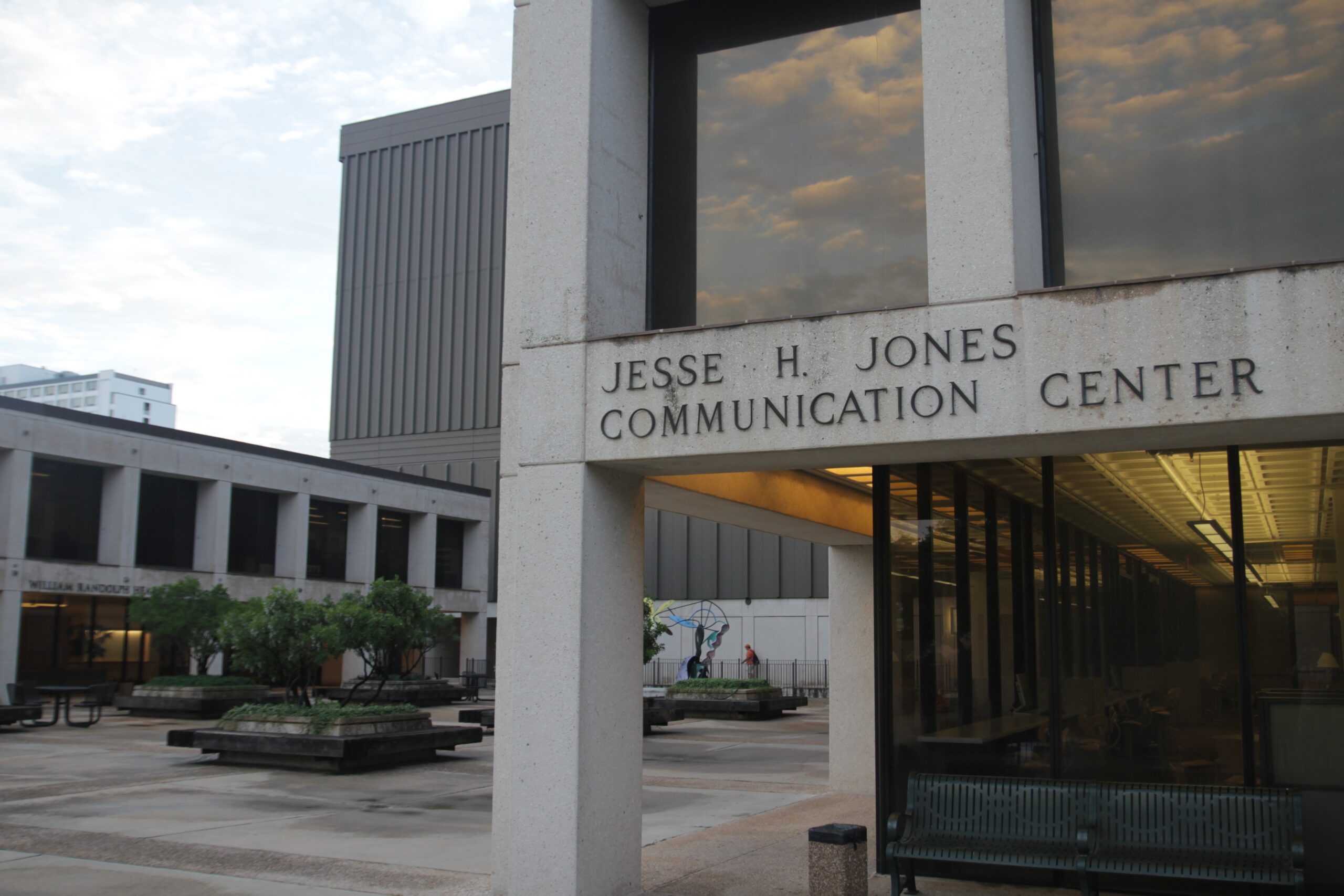
The Manship School of Mass Communication, ranked #20 nationally, trains leaders in journalism and public relations, with alumni at The Advocate and CNN.
Agricultural Science:
The College of Agriculture, ranked #12 globally, advances food security and agribusiness, with research at the LSU AgCenter.
Notable Alumni of LSU

James Carville:
James Carville (born Chester James Carville Jr. on October 25, 1944, in Fort Benning, Georgia, and raised in Carville, Louisiana), the fiery Democratic strategist nicknamed the “Ragin’ Cajun,” earned fame for masterminding Bill Clinton’s 1992 presidential victory with the iconic slogan “It’s the economy, stupid!” alongside partner Paul Begala, after earlier triumphs like Pennsylvania Gov. Bob Casey’s 1986 win and global campaigns for leaders such as Ehud Barak and Tony Blair. An LSU graduate with degrees in English and law, he advised Hillary Clinton’s 2008 bid and John Kerry’s 2004 run, became a CNN Crossfire co-host (2002–2005), and co-hosts the “Politics War Room” podcast, while authoring 12 books including the bestseller All’s Fair (1996) with wife Mary Matalin—a Republican he married in 1993 despite ideological clashes. At 81, Carville’s 2024 documentary Carville: Winning Is Everything, Stupid! chronicled his career and his push for Joe Biden to exit the race; in a November 24, 2025, New York Times op-ed, he urged Democrats to abandon “performative woke politics” for a platform of “economic rage” targeting inequality, minimum wage hikes to $20, free college, and universal childcare to reclaim the White House in 2028. Recently, on December 2, 2025, he predicted on The Daily Beast Podcast that Donald Trump’s presidency is “all but over” amid plummeting 36% approval ratings, Cabinet scandals, and economic backlash, forecasting Democratic midterm gains in 2026 and a 2028 sweep including Supreme Court expansion.
Huey Long:
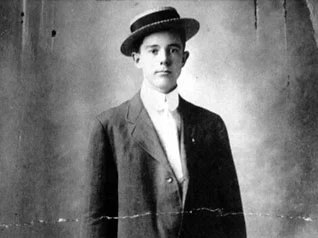
Huey Pierce Long Jr. (1893–1935), known as “The Kingfish,” was a charismatic and authoritarian Louisiana populist who served as governor (1928–1932) and U.S. senator (1932–1935). Rising from rural poverty, he transformed the state with massive public works—roads, bridges, free textbooks, expanded LSU, and adult literacy programs—financed by taxing oil companies and utilities, while building a near-dictatorial machine that controlled elections, the legislature, and the National Guard. In Washington he broke with FDR, launched the radical “Share Our Wealth” plan promising homesteads, minimum incomes, free college, and steep wealth taxes, and by 1935 was polling as a serious 1936 presidential threat. On September 8, 1935, he was fatally shot in the Louisiana State Capitol by Dr. Carl Weiss, dying two days later at age 42. Revered by millions as a champion of the poor and reviled by others as an American demagogue, Long left an enduring legacy of bold populism and one-man rule that dominated Louisiana politics for decades after his death.

Donna Brazile:
Donna Brazile (born December 15, 1959, in New Orleans) is a pioneering Democratic strategist, author, and commentator who made history as the first African American woman to manage a major-party presidential campaign (Al Gore, 2000) and twice served as chair of the Democratic National Committee (interim 2011, full 2016–2017). A working-class LSU graduate who began volunteering at age nine, she rose through Mondale, Dukakis, and Clinton-Gore campaigns before her 2016 tenure was rocked by WikiLeaks disclosures that she shared debate questions with Hillary Clinton’s team, leading to her resignation from CNN. Brazile has since been an ABC News contributor, Georgetown adjunct professor, and prolific author of bestsellers including Cooking with Grease (2004), Hacks (2017), and the NAACP Image Award-winning For Colored Girls Who Have Considered Politics (2018). A vocal advocate on voting rights and Democratic strategy, the openly lesbian, Catholic New Orleans native remains one of the party’s most influential voices at 65.
Shaquille O’Neal:
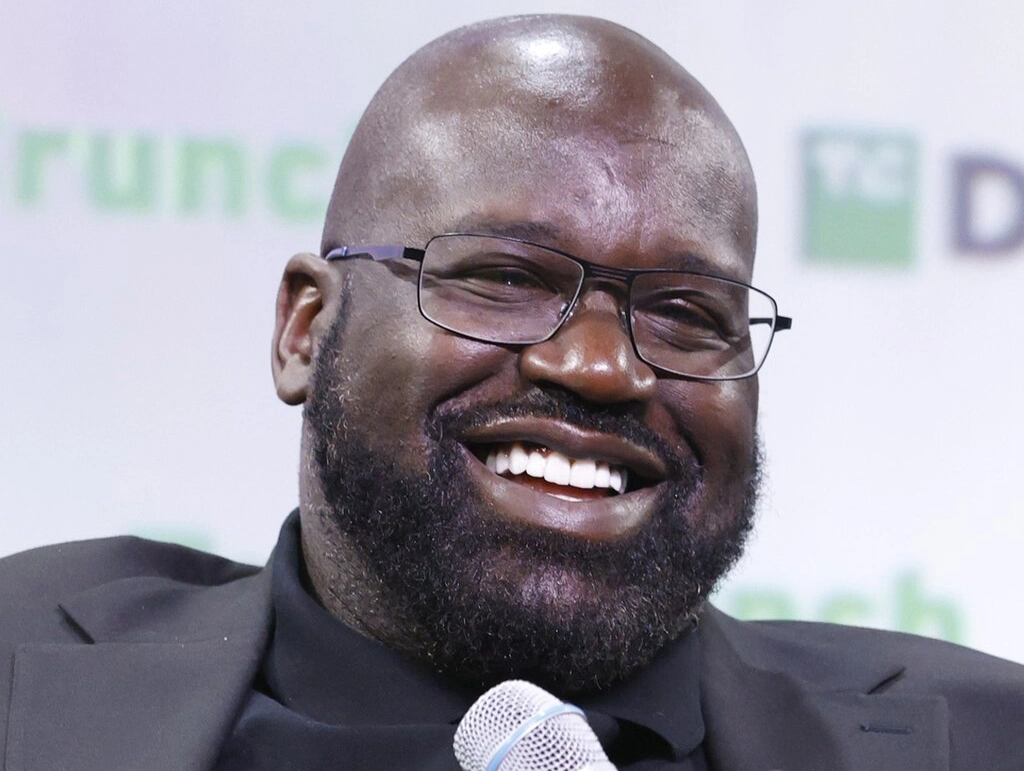
Shaquille O’Neal, born in Newark, New Jersey in 1972, attended Louisiana State University (LSU) from 1989 to 1992 after a standout high school career at Cole High School in San Antonio, Texas (following his stepfather’s military postings in Germany). What began as a dominant three-year run under coach Dale Brown—where he averaged 21.6 points, 13.5 rebounds, and 4.6 blocks per game, led the SEC in scoring, rebounding, field goal percentage, and blocks in 1991-92, earned two-time consensus All-American honors, two-time SEC Player of the Year, national Player of the Year in 1991 (Adolph Rupp Trophy, AP, UPI), and propelled LSU to strong seasons—evolved into one of the most legendary NBA careers. Selected first overall by the Orlando Magic in the 1992 NBA Draft, Shaq became a four-time NBA champion (three with the Lakers, one with the Heat), 2000 NBA MVP and Finals MVP, 15-time All-Star, three-time Finals MVP, and Hall of Famer (2016), while amassing records like second all-time in field goal percentage and building a multifaceted empire in business, entertainment, music, acting, and media (including TNT analyst and minority ownership stakes).
He left LSU early for the pros but fulfilled a promise to his mother by completing his bachelor’s degree in general studies from LSU’s College of Arts and Sciences in December 2000 (via correspondence courses), later earning an MBA from the University of Phoenix in 2005 and a Doctorate in Education from Barry University in 2012—earning him the title “Dr. Shaq.” He has continued his education, pursuing additional master’s-level studies at LSU focused on liberal arts and sports psychology. His ties to LSU endure through an iconic legacy in Tiger athletics and transformative support. Key elements include his No. 33 jersey retired in 2000 (one of only four in LSU history across sports), induction into the LSU Athletic Hall of Fame, a 900-pound bronze statue unveiled outside the LSU Basketball Practice Facility (where he famously calls it “Love Shaq University”), and his status as part of LSU’s All-Century Team. Shaq has returned for events like jersey retirements, statue unveilings, commencement speeches, and game appearances (including joining in Tiger Stadium celebrations), while pledging support for initiatives like a new world-class arena. Through his philanthropy—via the Shaquille O’Neal Foundation focusing on youth education, hunger relief, and community programs—his impact intersects with LSU’s emphasis on student-athlete success and giving back. Today, these contributions sustain LSU’s basketball prominence, inspire resilience, education, and leadership among Tigers past and present, and reflect his profound gratitude to the university that launched his path from college dominance to global icon status, embodying his commitment to family, learning, and uplifting the next generation.
John B Breaux:
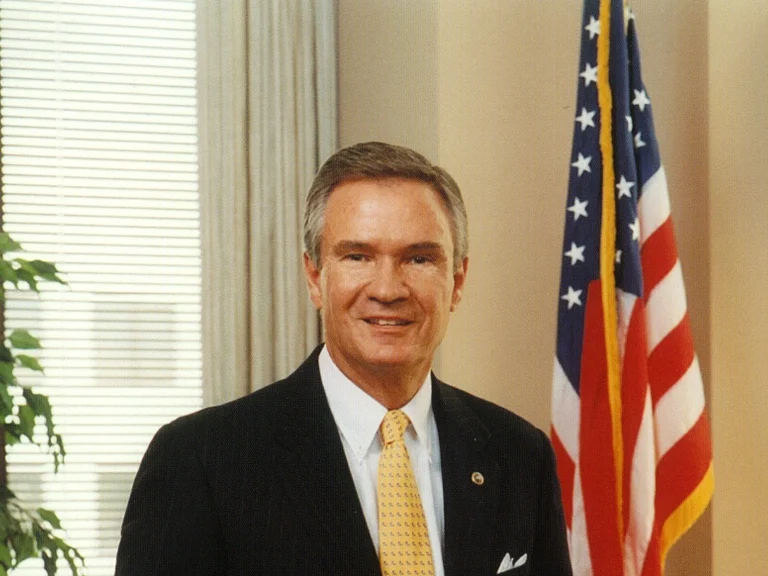
John B. Breaux (born March 1, 1944, in Crowley, Louisiana), a centrist Democrat, represented Louisiana in Congress for 32 undefeated years—first in the U.S. House (1972–1987) and then in the Senate (1987–2005)—where he became one of the chamber’s most effective bipartisan deal-makers. A University of Louisiana at Lafayette and LSU Law graduate, he shocked the establishment at age 28 by winning a 1972 House seat and later succeeded Russell Long in the Senate, serving on the Finance and Commerce committees while helping craft landmark legislation including the 1986 Tax Reform Act, 1996 welfare reform, and the 2003 Medicare prescription-drug benefit. Known for his Cajun charm and pragmatic style, Breaux was frequently considered for vice president and famously described his politics as falling “between Barry Goldwater and Fidel Castro.” He retired in 2005; since then he has worked as a senior lobbyist and counsel at Squire Patton Boggs and co-chairs the bipartisan Breaux-Lott Leadership Group with former Senate Majority Leader Trent Lott, remaining an influential voice in Washington and Louisiana affairs.
Why LSU Is a Great Choice for Investing In College Properties
Baton Rouge’s economic strength, cultural richness, and Cajun flair, with 229,300 city residents and 885,000 in the metro area, make it an ideal place to live and study. Establishing Louisiana residency, achievable after 12 months, offers significant benefits for LSU students. In-state tuition for 2024-2025 is $12,375, compared to $29,310 for out-of-state students, saving $16,935 annually, or $67,740 over four years. In-state students also benefit from scholarships like the TOPS Award, covering full tuition for eligible residents. Baton Rouge’s real estate market, with high demand in LSU-adjacent areas like Tigerland and Garden District, supports rental income and appreciation, driven by the city’s growth and LSU’s expansion, including new research facilities planned for 2026. Owning property near campus aligns with lifestyle and financial goals, making Baton Rouge a smart investment.