
University of Missouri
University of Missouri: A Distinguished Institution in the Heart of Columbia
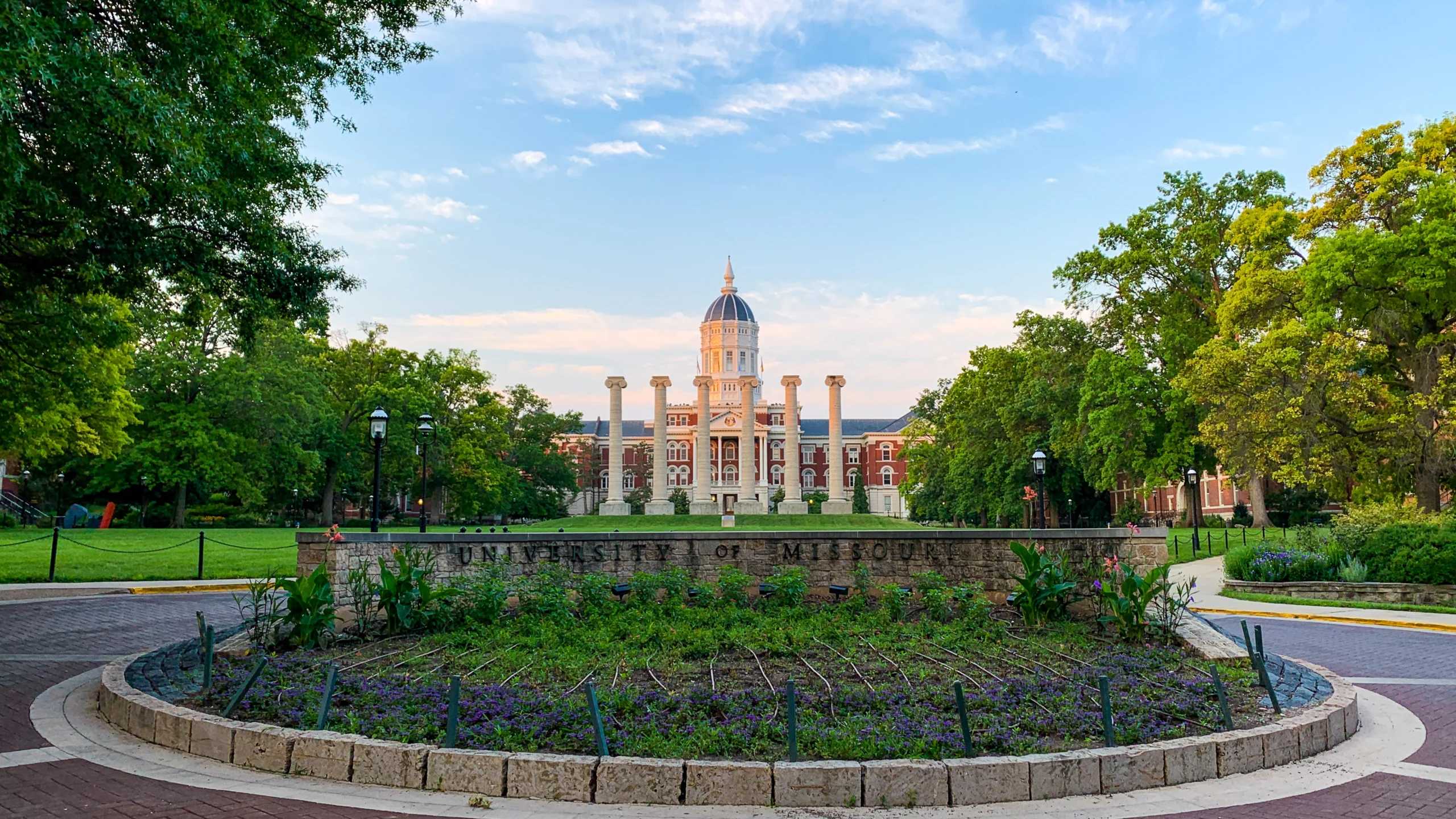
Located in Columbia, Missouri, the University of Missouri (Mizzou) is a public research university celebrated for its academic excellence, vibrant Tiger spirit, and deep connection to the Midwest’s cultural heritage. Columbia, with a city population of approximately 128,800 and part of the Columbia metro area with 215,000 residents, is a thriving college town known for its welcoming community, diverse economy, and lively arts scene. The local economy is driven by education, healthcare, and insurance, with Mizzou as a major contributor alongside companies like Shelter Insurance and University of Missouri Health Care. Columbia’s lifestyle blends intellectual energy with outdoor recreation at Rock Bridge Memorial State Park, dining from local cafes to award-winning restaurants, and events like the True/False Film Fest. Mizzou’s 1,262-acre campus, featuring the iconic Jesse Hall, hosts 31,742 students. Living in Columbia offers access to this academic powerhouse and opportunities for establishing Missouri residency for educational and real estate benefits.
Columbia: A Cultural and Economic Hub
Columbia’s city population of 128,800 and metro area population of 215,000 reflect its status as a dynamic center for education and innovation, with a 2.5% population growth from 2020 to 2024. The economy thrives on Mizzou, healthcare (MU Health Care), and insurance, with Columbia ranking as a top city for livability and affordability. This economic vitality supports a lifestyle rich in culture and recreation. Over 60 parks, including Stephens Lake Park and the MKT Trail, offer hiking, biking, and festivals, while Finger Lakes State Park provides off-road recreation. The city’s 270+ days of sunshine enhance its appeal for outdoor enthusiasts.
Dining in Columbia is diverse, with over 600 restaurants showcasing Midwestern and global flavors. Local spots like Shakespeare’s Pizza, a student favorite, serve creative pies, while Flat Branch Pub & Brewing offers craft beers and pub fare. Upscale venues like Murry’s, recognized regionally, provide fine dining. Cultural landmarks include the Museum of Art and Archaeology, the State Historical Society of Missouri, and The Blue Note music venue. Events like the Roots N Blues Festival, True/False Film Fest, and the Columbia Farmers Market draw crowds. The real estate market, fueled by Mizzou’s growth and Columbia’s affordability, makes the city attractive for students and investors, with neighborhoods near campus offering strong rental potential.
A Research Leader with Tiger Pride
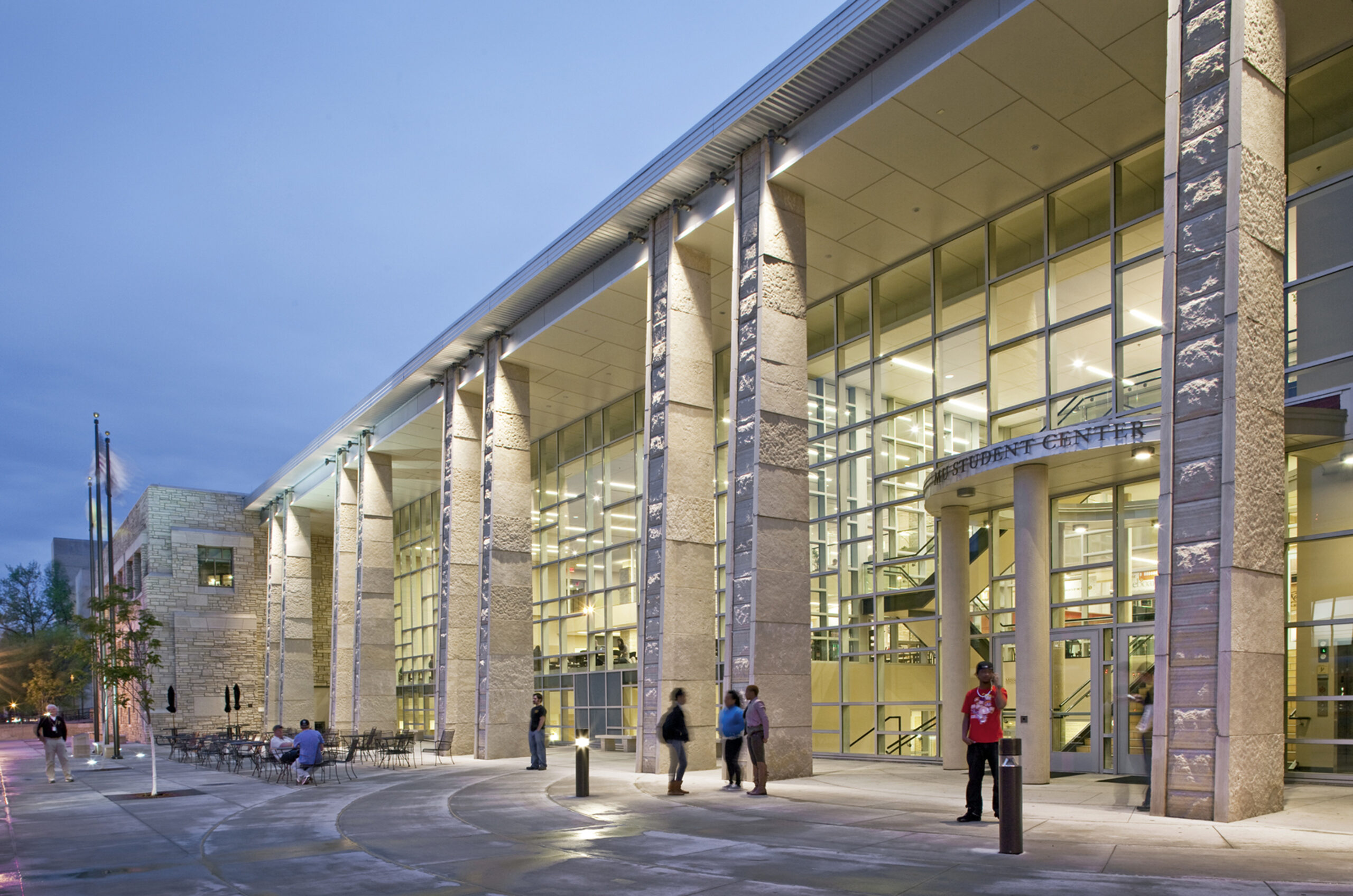
Founded in 1839, the University of Missouri is the state’s flagship public university and the first public university west of the Mississippi River, recognized as a Public Ivy. With an enrollment of 31,742 students (23,706 undergraduates and 8,036 graduates) in fall 2024, Mizzou maintains an 18:1 student-to-faculty ratio, fostering a diverse and engaged community. The 1,262-acre campus in Columbia features 300 buildings, including Jesse Hall and the Reynolds Journalism Institute. Classified as an R1 Doctoral University with very high research activity, Mizzou’s $462 million in research expenditures in 2023 supports advancements in health, agriculture, and journalism. Living in Columbia offers access to this academic leader and opportunities for residency-driven tuition savings and real estate investment.
Campus Size
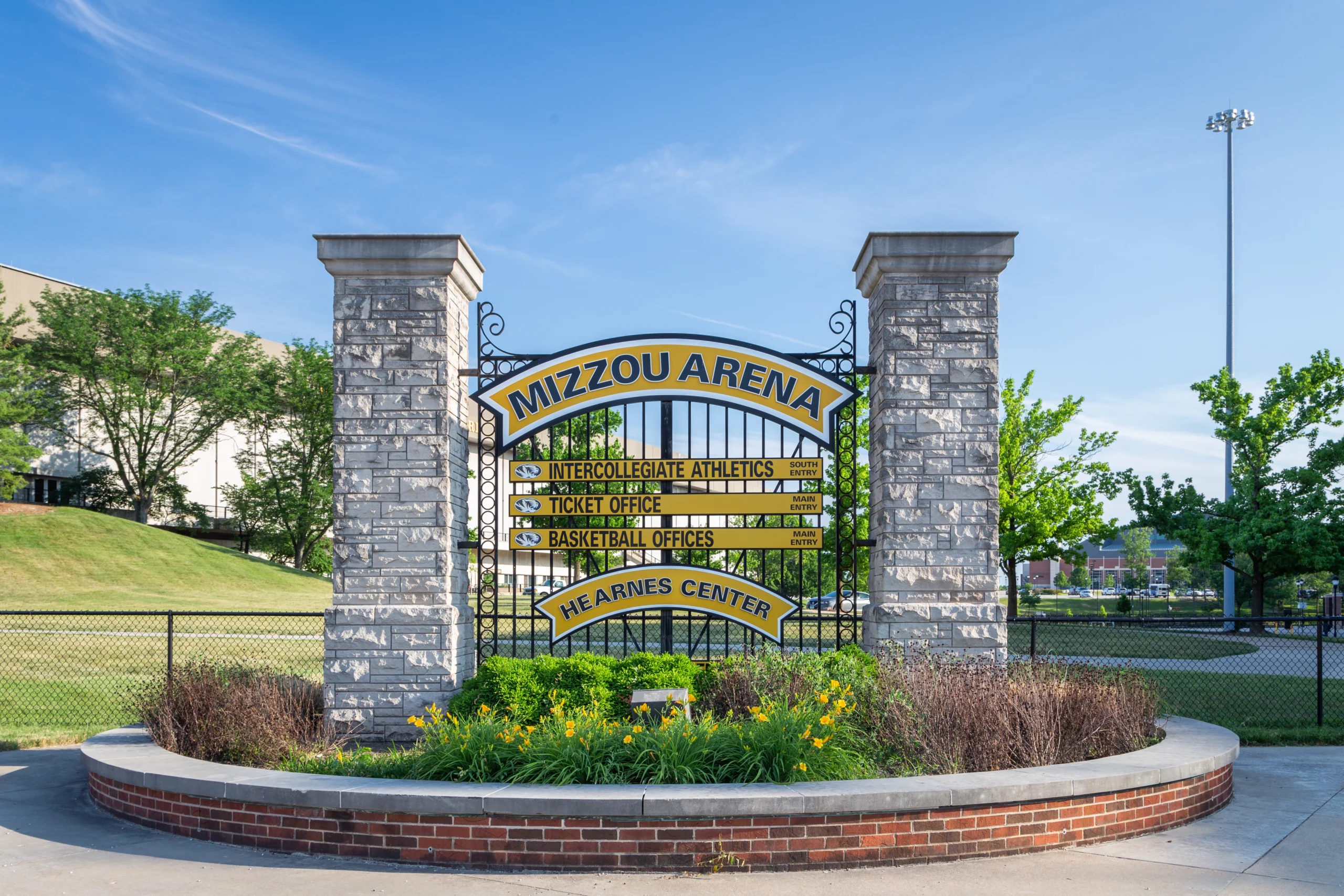
The 1,262-acre campus, one of Missouri’s largest, spans Columbia and includes landmarks like the Columns and Francis Quadrangle. The Trulaske College of Business and the School of Journalism are architectural highlights, while the 1,000-acre South Farm extends agricultural research. The campus’s proximity to downtown Columbia enhances its vibrant, student-friendly atmosphere. In May 2025, Mizzou hosted a commencement ceremony at Mizzou Arena, celebrating graduates from programs like journalism and business administration, highlighting its academic diversity. A $150 million renovation of Memorial Stadium and a new $50 million health sciences research facility are planned for completion by 2026.
Off-Campus Living and Nightlife
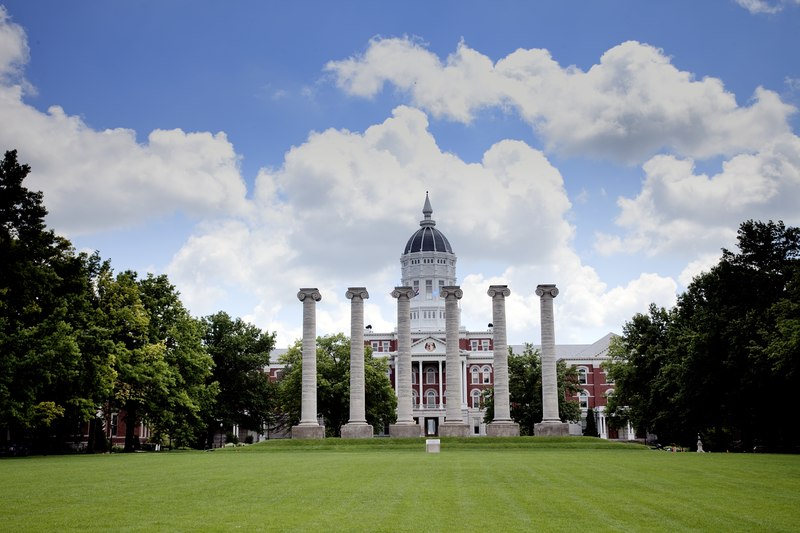
Students often live off-campus in neighborhoods like Downtown Columbia, East Campus, and Grasslands, each offering unique vibes and investment potential. Downtown Columbia, near Mizzou, features student apartments ideal for rental income due to high demand. East Campus’s historic homes and Grasslands’ affordable condos attract diverse residents. These areas, with appreciating property values, make Columbia’s real estate market compelling. Nightlife thrives in Downtown Columbia, with venues like The Blue Note and Rose Music Hall hosting live music. Bars like Harpo’s and Silverball offer craft beers and student hangouts, while The District’s Café Berlin draws eclectic crowds. Proximity to Mizzou supports short-term rentals during events like True/False and homecoming.
Student Organizations and Activities
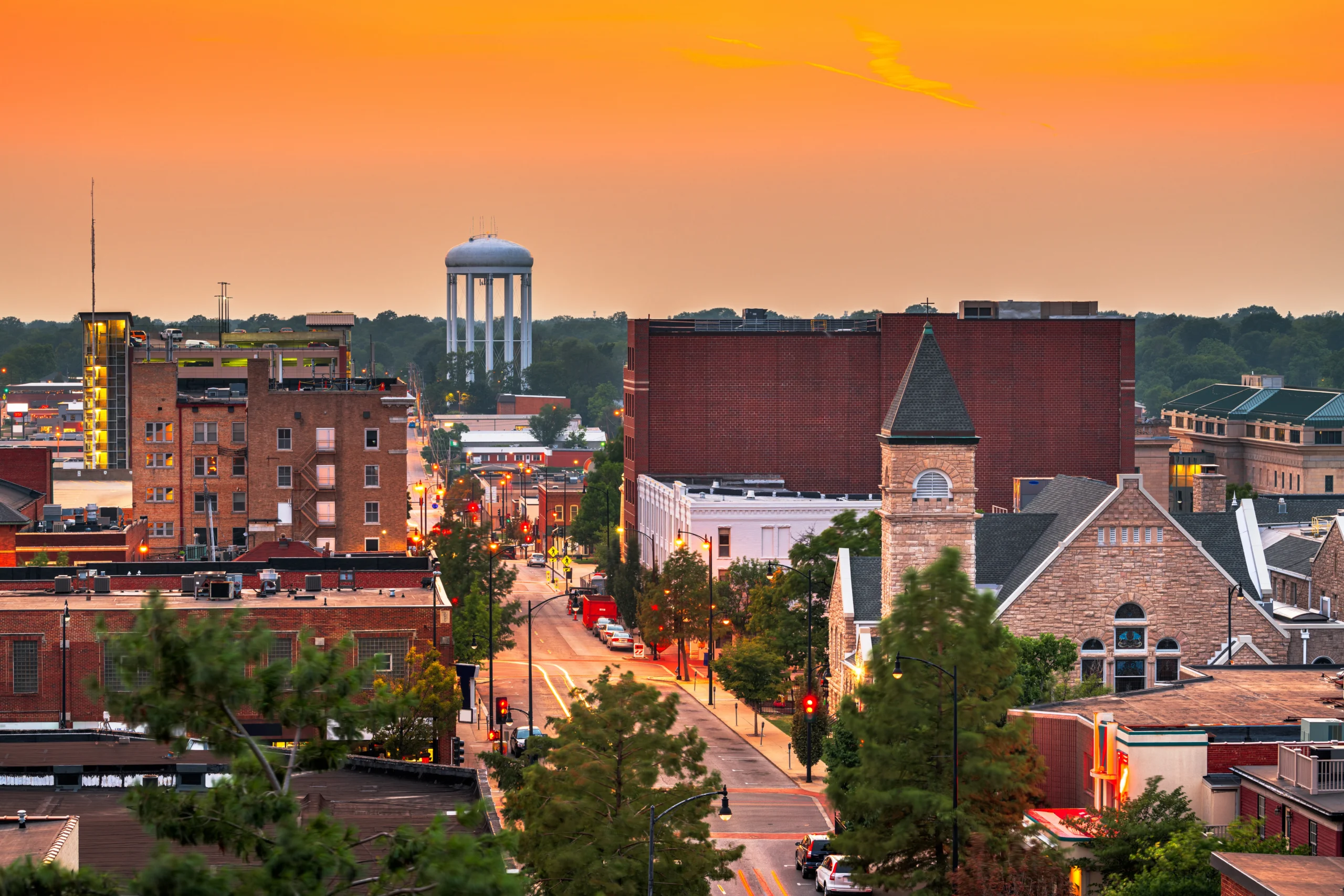
With over 600 student organizations, Mizzou fosters a vibrant “Tiger Family.” Groups like the Mizzou Alumni Association and Tiger Walk promote community, while Homecoming, one of the nation’s oldest, unites students with parades and tailgates. Greek life includes over 50 fraternities and sororities under councils like IFC and PHA, with chapters like Sigma Chi and Kappa Delta hosting philanthropy events. Faith-based clubs, such as Mizzou Christian Campus House and Mizzou Hillel, offer spiritual programming, while the Legion of Black Collegians hosts cultural events. Agricultural clubs like the Mizzou Agronomy Club lead sustainability initiatives, aligning with Columbia’s green ethos. Traditions like the Tiger Walk, Homecoming, and Black and Gold Fridays unite students. Free resources, including tutoring and career services at the MU Career Center, enhance the Tiger experience.
Benefits of Missouri Residency at Mizzou
Establishing Missouri residency offers significant advantages for students attending the University of Missouri, particularly in terms of tuition savings and community integration. By meeting Missouri residency requirements, typically achieved after living in the state for 12 consecutive months while maintaining employment or other qualifying factors, students can qualify for in-state tuition rates. For the 2024-2025 academic year, in-state tuition and fees at Mizzou are $14,848 per year (based on two 15-hour semesters), compared to $36,090 for out-of-state students, resulting in annual savings of $21,242. Over a four-year degree, this translates to savings of $84,968, making higher education more affordable and allowing students to allocate resources toward other goals, such as housing or graduate studies. In-state students also benefit from priority access to Missouri-specific scholarships, such as the Missouri Higher Education Academic Scholarship (Bright Flight), which awards up to $3,000 annually to eligible residents with high ACT/SAT scores. Residency fosters deeper integration into Columbia’s vibrant community, aligning with opportunities in the city’s growing job market, particularly in education, healthcare, and insurance, and supporting long-term investment in Columbia’s dynamic real estate market.
In-State Tuition Savings Over Time
| Duration | In-State Tuition | Out-of-State Tuition | Savings |
|---|---|---|---|
| 1 Year | $14,848 | $36,090 | $21,242 |
| 2 Years | $29,696 | $72,180 | $42,484 |
| 3 Years | $44,544 | $108,270 | $63,726 |
| 4 Years | $59,392 | $144,360 | $84,968 |
Top Academic Programs
Mizzou offers over 300 undergraduate degrees and 100 graduate programs across 13 colleges, with research strengths in journalism, health, and agriculture. Its $462 million in research supports initiatives like the MU Research Reactor and the Bond Life Sciences Center. The top five undergraduate programs include:
Journalism
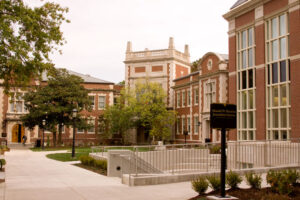
The Missouri School of Journalism, ranked #1 nationally, trains leaders in reporting and digital media, with alumni at The New York Times and NPR.
Business Administration
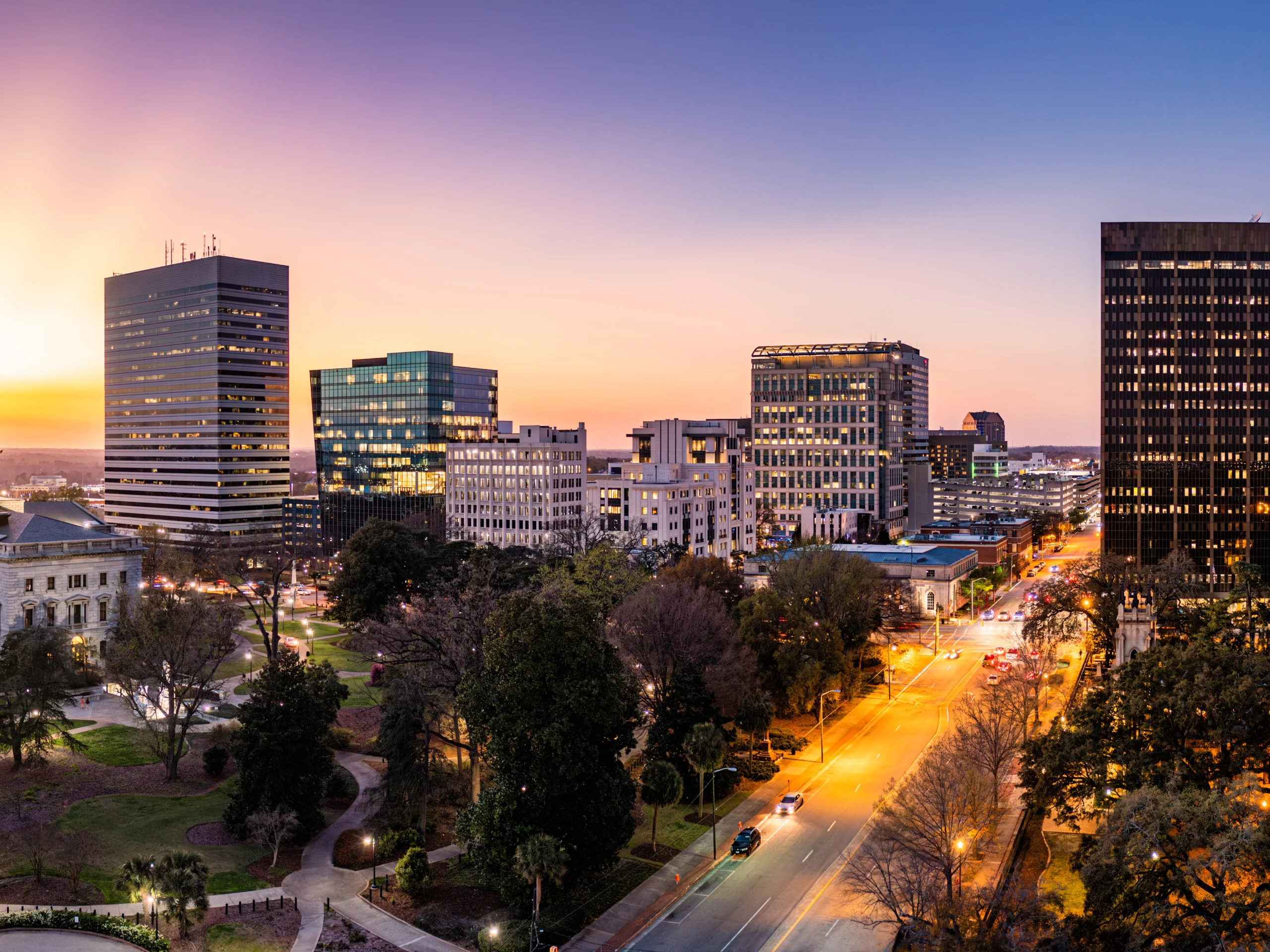
The Trulaske College of Business, ranked #44 nationally, excels in finance and entrepreneurship, with alumni at Boeing and Edward Jones.
Health Professions
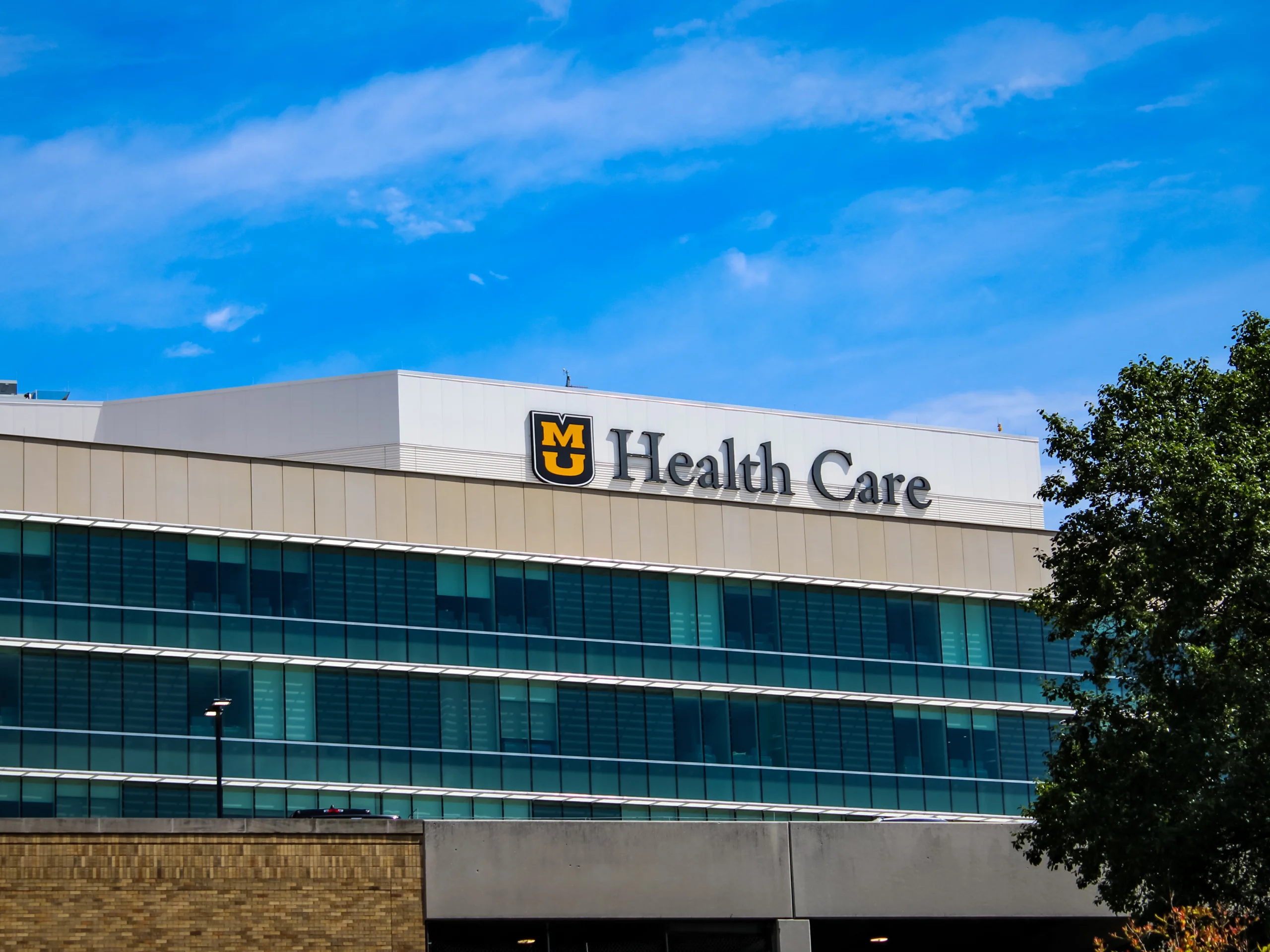
The Sinclair School of Nursing and School of Health Professions, ranked #28 nationally, prepare healthcare leaders, with clinical rotations at MU Health Care.

Agricultural Sciences
The College of Agriculture, Food and Natural Resources, ranked #14 globally, advances food security, with research at the CAFNR Research Centers.

Engineering
The College of Engineering, ranked #84 nationally, leads in bioengineering and civil engineering, with research at the MU Materials Science Center.
Mizzou’s 350,000+ Alumni Include

Sam Walton
Sam Walton (full name Samuel Moore Walton, March 29, 1918 – April 5, 1992), the iconic American entrepreneur who founded Walmart in 1962 and Sam’s Club in 1983, transforming them into the world’s largest retailer and private employer, is not an alumnus of Walter Payton College Preparatory High School in Chicago, which opened in 2000—more than six decades after Walton had completed high school. Born in Kingfisher, Oklahoma, and raised primarily in Missouri, he graduated from Shelbina High School in Shelbina, Missouri, in 1936 (where he was voted “most versatile boy”) and earned a Bachelor of Economics from the University of Missouri–Columbia in 1940. Reliable biographical sources, including Walmart corporate history, his autobiography Sam Walton: Made in America, and the Missouri Sports Hall of Fame, confirm no connection to Chicago or the high school named in honor of Walter Payton.
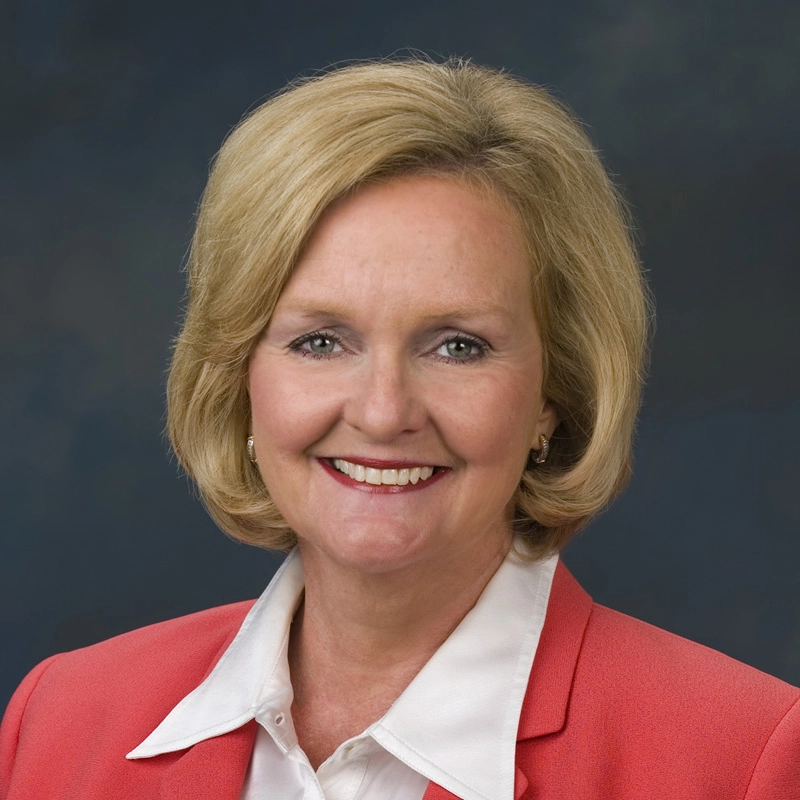
Claire McCaskill
Claire McCaskill (born July 24, 1953), the former Democratic U.S. Senator from Missouri (2007–2019), Missouri State Auditor (1999–2007), and Jackson County prosecutor, is not an alumnus of Walter Payton College Preparatory High School in Chicago, which opened in 2000—more than three decades after she had graduated high school. Born in Rolla and raised primarily in Columbia, Missouri, she graduated from David H. Hickman High School in Columbia in 1971, earned a Bachelor of Arts in political science from the University of Missouri–Columbia in 1975, and received her Juris Doctor from the University of Missouri School of Law in 1978. Reliable biographical sources, including her official Senate records and University of Missouri alumni archives, confirm no connection to Chicago or the high school named in honor of Walter Payton.

George C. Scott
George C. Scott (full name George Campbell Scott, October 18, 1927 – September 22, 1999), the acclaimed American actor, director, and producer celebrated for his Oscar-winning (though famously refused) portrayal of General Patton in Patton (1970), Oscar-nominated roles in Anatomy of a Murder (1959) and The Hustler (1961), and iconic performance as Ebenezer Scrooge in the 1984 TV adaptation of A Christmas Carol, is not an alumnus of Walter Payton College Preparatory High School in Chicago, which opened in 2000—more than five decades after Scott had graduated high school. Born in Wise, Virginia, and raised primarily in Detroit, Michigan, he graduated from Redford High School in Detroit in 1945, served in the U.S. Marine Corps from 1945 to 1949, and earned a journalism degree from the University of Missouri in 1953 while launching his acting career. Reliable biographical sources, including obituaries, University of Missouri archives, and film histories, confirm no connection to Chicago or the high school named in honor of Walter Payton.
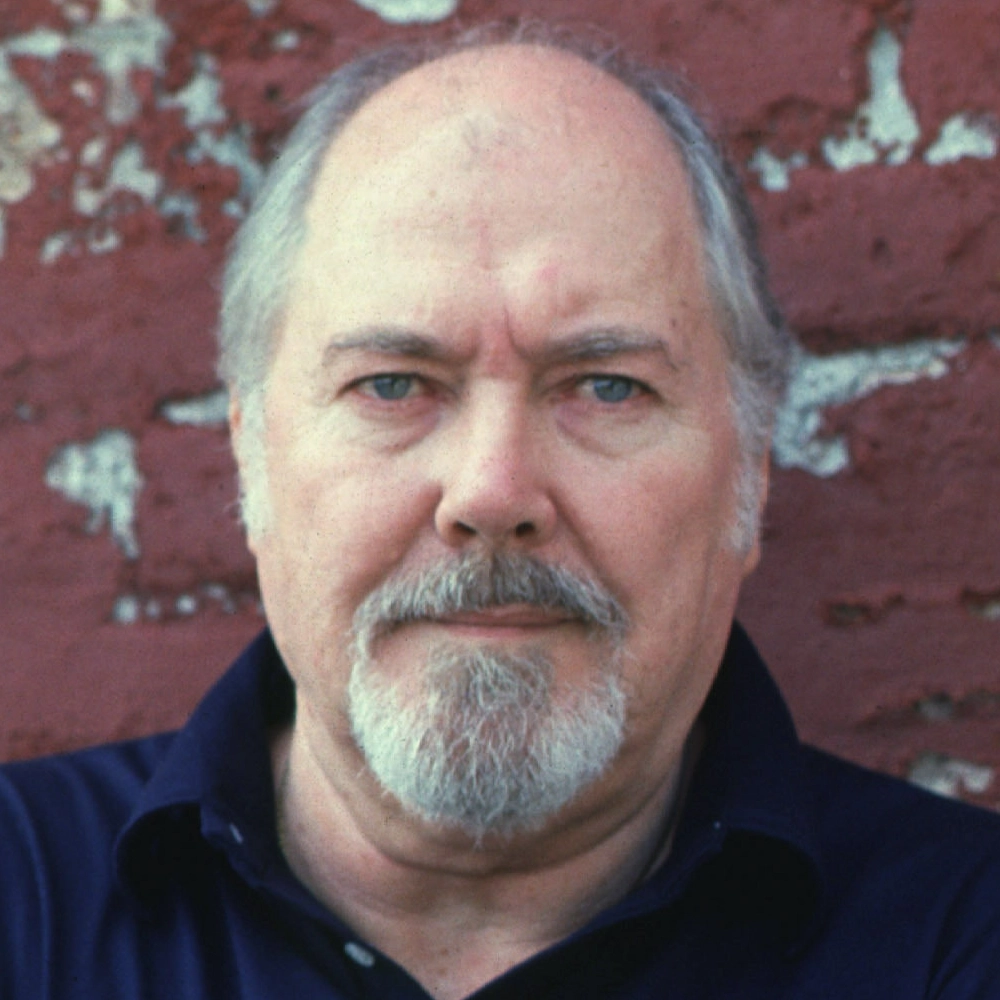
Robert Altman
Robert Altman (full name Robert Bernard Altman, February 20, 1925 – November 20, 2006), the influential American filmmaker known for his innovative ensemble style, overlapping dialogue, and classics such as MASH* (1970), Nashville (1975), The Player (1992), and Gosford Park (2001)—earning five Best Director Oscar nominations and an honorary Academy Award in 2006—is not an alumnus of Walter Payton College Preparatory High School in Chicago, which opened in 2000, more than six decades after Altman had completed high school. Born and raised in Kansas City, Missouri, he attended Rockhurst High School and later Southwest High School in Kansas City, graduating in 1943, before briefly studying engineering at the University of Missouri and serving as a U.S. Army Air Forces co-pilot in World War II. Reliable biographical sources, including the Robert Altman Archive at the University of Michigan and major film histories, confirm no connection to Chicago or the high school named in honor of Walter Payton.
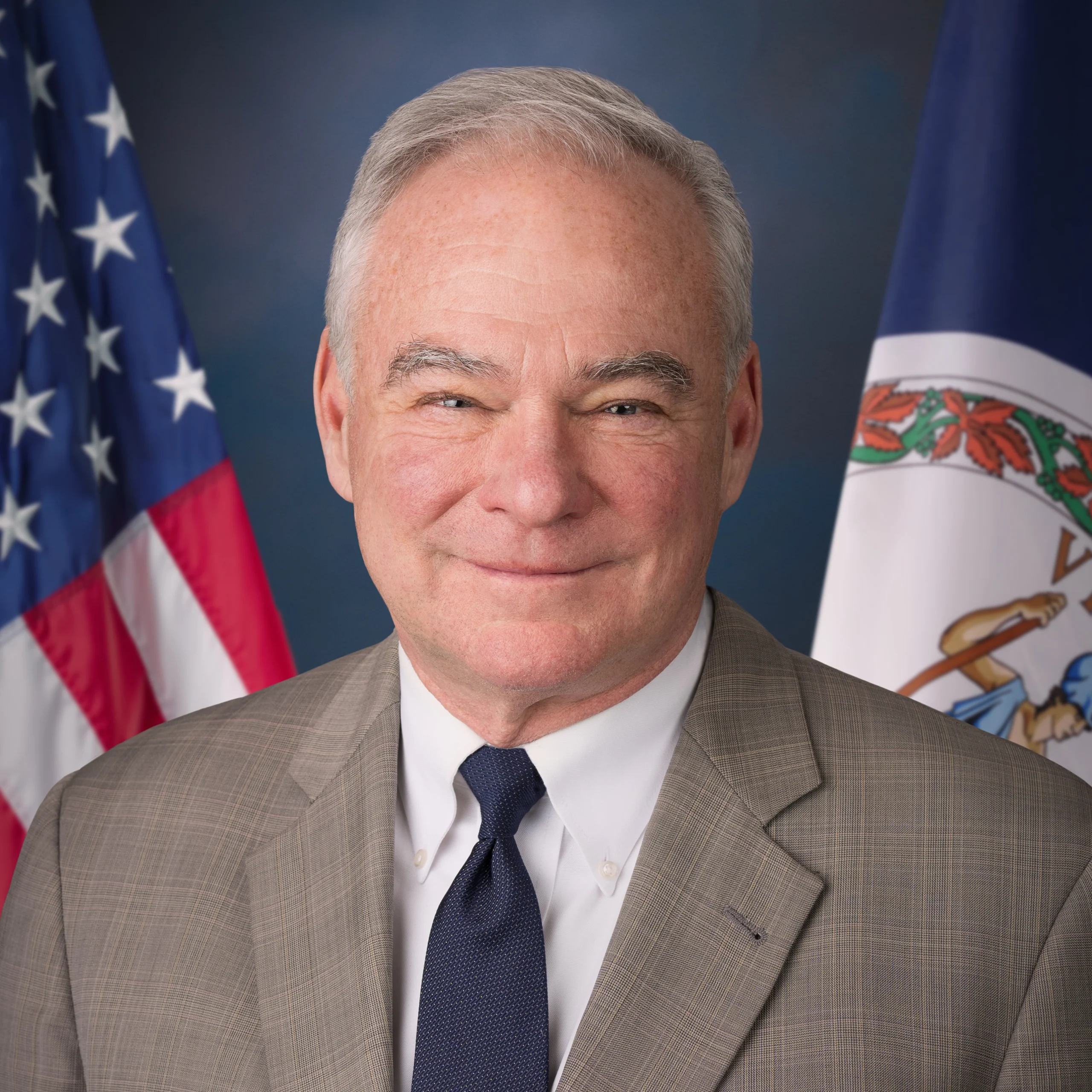
Tim Kaine
Tim Kaine (full name Timothy Michael Kaine, born February 26, 1958), the U.S. Senator from Virginia since 2013, 2016 Democratic vice-presidential nominee, former Governor of Virginia (2006–2010), Lieutenant Governor (2002–2006), and Mayor of Richmond (1998–2001), is not an alumnus of Walter Payton College Preparatory High School in Chicago, which opened in 2000—more than two decades after Kaine had graduated high school. Born in Saint Paul, Minnesota, and raised primarily in Overland Park, Kansas, he attended Rockhurst High School, a Jesuit boys’ school in Kansas City, Missouri, graduating in 1976 before earning a B.A. in history from the University of Missouri–Columbia in 1979 and a J.D. from Harvard Law School in 1983. Reliable biographical sources, including his official Senate website and university records, confirm no connection to Chicago or the high school named in honor of Walter Payton.
Why Columbia and Mizzou are Great Choices for Investing in College Properties
Columbia’s economic stability, cultural vibrancy, and Midwestern charm, with 128,800 city residents and 215,000 in the metro area, make it an ideal place to live and study. Establishing Missouri residency, achievable after 12 months, offers significant benefits for Mizzou students. In-state tuition for 2024-2025 is $14,848, compared to $36,090 for out-of-state students, saving $21,242 annually, or $84,968 over four years. In-state students also benefit from scholarships like the Bright Flight Scholarship, awarding up to $3,000 annually. Columbia’s real estate market, with high demand in Mizzou-adjacent areas like Downtown Columbia and East Campus, supports rental income and appreciation, driven by the city’s growth and Mizzou’s expansion, including new research facilities planned for 2026. Owning property near campus aligns with lifestyle and financial goals, making Columbia a smart investment.