

University of Alabama in Tuscaloosa
Study, Work, Live & Play in Tuscaloosa, AL
Nestled along the Black Warrior River in west-central Alabama, the University of Alabama combines respected public research education with the electric atmosphere of a historic college town, legendary Crimson Tide legacy, and strong regional momentum. Tuscaloosa provides an engaging setting where academic ambition meets Southern tradition and community pride, attracting students, professionals, and families drawn to spirited game days, cultural depth, and a sense of belonging. From storied campus landmarks and research opportunities to riverfront trails and vibrant local events, Tuscaloosa creates experiences that foster achievement and enduring connections.
Study in Tuscaloosa, AL
The University of Alabama stands as a flagship of higher learning, pulling in dedicated students from across the country and internationally with its challenging curricula, practical experiences, and profound sense of history. In U.S. News & World Report’s 2026 rankings, UA holds No. 169 among National Universities and No. 92 among Top Public Schools, with notable strengths in business programs ranked highly among public options. Niche recognizes it for outstanding student life, placing it among top colleges nationally for campus experience and inclusivity, while The Princeton Review and other sources highlight its lively environment that supports student satisfaction and involvement.
Spanning a 1,200-acre campus highlighted by the massive Bryant-Denny Stadium and the elegant Denny Chimes bell tower, students pursue applied learning through the Office for Undergraduate Research, including programs like the Research Apprenticeship Program for early involvement and faculty-mentored projects across fields. Key attractions encompass the Paul W. Bryant Museum chronicling Crimson Tide football heritage, the historic Denny Chimes with its carillon melodies and Walk of Fame handprints from legends, and the Alabama Museum of Natural History’s extensive collections. Traditions such as the Walk of Champions, pre-game elephant stomps, and ringing the victory bell after wins build unbreakable loyalty. With R1 research designation and a devoted Roll Tide community, UA offers an exceptional foundation for scholars aiming for personal excellence and meaningful contributions.
Work in Tuscaloosa, AL
Tuscaloosa’s employment landscape grows reliably, bolstered by university influence, industrial strength, and ongoing expansions that earned recent acclaim for job creation in Alabama. The University of Alabama delivers a record $3.4 billion statewide economic impact (with $2.4 billion in the local metro area), supporting thousands of positions and driving fiscal returns through education, research, and events like home football games.
Major contributors include Mercedes-Benz U.S. International and BFGoodrich in manufacturing, alongside the DCH Health System in healthcare, creating stable opportunities in advanced production, medical services, and support roles. Low unemployment and a blend of academic, industrial, and service jobs build a solid platform for career progression in a dynamic yet grounded college town that values collaboration and long-term stability.
Live in Tuscaloosa, AL
Tuscaloosa offers a hospitable, balanced way of life with solid community ratings for safety, affordability, and resident satisfaction, making it appealing for families, students, and professionals alike. The culinary landscape spans authentic Southern flavors from iconic ribs at Dreamland Bar-B-Que and Archibald’s BBQ to refined contemporary dishes at River, plus a wide array of local eateries reflecting regional heritage.
Plenty of sunny days encourage exploration along the Tuscaloosa Riverwalk for biking and strolling, Lake Nicol for kayaking and picnics, or the nearby Sipsey Wilderness for peaceful hiking. Neighborhoods emphasize Southern warmth, with welcoming gatherings and a mix of historic charm and modern conveniences. Tuscaloosa’s combination of college vibrancy, family-oriented resources, and consistent growth forms a comfortable base where residents build strong ties and enjoy everyday quality.
Play in Tuscaloosa, AL
Tuscaloosa energizes with Crimson Tide passion and local celebrations, featuring signature gatherings that unite crowds: the Druid City Arts Festival (April 10-11, 2026) downtown with juried art, live music, and vendors; the Kentuck Festival of the Arts (October 17-18, 2026) showcasing folk and contemporary creators, demonstrations, and Southern craft; and the thunderous game days at Bryant-Denny Stadium complete with traditions like the Walk of Champions. Outdoor options include the Black Warrior River for paddling, Riverwalk paths for scenic views, and Sipsey Wilderness trails for nature immersion.
Experiences extend to exploring the Paul W. Bryant Museum’s football memorabilia, attending shows at the Tuscaloosa Amphitheater or Bama Theatre, or joining seasonal festivities with food, music, and community spirit. Whether cheering from the stands, wandering riverfront events, or participating in arts and heritage activities, Tuscaloosa supplies a rich lineup of engaging recreation rooted in Alabama pride and authentic enthusiasm.
Learn Your History & Stats
College History
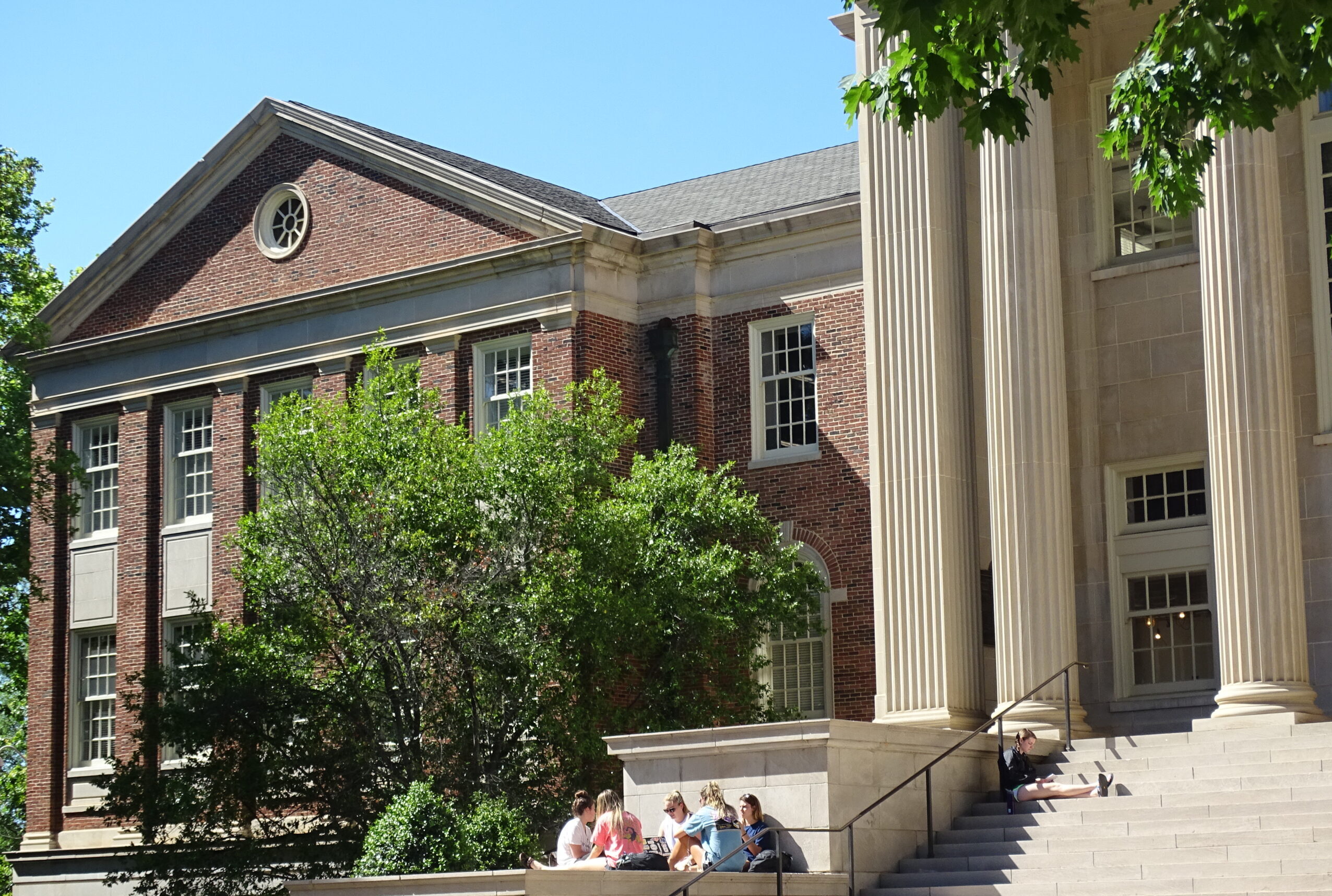
Established in 1831 as Alabama’s first public university and the state’s enduring flagship, the University of Alabama has risen from its antebellum origins—rebuilt after Civil War-era devastation in 1871—to become a premier R1 Doctoral University with very high research activity. Pivotal chapters include welcoming women in 1892, full integration in the 1960s amid national civil rights progress, and the development of storied traditions that bind the Crimson Tide community. UA has cultivated exceptional alumni such as Harper Lee (Pulitzer Prize-winning author of To Kill a Mockingbird), Joe Namath (NFL Hall of Famer and Super Bowl legend), Winston Groom (bestselling author of Forrest Gump), Mel Allen (iconic Yankees broadcaster), and leaders in government, law, and media. The Culverhouse College of Business propels forward with its undergraduate programs ranked No. 31 among public business schools (U.S. News & World Report 2025-26), bolstered by hands-on initiatives, entrepreneurship resources, and deep connections to Alabama’s business sector for enhanced innovation and graduate outcomes. The School of Law ranks No. 31 nationally (U.S. News & World Report 2025-26), standing out as a premier public value with top salary-to-debt ratios, strong offerings in trial advocacy and business law, exceptional bar passage rates, and robust placement in legal careers throughout the region. The University of Alabama impresses in top academic rankings, holding No. 92 among public universities and No. 169 nationally (U.S. News & World Report 2026), with competitive global positions (QS World University Rankings 2026 at 801-1000) and features in Times Higher Education, affirming its R1 research momentum—exceeding $269 million in recent sponsored awards—alongside excellence in health sciences, engineering, humanities, and the passionate Crimson Tide heritage seen in traditions like the Walk of Champions and Bryant-Denny Stadium energy.
Student Population and Housing Market Insights
Surpassing 42,000 students in fall 2025 (approximately 35,000 undergraduates and over 7,000 graduates amid record growth), the University of Alabama draws an energetic, largely Southeastern student body, with Alabama residents comprising the majority (typically 60% or more), joined by out-of-state students from every state and a vibrant international group from nearly 100 countries. On-campus residence halls accommodate roughly 20-25% of students (with freshmen participation much higher), while the predominant share—about 75-80%—opt for off-campus options in apartments, rental houses, or Greek facilities across Tuscaloosa. This steady off-campus preference sustains a solid rental market in central zones like ZIP 35401 (core campus vicinity) and surrounding areas such as ZIP 35405 and 35406. Over the past 15 years, home values in these ZIP codes have advanced notably, supported by UA’s enrollment climbs, research expansion, and Tuscaloosa’s rising status as a dynamic college community, offering rewarding long-term returns for owners per Zillow and CoreLogic insights (with medians in the $200,000-$240,000 range and ongoing positive trends). Many investors leveraging platforms like collegehomes.com identify varied paths to capitalize in the University of Alabama markets, thanks to the plentiful student renters ensuring reliable, year-round demand. In addition, Alabama residents reap considerable in-state tuition benefits, typically saving well over $100,000 across four years compared to out-of-state rates, rendering UA a standout, accessible flagship for families committing to roots in the state.
Off-Campus Living and Nightlife in Tuscaloosa
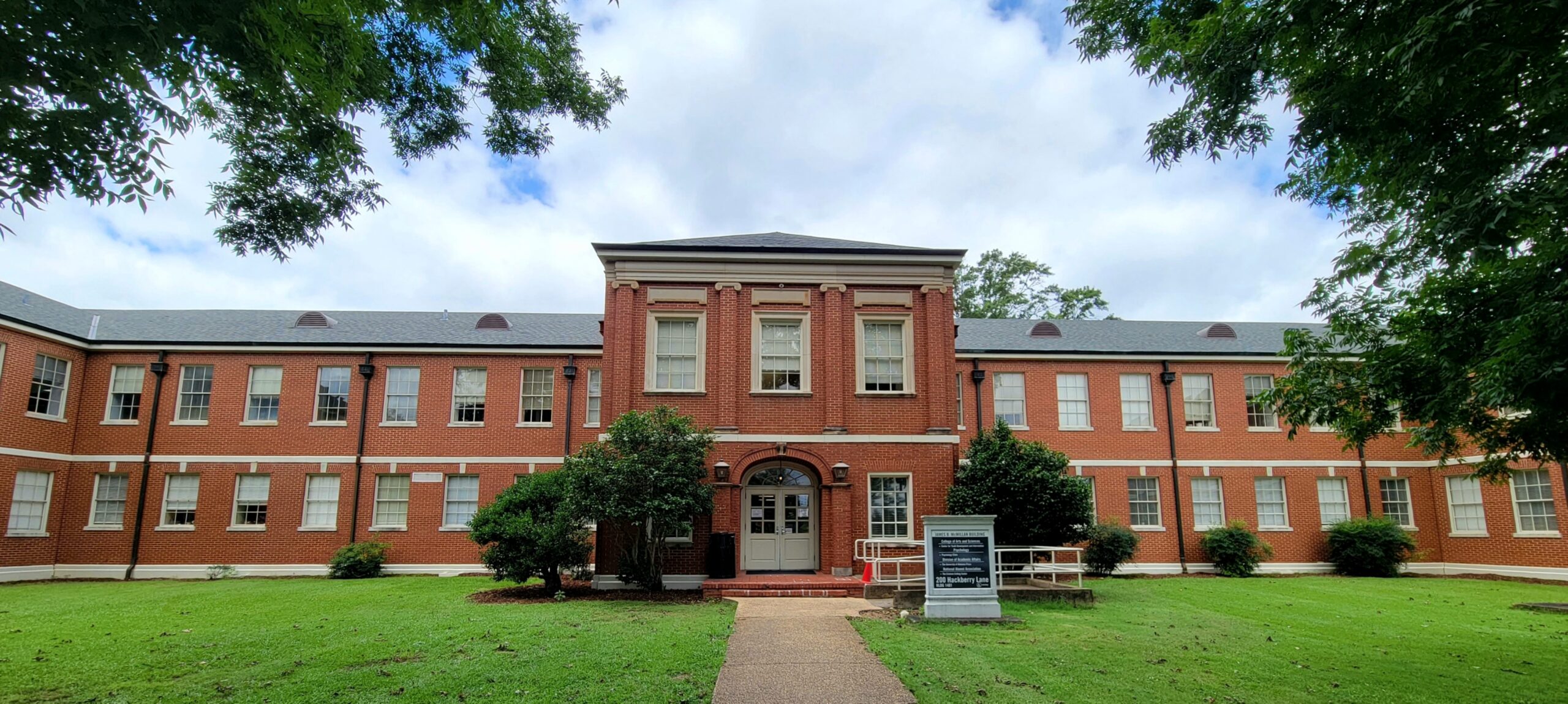
Students at the University of Alabama flock to energetic off-campus neighborhoods like The Strip (ZIP 35401), Downtown Tuscaloosa, and areas near Northport, all within a quick 1- to 2-mile walk, bike ride, or shuttle from campus. These areas combine historic appeal, modern amenities, and lively community energy, attracting undergrads, grads, and young professionals alike. The Strip pulses as the core of student living, lined with contemporary apartments and converted historic homes featuring amenities like pools, fitness centers, and study lounges—perfect for managing demanding classes and vibrant social scenes while supporting high rental demand. Popular complexes include Tradition on the 50, renowned for luxury finishes, furnished units, and prime proximity to Bryant-Denny Stadium; Union on Frank, a brand-new community with modern designs, rooftop views, and easy campus access; The Crimson, offering spacious layouts, clubhouses, and gated security; and Redpoint Tuscaloosa, boasting resort-style pools, game rooms, and walkable convenience near The Strip.
Downtown Tuscaloosa enchants with its urban charm—lofts in restored buildings, tree-lined streets, and a walkable vibe filled with breweries, shops, and cultural spots, ideal for those desiring a more sophisticated residential feel close to campus. Northport draws families and quieter crowds with suburban homes, parks, and a relaxed atmosphere, just a short drive or bridge crossing away. These neighborhoods not only connect via UA shuttles and Tuscaloosa Trolley but also promote independence with nearby groceries, eateries, and riverfront trails, making off-campus life a natural extension of the Crimson Tide experience.
Tuscaloosa Rental Market
The rental market within 1.5 miles of the University of Alabama, particularly in ZIP codes 35401 (The Strip/Downtown) and nearby areas, caters heavily to the university’s 42,000+ students. Modern apartments and shared houses dominate The Strip and surrounding zones due to consistent demand. As of early 2026, average rents in these areas range approximately $1,200–$1,800/month, above the citywide average of around $1,000–$1,400. Below are rental stats for student-centric properties:
- Average Rent per Bedroom: $600–$900, with premium units on The Strip often exceeding $1,200 for luxury apartments near campus.
- Studio Apartments: $900–$1,400/month, with budget options in Northport (~$800) and upscale spots Downtown (~$1,500).
- 1-Bedroom Apartments: $1,000–$1,500/month, averaging $1,200 in 35401. Affordable choices nearby start at $900.
- 2-Bedroom Apartments: $1,400–$2,000/month, with The Strip averages at $1,600. Shared rentals reduce costs (e.g., $800/person).
- 3-Bedroom Apartments/Houses: $1,800–$2,800/month, ideal for student groups. Downtown options around $2,200.
Smart housing options, like roommate shares or pre-leased units via apartment locators, help students manage costs. High demand during fall semesters drives early leasing on The Strip, while short-term rentals thrive during football games and events like the Iron Bowl. Data sources: Zillow, RentCafe, Apartments.com, UA off-campus housing resources.
Nightlife in Tuscaloosa
Tuscaloosa’s nightlife surges with Crimson Tide passion, frequently ranked among the best college town scenes for its fusion of live music, dive bars, and explosive game-day energy. The Strip and Downtown districts provide walkable or quick-ride access from campus—especially during massive events like football Saturdays at Bryant-Denny Stadium in fall and festivals, when short-term rentals boom with crowds.
The Strip (35401) holds iconic status for its college bar heritage, featuring historic spots like Gallette’s patios pouring the famous Yellowhammer cocktail and spilling rowdy vibes onto University Boulevard. The area’s lively dives create a high-energy, party atmosphere with drink specials and games, while Downtown Tuscaloosa adds eclectic flair with breweries and lounges for varied nights out.
Newer Twists on Tuscaloosa’s Nightlife Scene
Tuscaloosa’s nightlife keeps evolving with fresh live music venues, craft breweries, and hybrid spots, rooted in game-day traditions but embracing diverse crowds—from energetic undergrad parties to more refined gatherings.
Gallette’s: This Strip legend since 1976 serves as a cornerstone with its signature Yellowhammer drinks, Wine Wednesdays, and packed crowds—elevating the area’s status as a high-energy hub with post-game buzz.
Rounders: The bustling core thrives on sports-bar chaos, rooftop stages, and spots for pre-gaming or late-night fun—enhanced atmospheres make it a staple for unfiltered excitement, especially during rivalry spectacles.
Twelve25: This polished venue draws a 21+ crowd with DJ vibes, dance floors, and specials at spots offering themed nights—blending Tuscaloosa’s spirited energy with upscale flair for all-night adventures.
Old Favorites Holding Strong: Innisfree Irish Pub for cozy pints and trivia; Druid City Brewing Co. for craft beers and live sets in The Moon Room; Egan’s Irish Pub for gritty charm, cheap drinks, and legendary history.
Downtown Gem: Rhythm & Brews: This honky-tonk offers a relaxed escape with live bands, line dancing, mechanical bull, and hearty grub alongside local brews and occasional comedy.
The Strip’s “Roll Tide haven” rise with craft spots and lively dives attracts nightlife seekers from quieter areas, showcasing Tuscaloosa’s resilient, vibrant energy.
Fueling Up: Great Eateries, Coffee Houses, and Breakfast Spots
Tuscaloosa’s food scene excels near UA, with late-night bites, study-friendly coffee, and hearty brunches—many spots doubling as hangouts with generous portions and student-friendly prices.
Eateries for Late-Night or Anytime Cravings:
- Quick Grill (The Strip): Open-air spot for burgers and late-night eats—perfect post-party fuel.
- Five Bar (Downtown): Elevated comfort food with global twists and extended hours.
- Moe’s Original BBQ (multiple locations): Pulled pork, wings, and game-day specials for satisfying bites.
Coffee Houses for Study Sessions or Buzz:
- Monarch Espresso Bar (Downtown): Cozy with expert lattes, pastries, and productive vibes—ideal for all-nighters.
- Strange Brew (near campus): Bold brews, seasonal drinks, and relaxed spaces for focused work.
- Heritage House (various spots): House-roasted beans with cozy atmosphere and light bites.
- PJ’s Coffee (The Strip): Convenient pour-overs, iced options, and patio energy near nightlife.
Breakfast Spots to Start (or Recover) the Day:
- Just Love Coffee Cafe (multiple): Waffled creations, breakfast plates, and strong coffee—worth the lines for hearty starts.
- Five Bar (Downtown): Creative brunch like pancakes and spiked options.
- Glory Bound (near campus): Mediterranean-inspired dishes with outdoor seating and bottomless coffee.
- City Cafe (Northport): Classic Southern omelets and biscuits in a sunny, family-friendly diner.
- Another Broken Egg Cafe (nearby): Chef-driven plates like migas and ricotta pancakes for recovery fuel.
From The Strip apartment hunts to Downtown bar crawls, Tuscaloosa’s off-campus world keeps the momentum rolling—game nights flowing into strong coffee mornings. Embrace the “Roll Tide” spirit; the excitement (and adventures) are part of the fun.
Student Organizations and Activities at The University of Alabama
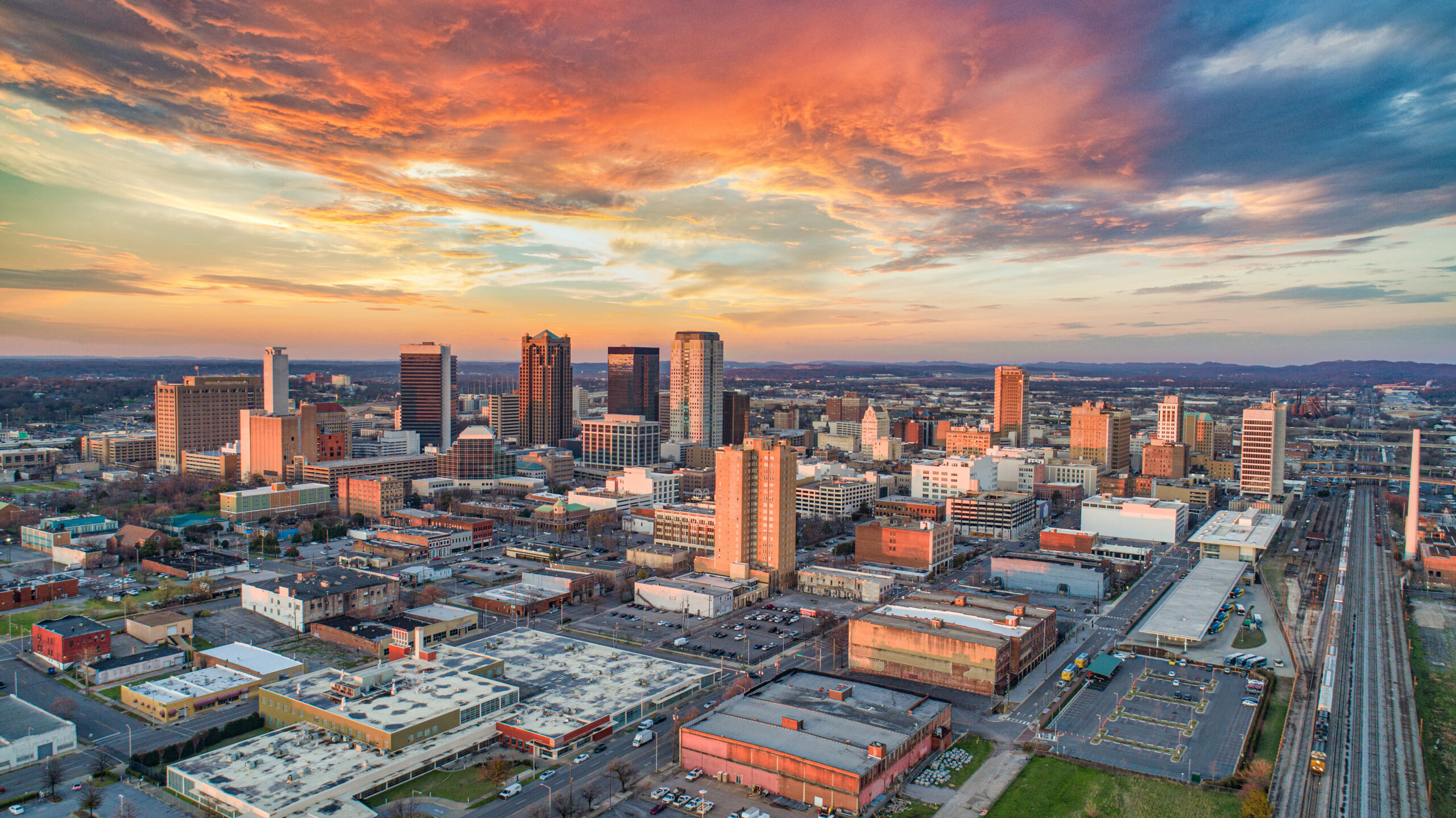
Boasting more than 650 registered student organizations, The University of Alabama in Tuscaloosa nurtures a passionate “Crimson Tide Family” where academics, storied traditions, and deep-rooted connections thrive across a historic campus in west Alabama. From iconic Walk of Champions processions into Bryant-Denny Stadium to lively gatherings cheering “Roll Tide” chants, student life vibrates with supportive resources like academic tutoring and career guidance, enduring customs such as homecoming bonfires and the Capstone’s timeless spirit, and an inviting atmosphere celebrating service, leadership, intellectual exploration, and Southern pride in the heart of Tuscaloosa.
Sports and Recreational Clubs
Athletic participation anchors Bama life through Intramural Sports at University Recreation (UREC), pulling in thousands for leagues every semester. Whether launching passes in flag football, smashing serves in sand volleyball, or clashing in dodgeball battles, programs embrace all skill levels—no background needed. Standout choices include basketball, indoor soccer, ultimate frisbee, racquetball, softball, and cornhole. Teams rally via residence halls, Greek councils, friends, or as independents, with registration on IMLeagues and free or low-cost access for students. Leagues feature playoffs and awards, fueling the program’s lively competition and inclusive energy.
For heightened challenges, more than 30 sport clubs offer structured competition, spotlighting unique pursuits like rugby, crew, fencing, ice hockey, triathlon, and bass fishing. These student-governed teams battle regionally and nationally, fostering leadership with dedicated practices, travel, and adventures—ideal for balancing rigorous studies with teamwork, lasting friendships, and thrills at UREC facilities or nearby outdoor venues.
Faith and Identity Communities
Spiritual discovery and cultural connection flourish in vibrant spaces welcoming diverse beliefs and heritages. With nearly 30 religious organizations through UA Religious Life, options abound for exploration. Groups like the Baptist Campus Ministry provide worship services, Bible studies, and community outreach; the Catholic Student Center hosts Masses, small groups, and retreats; while the Muslim Students Association offers prayer facilities, educational events, and fellowship amid campus hustle.
Further networks expand possibilities: Hillel supports Jewish life with cultural programming and Shabbat gatherings; InterVarsity Christian Fellowship and Cru deliver non-denominational Bible studies and worship nights; and organizations such as the Afro American Gospel Choir, Wesley Foundation, and interfaith coalitions create inclusive havens. These groups weave spiritual growth with social bonds and Tuscaloosa-area service projects, offering reflective spaces for personal and communal development.
Political and Ideological Engagement
Fueled by policy interest and civic duty? UA’s political landscape covers the spectrum with venues for debate, advocacy, and development. Turning Point USA promotes conservative values through prominent speakers, tabling, and events that often spark widespread campus discussions on liberty and limited government. Counterparts include UA College Republicans for policy advocacy and social gatherings, alongside UA College Democrats organizing voter initiatives, progressive causes, and community events.
Bipartisan efforts shine through groups like Common Ground, hosting cross-ideological debates and dialogues between Republicans and Democrats. Intellectual enhancement arrives via debate teams, Model UN, and policy clubs, refining skills in formats like public forum and Lincoln-Douglas—practices open to newcomers. These organizations sharpen critical analysis, equipping future leaders for civil discourse in Tuscaloosa’s energetic civic scene.
From joining the Walk of Champions roar, contributing to service initiatives, or excelling in an intramural ultimate frisbee clash, UA student life is built—one tradition, one game day, one authentic connection at a time. Locate your spot via The Source (thesource.ua.edu), involvement fairs, or features in The Crimson White. Roll Tide.
Benefits of Investing in Properties Near The University of Alabama
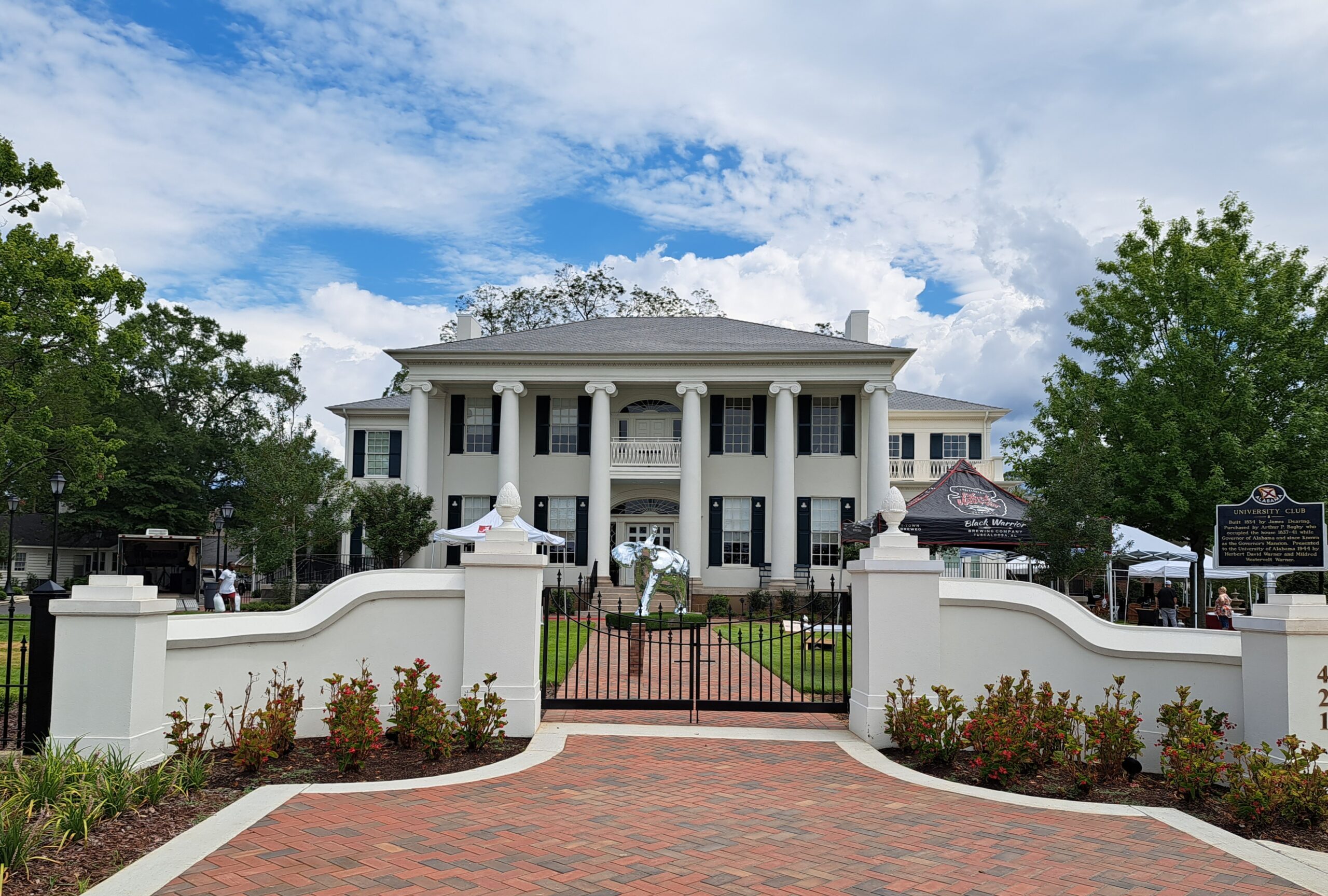
Investing in real estate near The University of Alabama can provide a strong blend of tuition affordability, dependable rental income, sustained equity buildup, and meaningful family opportunities. In high-demand neighborhoods like The Strip, Downtown Tuscaloosa, and areas near University Boulevard, properties capitalize on steady demand from a massive student population, bolstered by Tuscaloosa’s robust economy in advanced manufacturing, automotive industries through Mercedes-Benz U.S. International, healthcare, and emerging sectors, making it a dynamic hub in West Alabama for growth and stability.
Unlocking In-State Tuition Savings
Alabama residency rules permit families to access sharply lower in-state tuition by establishing domicile, frequently via property ownership and supporting connections. Out-of-state undergraduate tuition at The University of Alabama substantially outpaces in-state rates, producing considerable annual savings—for example, recent figures indicate in-state tuition around $11,990 to $12,484 compared to over $33,740 to $35,342 for non-residents. Secure a condo or home in sought-after locations like those close to campus or The Strip, allow your student to reside there (typically sharing with roommates), and build residency evidence through documents such as the property deed, Alabama driver’s license, voter registration, and additional domicile proofs. After 12 consecutive months in the state, reclassification is generally straightforward, securing reduced rates potentially from the sophomore year forward and creating significant cost savings throughout the entire degree program.
Generating Strong Rental Cash Flow
The enduring high enrollment at The University of Alabama drives constant demand, ensuring prime properties near campus stay occupied with minimal vacancy. Contemporary condos or family homes in key zones rent swiftly at appealing per-bedroom rates, often producing revenue that meets or exceeds ongoing expenses. Strategic financing combined with roommate configurations commonly enables rental income to cover mortgage principal and interest, taxes, insurance, and HOA fees—achieving neutral or positive monthly cash flow immediately. Ongoing rent adjustments aligned with local market conditions continue to improve yields, rendering the property effectively self-funding while offering your student practical, convenient campus-adjacent living.
Building Equity Through Appreciation and Paydown
Tuscaloosa’s core neighborhoods surrounding The University of Alabama have shown reliable, consistent property value increases driven by restricted supply and the steady stream of students, professionals, and families attracted to the area’s economic vitality and industrial strength. Paired with consistent principal reduction through mortgage payments primarily funded by tenants, equity grows steadily over the years. This effective pairing of appreciation and debt paydown generates substantial wealth in a stable, high-demand setting—delivering a lower-risk avenue for financial advancement relative to more unpredictable markets.
Creating a Family Launchpad
Following graduation, the appreciated property emerges as a valuable stepping stone for the future. Options include selling to capture gains and apply them toward a down payment on a larger residence in expanding areas around Tuscaloosa or nearby communities, or refinancing to pull out equity on a tax-advantaged basis while maintaining the rental for continued cash flow. This method provides your graduate with a notable financial advantage—well beyond beginning independently—transforming college-period housing into a solid foundation for future success and property ownership.
Imparting Lifelong Financial Lessons
Owning property offers tangible, hands-on education that reaches far beyond academic studies. Your student acquires real-world expertise in coordinating with roommates, supervising maintenance, administering leases, and understanding fundamental financial principles in a genuine environment. These insights make investing more approachable, encourage personal responsibility, and cultivate enduring confidence in wealth-creation approaches that build over time—converting a property acquisition into a meaningful tutorial in securing financial autonomy.
Supported by Tuscaloosa’s thriving manufacturing base, automotive presence, and persistent student-driven demand, investments proximate to campus distinguish themselves through durability and multifaceted advantages. From substantially reducing tuition costs to building lasting family prosperity, a thoughtfully selected property near the legendary Bryant-Denny Stadium or the historic Denny Chimes can profoundly influence both educational paths and future financial outcomes.
In-State Tuition Savings Over Time
| Duration | In-State Tuition | Out-of-State Tuition | Savings |
|---|---|---|---|
| 1 Year | $11,990 | $33,740 | $21,750 |
| 2 Years | $23,980 | $67,480 | $21,750 |
| 3 Years | $35,970 | $101,220 | $65,250 |
| 4 Years | $47,960 | $134,960 | $87,000 |
Top Academic Programs
UA offers over 200 degree programs across 12 colleges, with research strengths in engineering, business, and communication. Its $141 million in research supports initiatives like the Alabama Transportation Institute. The top five undergraduate programs include:
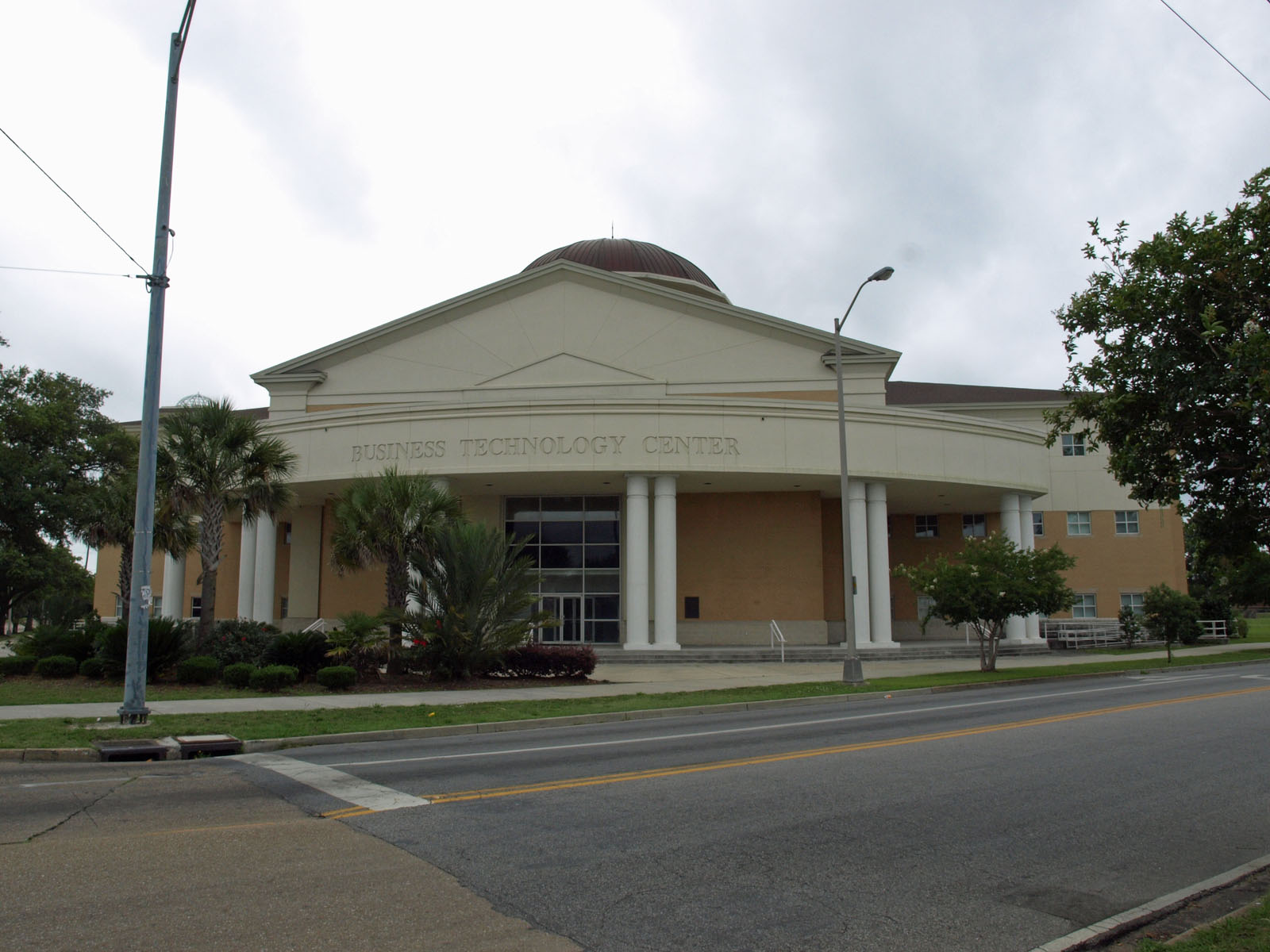
Business:
The Culverhouse College of Business, ranked #36 nationally, excels in accounting and marketing, with alumni at Ernst & Young and Regions Bank.
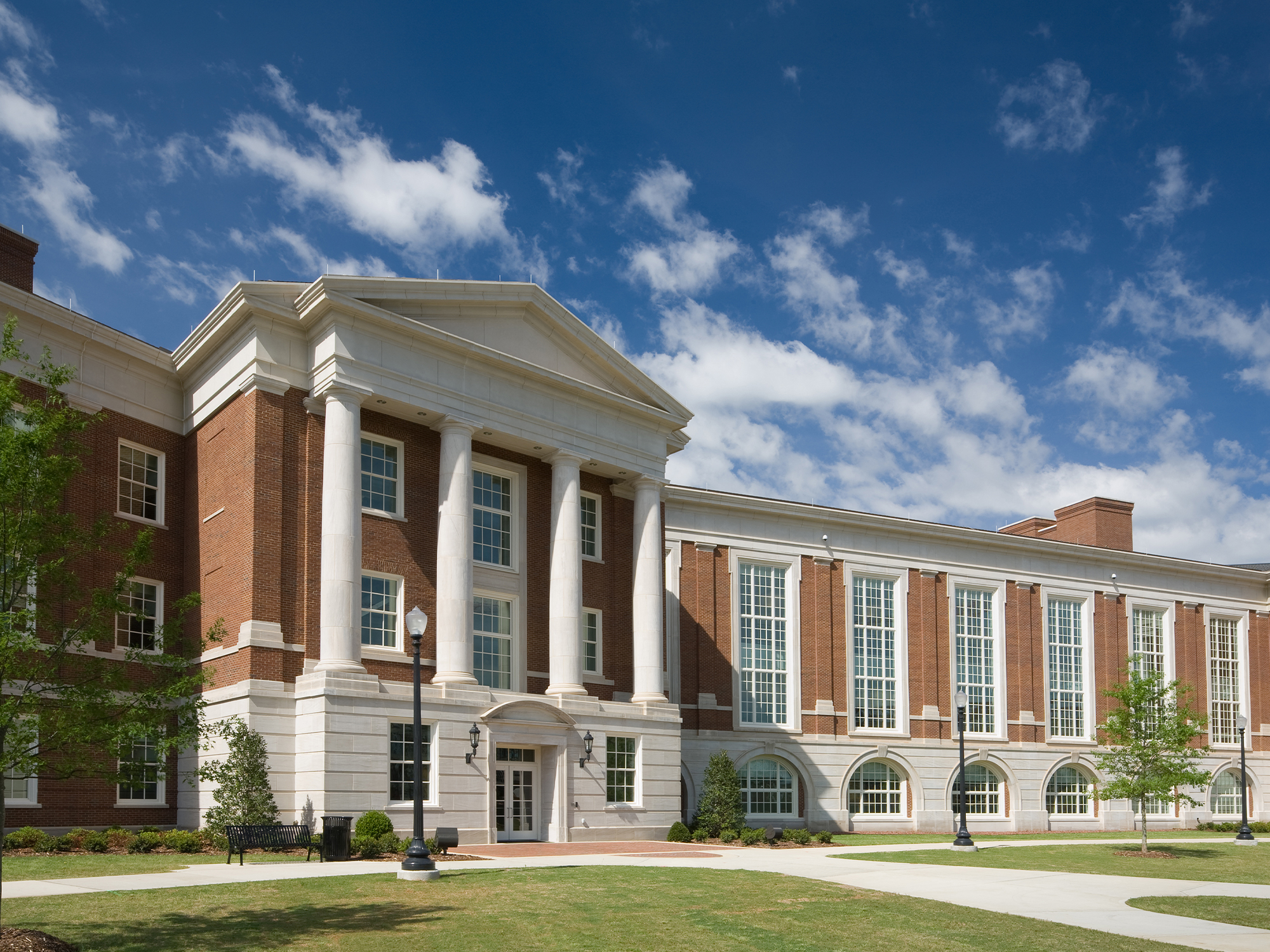
Engineering:
The College of Engineering, ranked #85 nationally, leads in automotive and civil engineering, with research at the Center for Advanced Vehicle Technologies.

Communications:
- The College of Communication and Information Sciences, ranked #22 nationally, trains leaders in journalism and advertising, with alumni at ESPN and CNN.
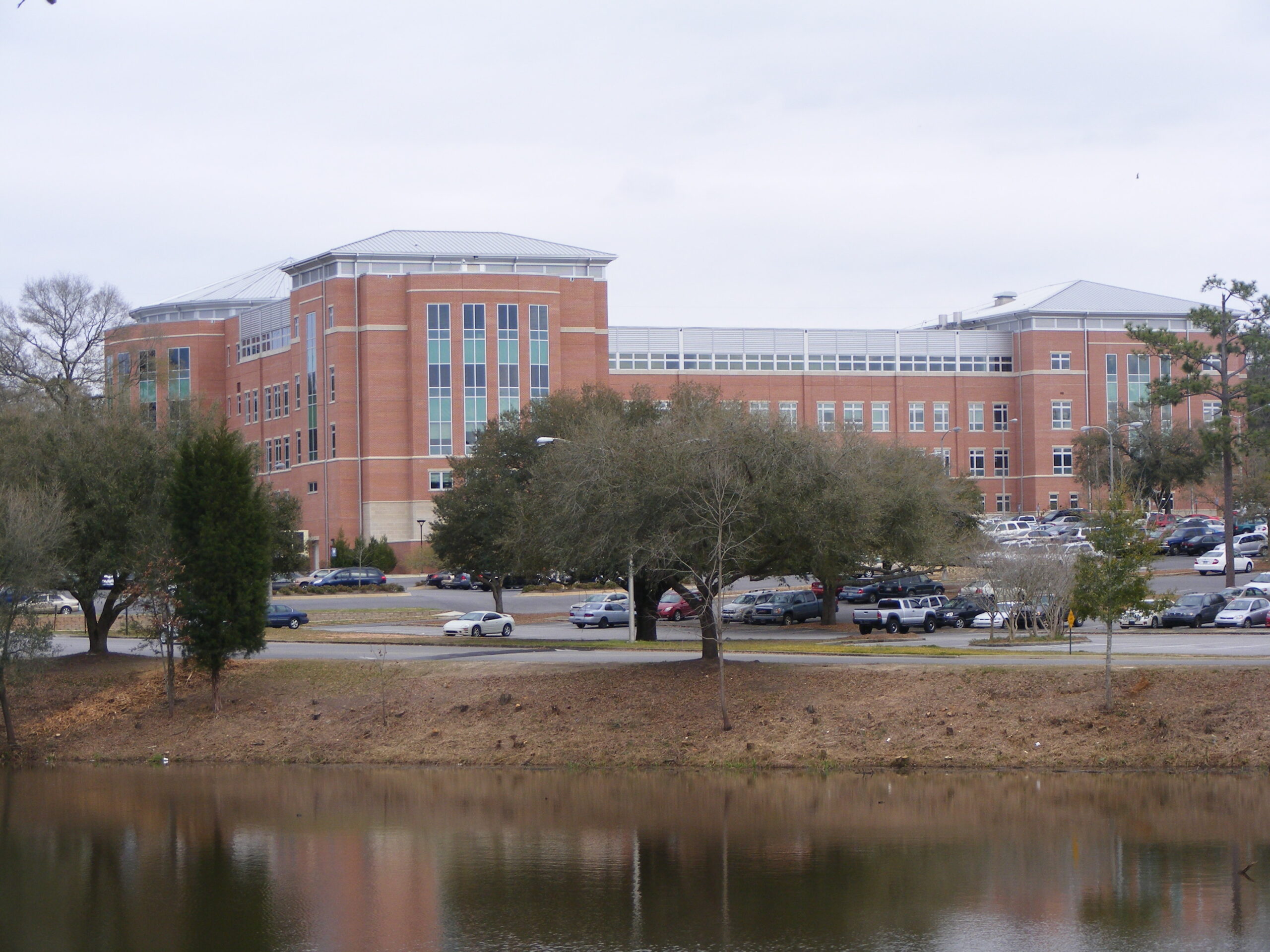
Nursing:
The Capstone College of Nursing prepares clinicians for healthcare roles, with partnerships at DCH Regional Medical Center.
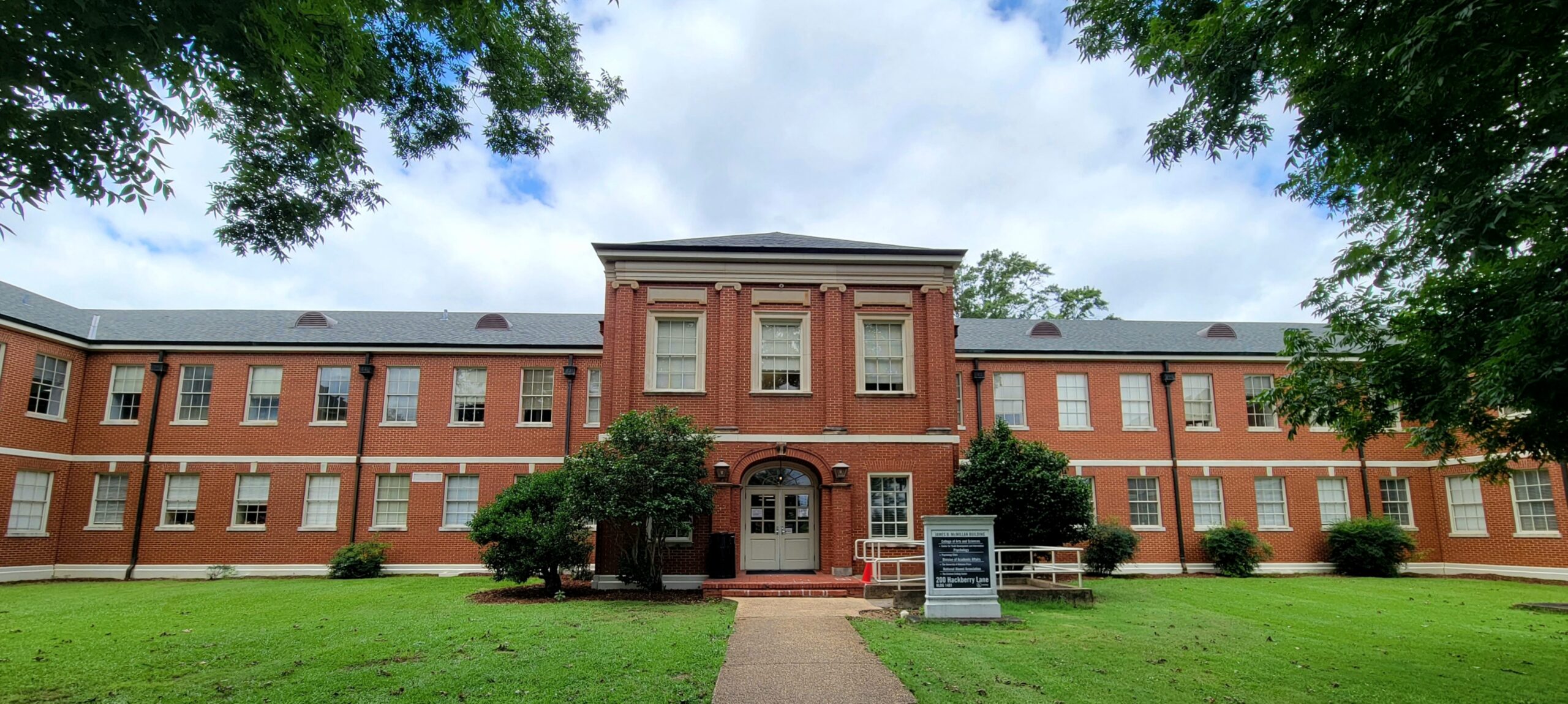
Psycology:
The College of Arts and Sciences advances clinical and experimental psychology, with research labs preparing students for graduate study.
Notable Alumni of the University of Alabama.

Nick Saban:
Nicholas Lou “Nick” Saban Jr. is an American college football coach, sports analyst, and philanthropist widely regarded as one of the greatest coaches in NCAA history. The architect of Alabama’s modern dynasty, Saban led the Crimson Tide to six national championships (2009, 2011, 2012, 2015, 2017, 2020) during his 17-year tenure from 2007 to 2023, amassing a 206–29 record (.876 winning percentage) and elevating the program to unprecedented heights. Prior to Alabama, he won a title at LSU (2003) for a career total of seven, tying Bear Bryant’s record. Named an honorary alumnus of the University of Alabama in 2017 alongside his wife Terry, Saban’s “Process” philosophy—emphasizing discipline, preparation, and player development—transformed recruiting, facilities, and campus culture. As of November 2025, at age 74, Saban serves as an ESPN college football analyst, co-hosts Nick Saban Show on the SEC Network, and leads the Nick Saban Center for Sports Leadership at UA, while his Nick’s Kids Foundation has raised $15M+ for children’s charities.

Joe Namath:
Joseph William “Joe” Namath, nicknamed “Broadway Joe,” is an American former professional football quarterback, actor, and cultural icon who revolutionized the sport as the face of the upstart American Football League (AFL) in the 1960s. A University of Alabama alumnus under legendary coach Paul “Bear” Bryant, Namath led the New York Jets to a stunning 16–7 upset victory in Super Bowl III (1969) over the heavily favored Baltimore Colts—fulfilling his bold pre-game guarantee and legitimizing the AFL-NFL merger. Over 13 seasons (1965–1977), primarily with the Jets, he threw for 27,663 yards and 173 touchdowns, earning AFL Rookie of the Year (1965), AFL MVP (1968), and induction into the Pro Football Hall of Fame (1985). Known for his charisma, fur coats, and nightlife flair, Namath bridged sports and entertainment, starring in films like The Last Rebel (1971) and hosting The Joe Namath Show (1969). As of November 2025, at age 82, Namath resides in Florida, serves as a motivational speaker, and supports the Joe Namath Foundation for children’s health, while occasionally appearing on ESPN and NFL Network.

Harper Lee:
Nelle Harper Lee was an American novelist and one of the most beloved authors of the 20th century, best known for her Pulitzer Prize-winning masterpiece To Kill a Mockingbird (1960). The novel, which explores racial injustice, moral growth, and human dignity through the eyes of young Scout Finch in Depression-era Alabama, has sold over 40 million copies, been translated into 40+ languages, and remains a staple in American education and culture. Lee’s second novel, Go Set a Watchman (2015), a controversial earlier draft of Mockingbird featuring an adult Scout and a flawed Atticus Finch, reignited global discussion about race, legacy, and authorship. A fiercely private University of Alabama alumna, Lee shunned publicity after Mockingbird’s success, living quietly in her hometown of Monroeville until her death. As of November 2025, her literary impact endures through the Harper Lee Prize for Legal Fiction (awarded annually by UA Law), the Monroeville courthouse museum, and ongoing adaptations, including Aaron Sorkin’s Broadway play (2018–present) and a 2025 Netflix docuseries.

Derrick Henry:
Derrick Henry, born in Yulee, Florida in 1994, attended the University of Alabama from 2013 to 2015 after a record-breaking high school career at Yulee High School, where he amassed over 12,000 rushing yards and committed to the Crimson Tide. What began as a backup role evolved into one of the most dominant running back seasons in college football history during his junior year in 2015, when he rushed for a single-season SEC record 2,219 yards and 28 touchdowns, set the conference mark for rushing yards with 1,986 in earlier counts, earned the Heisman Trophy as the first Alabama player to win it since Mark Ingram, claimed the Doak Walker, Maxwell, and Walter Camp Awards, and helped lead the Crimson Tide to a national championship.
His ties to Alabama endure through his iconic legacy in Crimson Tide football and recent acts of extraordinary generosity that continue to elevate the program. Key contributions include personally funding Name, Image, and Likeness (NIL) deals for the entire Alabama walk-on roster in recent years, and—alongside fellow Alabama legend Julio Jones—announcing a monumental $68 million donation to fund three state-of-the-art luxury team buses and support broader football program enhancements. He has returned to campus for events, reflected on his transformative time in Tuscaloosa through media, and inspired ongoing support for student-athletes. Today, these initiatives bolster Alabama’s recruiting, facilities, and player development, sustain its dominance in college football, and reflect his deep gratitude to the university that launched his path to NFL stardom with the Baltimore Ravens, embodying his commitment to giving back to the Crimson Tide family and future generations.

Marilyn Hewson:
Marilynn Hewson, born in Junction City, Kansas in 1953, grew up in Tuscaloosa, Alabama, and graduated from the University of Alabama in 1977 with a Bachelor of Science degree in business administration (with honors) from the Culverhouse College of Commerce, followed by a Master of Arts degree in economics from the same institution in 1979. What began as her foundational education—earned while working full-time to support herself—evolved into a pioneering career in aerospace and defense, starting as an industrial engineer at Lockheed Corporation in 1983 and culminating in her role as Chairman, President, and CEO of Lockheed Martin Corporation from 2013 to 2020, where she led the company to record performance, advanced groundbreaking technologies in defense, space, and cybersecurity, and solidified its position as a global leader before transitioning to Executive Chairman and retiring in 2021.
Her ties to the University of Alabama endure through extraordinary philanthropy and lifelong advocacy that have profoundly shaped the institution. Key contributions from Marilynn and her husband James include a landmark $10 million gift in 2018 to establish the Hewson Data Analytics Lab, $5 million for cybersecurity programs, another $5 million to expand scholarships for high-achieving students from underserved communities, and—in 2023—the largest single gift in Culverhouse College history: $15 million to endow the Marillyn A. Hewson Endowed Chair in Data Analytics and support faculty excellence. She has been recognized as a Distinguished Alumna, inducted into the Alabama Business Hall of Fame, delivered commencement addresses urging graduates to lead with purpose and integrity, and continues to inspire through mentoring, events, and advisory involvement. Today, these initiatives drive innovation in data science, cybersecurity, business education, and equitable access, elevate Alabama’s national reputation in STEM and commerce fields, and reflect her deep gratitude to the Crimson Tide community that launched her extraordinary path, embodying her commitment to empowering future generations of leaders.
Why Tuscaloosa and UA is a Great Choice for Investing in College Properties
Tuscaloosa’s economic strength, cultural richness, and spirited lifestyle, with 102,000 city residents and 271,000 in the metro area, make it an ideal place to live and study. Establishing Alabama residency, achievable after 12 months, offers significant benefits for UA students. In-state tuition for 2024-2025 is $11,990, compared to $33,740 for out-of-state students, saving $21,750 annually. Tuscaloosa’s real estate market, with high demand in campus-adjacent areas like The Strip and Downtown Tuscaloosa, supports rental income and appreciation, driven by the city’s 3.5% growth and UA’s expansion. Owning property near campus aligns with lifestyle and financial goals, making Tuscaloosa a smart investment.
Sources
AL.com
Tuscaloosa News
Business Journals
Community Impact
CampusCondos.com
U.S. News & World Report
University of Alabama Official Website
Wikipedia
U.S. Census Bureau
World Population Review
Forbes
Niche
College Factual
Princeton Review