
Auburn University
Study, Work, Live & Play in Auburn, AL
Nestled in the rolling plains of eastern Alabama, Auburn University combines strong public research academics with the genuine warmth of a classic Southern college town, steady economic momentum, and deep-seated Tiger pride. Auburn offers a welcoming environment where tradition meets opportunity, drawing students, professionals, and families who value community spirit, natural surroundings, and a balanced way of life. From historic campus landmarks and cherished rituals to peaceful lakeside retreats and growing innovation hubs, Auburn delivers experiences that build lasting connections and inspire success.
Study in Auburn, AL
Auburn University serves as a cornerstone of higher education, attracting talented students nationwide and beyond through its demanding academics, hands-on learning, and rich sense of place. In U.S. News & World Report’s 2026 rankings, Auburn holds No. 102 among National Universities and No. 49 among Top Public Schools, with particularly strong business programs standing out among public institutions. Niche ranks it No. 9 for Best College Campuses in America and No. 14 for Colleges with the Best Student Life, while The Princeton Review crowns it No. 1 nationally for happiest students, emphasizing its supportive environment and entrepreneurial opportunities.
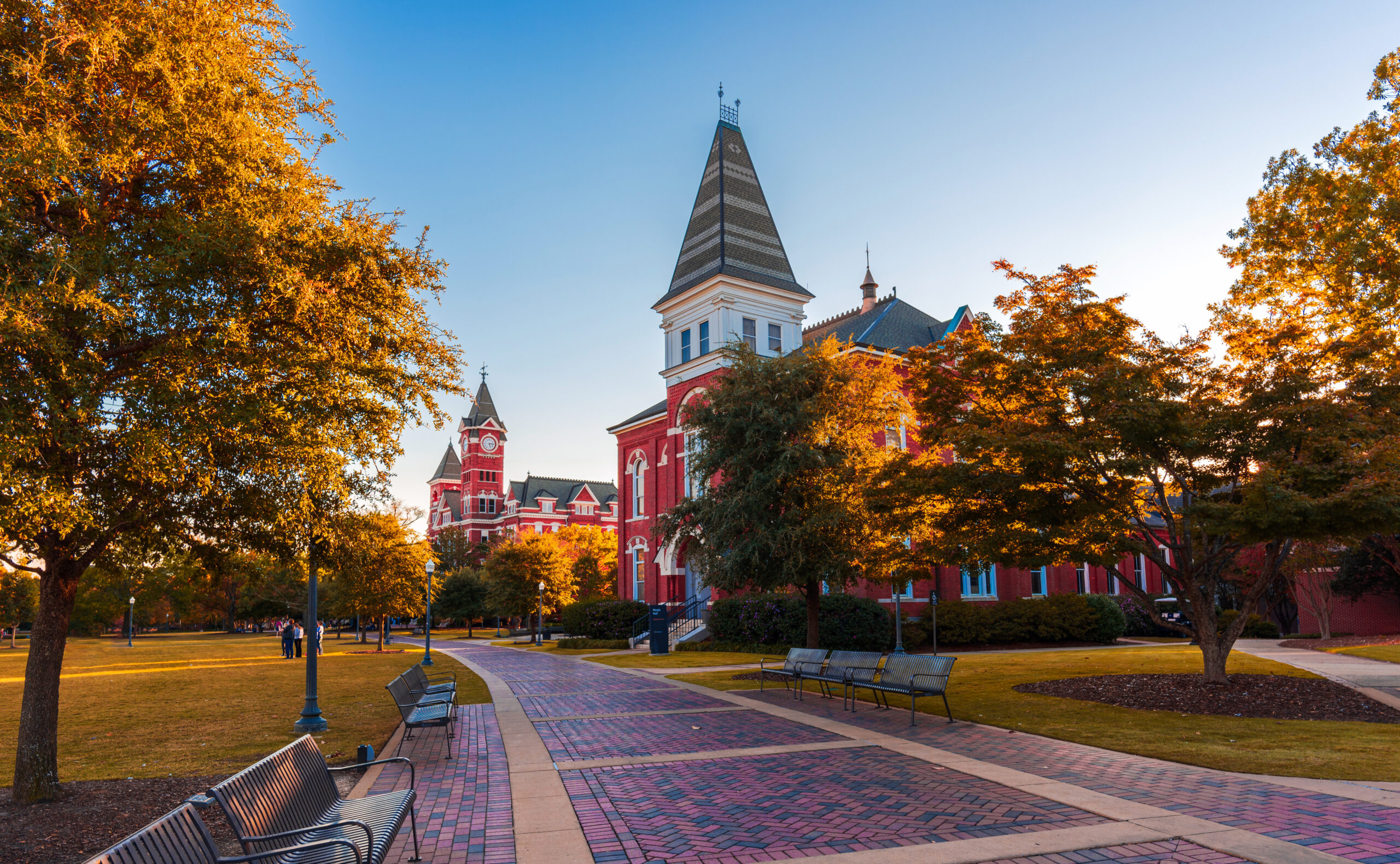
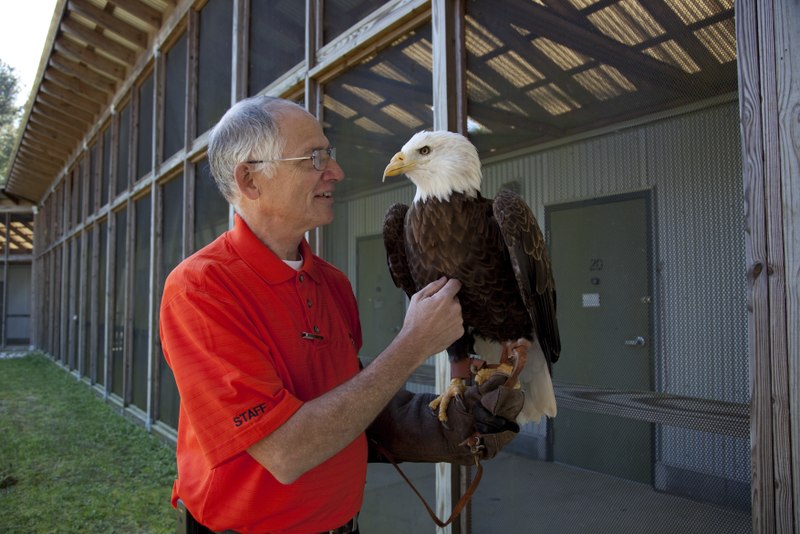
Across the sprawling 1,875-acre campus, anchored by the timeless Samford Hall and its prominent clock tower, students dive into real-world projects via the Office of Undergraduate Research and faculty-guided initiatives spanning every field. Highlights include the Jule Collins Smith Museum of Fine Art with its collection of European, American, and Southern pieces, the Museum of Natural History’s displays of regional biodiversity, and the Donald E. Davis Arboretum’s peaceful native plant gardens. Iconic traditions like the pre-game War Eagle eagle flight, Tiger Walk, and post-victory celebrations at Toomer’s Corner oak trees foster unbreakable bonds. Backed by R1 research status and a dedicated War Eagle community, Auburn creates an ideal setting for scholars pursuing meaningful growth and lasting impact.
Work in Auburn, AL
Auburn’s job market continues to expand steadily, earning recognition as Alabama’s fastest-growing city in recent years and the 2025 Mac Conway Award for Economic Development Excellence through new company arrivals, expansions, and university partnerships. Auburn University’s $6.3 billion annual economic impact fuels the area, while Auburn Research Park supports breakthroughs in aerospace, automotive, biotechnology, and advanced manufacturing.
Key employers and recent additions bring hundreds of positions in high-tech fields, with nearby Hyundai and Kia operations contributing to robust manufacturing. The mix of education-driven roles, healthcare opportunities, and emerging industry growth keeps unemployment low and offers pathways for professionals in diverse sectors. This collaborative atmosphere in a growing yet approachable college town supports long-term career building alongside a high quality of life.
Live in Auburn, AL
Auburn delivers a comfortable, community-centered lifestyle that earned it a spot among Livability.com’s Top 100 Best Places to Live in the US for 2025, thanks to its strong schools, safety, welcoming residents, and balanced pace. The dining scene ranges from the legendary frozen lemonade at historic Toomer’s Drugs (a staple since 1896) to farm-fresh upscale dining at Acre and the student-run 1856 teaching restaurant, featuring ingredients from campus horticulture gardens, plus a variety of local spots for casual meals.
Abundant sunshine year-round invites time outdoors at Chewacla State Park’s wooded trails and swimming areas or Lake Harding’s calm waters for kayaking and relaxation. Neighborhoods reflect Southern hospitality, with events and gatherings that strengthen ties among residents. Auburn’s blend of college energy, family-friendly amenities, and steady growth creates an inviting home where people feel connected and rooted.
Play in Auburn, AL
Auburn comes alive with SEC-fueled excitement and hometown gatherings, highlighted by longstanding events that draw families and fans: the Auburn Rodeo (March 28, 2026) at Sistrunk Farms featuring bareback, saddle bronc, and bull riding; Auburn CityFest (April 25, 2026) at Kiesel Park with games, food, and community fun; and the electric Toomer’s Corner rolling tradition following major victories. Outdoor escapes include Chewacla State Park’s hiking paths, the Donald E. Davis Arboretum’s tranquil gardens, and nearby spots for fishing, boating, and nature walks.
Adventures range from joining the massive Tiger Walk before games to exploring art exhibits at the Jule Collins Smith Museum or enjoying seasonal festivals with live music, brews, and games like AU Oktoberfest. Whether tailgating with fellow fans, relaxing by the lake, or participating in campus and town events, Auburn offers a full calendar of spirited recreation grounded in Southern tradition and genuine enthusiasm.

Learn Your History & Stats Auburn
College History
Founded in 1856 as East Alabama Male College under Methodist Episcopal Church auspices, Auburn University welcomed its first students in 1859 before becoming the state-supported Agricultural and Mechanical College of Alabama in 1872. It welcomed women starting in 1892, achieved full university status in 1960, and has since solidified its place as Alabama’s land-grant leader with R1 classification for very high research activity. Landmark moments include the establishment of the veterinary college in 1907, integration during the civil rights era, and enduring traditions that define Tiger pride. Auburn boasts a remarkable roster of alumni, including Academy Award winner Octavia Spencer, Wikipedia co-founder Jimmy Wales, baseball legend Frank Thomas, Heisman Trophy winner and NFL star Cam Newton, and influential figures in industry, science, and the arts. The Harbert College of Business drives forward momentum with investments in facilities like the upgraded Harbert Investment Center and the New Venture Accelerator, powering elite entrepreneurship rankings (No. 1 in Alabama according to Princeton Review and related accolades) and fueling innovation across the state’s growing business landscape. Although Auburn lacks its own law school, its dedicated pre-law program within the College of Liberal Arts delivers rigorous preparation, strong advising, and successful placement into premier law programs nationwide. Auburn stands tall in major academic rankings, placing No. 49 among public institutions and No. 102 overall nationally (U.S. News & World Report 2026), alongside competitive global standings (QS World University Rankings 2026 at 851-900) and consistent recognition in Times Higher Education, reflecting its R1 research strength exceeding $171 million annually, leadership in veterinary medicine, engineering, and agriculture, and deep-rooted community spirit embodied in iconic traditions like the Tiger Walk and Toomer’s Corner celebrations.
Student Population and Housing Market Insights
Nearing 35,000 students for fall 2025 (roughly 28,000 undergraduates and 7,000 graduates amid continued expansion), Auburn University draws a vibrant, predominantly Southeastern student body, with Alabama residents forming the core (typically 60-70% or more), supplemented by out-of-state students nationwide and a growing international contingent. On-campus residence halls and Greek housing accommodate about 18% of the total student population (with freshmen often seeing much higher participation rates), leaving the large majority—around 82%—to reside off-campus in apartments, rental homes, or shared properties throughout the Auburn area. This persistent off-campus presence creates a lively and dependable rental environment in central neighborhoods such as ZIP 36830 and adjacent campus zones (ZIP 36832). Across the last 15 years, residential property values in these key ZIP codes have climbed impressively, fueled by Auburn’s steady enrollment increases, research prominence, and the enduring draw of its college-town atmosphere, producing outstanding returns for long-term owners based on Zillow and CoreLogic market analyses (with 36830 medians hovering near $415,000 and sustained positive growth). Many investors turning to platforms like collegehomes.com discover diverse strategies for building wealth in the Auburn University markets, thanks to the abundant pool of student renters who provide consistent demand year after year. Furthermore, Alabama residents gain substantial cost advantages through in-state tuition, frequently realizing savings exceeding $100,000 over a four-year degree compared to non-resident rates, positioning Auburn as a premier, cost-effective destination for families choosing to put down roots in the state.
Off-Campus Living and Nightlife in Auburn
Students at Auburn University flock to lively off-campus neighborhoods like Downtown Auburn (ZIP 36830), The Heights, North Auburn, and areas near Toomer’s Corner, all within a quick 1- to 2-mile walk, bike ride, or shuttle from campus. These areas deliver a blend of historic charm, modern convenience, and strong community spirit, drawing undergrads, grads, and young professionals alike. Downtown Auburn thrives as the heart of student living, filled with historic homes converted to rentals alongside sleek apartments boasting amenities like rooftop decks, fitness centers, and study lounges—ideal for juggling intense classes and social scenes while supporting robust rental demand. Popular complexes include The Standard at Auburn, celebrated for its resort-style pools, modern finishes, and prime location steps from campus; Eagles West Apartments, offering gated access, spacious layouts, and easy walks to Toomer’s Corner; Uncommon Auburn, with elevated designs, clubhouses, and views; and The Samford Glenn, featuring luxury touches, balconies, and proximity to downtown vibes.
The Heights captivates with its upscale, family-oriented feel—tree-shaded streets, newer developments, and a peaceful walkable setting packed with parks and local favorites, perfect for those seeking a more relaxed residential atmosphere just off campus. North Auburn appeals to budget-conscious and creative types with affordable condos, green spaces, and an emerging eclectic energy, only a short drive or bus away. These neighborhoods not only link via Auburn shuttles and campus proximity but also encourage independence with nearby groceries, cafes, and trails, transforming off-campus living into a natural part of the War Eagle experience.
Auburn Rental Market
The rental market within 1.5 miles of Auburn University, especially in ZIP codes 36830 (Downtown/Campus area) and surrounding zones, serves the university’s 30,000+ students heavily. Modern apartments and shared houses lead in Downtown and nearby spots due to steady demand. As of early 2026, average rents in these areas hover around $1,500–$2,000/month, elevated compared to the citywide average of about $1,300–$1,600. Below are rental stats for student-focused properties:
- Average Rent per Bedroom: $700–$1,100, with premium Downtown units often surpassing $1,300 for luxury spots near campus.
- Studio Apartments: $1,000–$1,500/month, with budget picks in North Auburn (~$900) and upscale options Downtown (~$1,600).
- 1-Bedroom Apartments: $1,200–$1,700/month, averaging $1,400 in 36830. More affordable choices nearby start at $1,000.
- 2-Bedroom Apartments: $1,500–$2,100/month, with Downtown averages at $1,800. Shared setups lower costs (e.g., $900/person).
- 3-Bedroom Apartments/Houses: $2,000–$3,000/month, suited for student groups. Heights areas offer deals around $2,200.
Smart choices like roommate pairings or university-affiliated locators help keep expenses in check. Fall semester demand sparks early leasing Downtown, while short-term options boom during football season and events like the Iron Bowl. Data sources: RentCafe, Apartments.com, Zillow, Auburn off-campus housing resources.
Nightlife in Auburn
Auburn’s nightlife buzzes with War Eagle energy, celebrated as a top college town spot for its mix of live music, dive bars, and spirited game-day crowds. Downtown areas and Toomer’s Corner deliver walkable excitement from campus—especially during big events like football Saturdays in fall and festivals, when short-term rentals spike with visitors.
Downtown Auburn (36830) holds legendary status for its bar scene, with iconic spots like SkyBar Café’s multi-level patios pumping live bands, drink specials, and high-energy vibes onto the streets near Toomer’s Oaks. The district’s lively dives foster a rowdy, party atmosphere with craft cocktails and games, while nearby lounges add eclectic flair for varied nights out.
Newer Twists on Auburn’s Nightlife Scene
Auburn’s nightlife keeps evolving with fresh live music venues, craft-focused spots, and hybrid hangouts, grounded in college traditions but welcoming diverse crowds—from rowdy undergrad nights to more relaxed grad gatherings.
SkyBar Café: This Downtown powerhouse stands as a cornerstone with multiple levels for live bands, karaoke, themed nights, and massive crowds—boosting the area’s status as a high-energy hub with post-event buzz.
17-16: The vibrant core excels with cocktail chaos, dance floors, and spots for pre-gaming or late-night fun—safety upgrades and lively atmospheres make it essential for unfiltered good times, especially during rivalry weekends.
The Hound: This polished favorite draws a 21+ crowd with craft cocktails, rooftop vibes, and DJ sets at venues offering specials and events—fusing Auburn’s spirited feel with upscale touches for extended nights.
Old Favorites Holding Strong: Southeastern for intimate shows and eats; Fat Daddy’s for casual hangs and brews; Avondale Bar & Tap Room for cozy trivia and cheap drinks in its welcoming charm.
Downtown Gem: Olivine: This lounge offers a relaxed escape with wine selections, small plates, and occasional live sets—serving sophisticated drinks alongside a chill patio vibe near Toomer’s Corner.
Downtown’s growing “Tiger haven” with craft bars and artsy spots pulls nightlife fans from quieter areas, highlighting Auburn’s enduring, vibrant energy.
Fueling Up: Great Eateries, Coffee Houses, and Breakfast Spots
Auburn’s food scene excels near campus, featuring late-night options, study-friendly cafes, and hearty brunches—many places serving as social hubs with big portions and student deals.
Eateries for Late-Night or Anytime Cravings:
- Fat Daddy’s (Downtown area): Famous for wings, burgers, and game-day specials—ideal late-night fuel.
- Amsterdam Cafe (near campus): Classic sandwiches and global plates for quick, satisfying bites.
- Big Blue Bagel & Deli (multiple spots): Fresh bagels, sandwiches, and coffee for anytime grabs.
Coffee Houses for Study Sessions or Buzz:
- The Bean Coffee Shop (Downtown): Cozy with house-roasted beans, pastries, and outlets—great for all-nighters.
- Well Red (near campus): Bold brews, seasonal drinks, and relaxed spaces for focused work.
- Bitty & Beau’s Coffee (Auburn): Inclusive vibe with expert lattes and local treats.
- Rosshouse Coffee (Downtown): Patio-friendly mochas, sandwiches, and artsy energy near nightlife.
Breakfast Spots to Start (or Recover) the Day:
- Lucy’s (Downtown): Southern classics like biscuits and gravy—worth the wait for hearty starts.
- The Hound (near campus): Elevated brunch with creative toasts and bottomless options.
- Another Broken Egg Cafe (multiple): Chef-inspired dishes like pancakes and spiked cold brews.
- Byron’s Smokehouse (nearby): Smoky breakfast plates and migas for recovery fuel.
- Amsterdam Cafe (Downtown): Fluffy omelets and coffee in a sunny, welcoming spot.
From Downtown apartment searches to Toomer’s Corner crawls, Auburn’s off-campus scene keeps the spirit roaring—game nights transitioning to strong coffee mornings. Embrace the “War Eagle” tradition; the excitement (and memories) are part of the fun.

Student Organizations and Activities at Auburn University
With more than 550 student-led organizations, Auburn University cultivates a spirited “Auburn Family” where academics, traditions, and lifelong bonds flourish amid the rolling plains of east Alabama. From electrifying Tiger Walk processions into Jordan-Hare Stadium to spirited gatherings rolling the oaks at Toomer’s Corner, student life hums with inclusive resources like academic support at the Miller Writing Center, timeless rituals such as the War Eagle chant and Hey Day celebrations, and a warm culture championing community service, intellectual pursuit, and Southern hospitality in the heart of the Wiregrass region.
Sports and Recreational Clubs
Athletic engagement forms a cornerstone of Tiger life through Intramural Sports at the Recreation and Wellness Center, drawing thousands into leagues each semester. Whether throwing spirals in flag football, diving for digs in sand volleyball, or battling in dodgeball showdowns, activities welcome every ability—no expertise required. Popular options span basketball, indoor soccer, ultimate frisbee, racquetball, tennis doubles, and curveball. Teams coalesce through residence halls, Greek chapters, classmates, or as free agents, with sign-ups via IMLeagues and free or minimal-cost entry for students. Playoffs and brackets highlight the program’s energetic rivalries and inclusive fun.
For those seeking greater intensity, over 40 club sports provide competitive outlets, including distinctive choices like bass fishing, cricket, boxing, ice hockey, badminton, and barbell lifting. These student-driven teams compete across regions and nationally, developing leadership through practices, tournaments, and excursions—perfect for channeling academic intensity into camaraderie, skill-building, and adrenaline on fields, courts, or trails near Auburn’s scenic campus.
Faith and Identity Communities
Spiritual growth and cultural belonging thrive in dedicated spaces honoring diverse faiths and perspectives. Auburn Christian Fellowship delivers non-denominational Bible studies, worship nights, and community outreach, creating welcoming environments for faith journeys. The Auburn Baptist Campus Ministry hosts discipleship groups, events, and service opportunities, while the Catholic Student Organization (AUCSO) fosters Masses, retreats, and fellowship at nearby parishes amid Auburn’s dynamic rhythm.
Additional networks broaden horizons: Auburn Christian Student Center offers Tuesday worship and small groups; Collegians for Christ emphasizes Bible study and campus activities; and organizations like the Muslim Student Association, Auburn Hillel, and Wesley Foundation provide prayer spaces, cultural programming, and interfaith dialogue. Groups such as Auburn Wesley Foundation and multicultural faith alliances build supportive communities, intertwining spiritual exploration with friendships and local outreach in the Auburn-Opelika area.
Political and Ideological Engagement
Driven by policy passion and civic responsibility? Auburn’s political ecosystem spans viewpoints with arenas for debate, activism, and growth. Turning Point USA champions conservative ideals through high-profile speakers, tabling, and events that frequently ignite campus-wide discussions on freedom and governance, often featured in local coverage. Counterparts include Auburn University College Republicans for advocacy and socials, alongside progressive voices through student-led groups promoting voter engagement and dialogue.
Cross-ideological efforts emerge via non-partisan initiatives focused on civic education and community impact. Intellectual sharpening comes from debate teams, Model UN, and policy-focused societies, honing argumentation in formats like public forum and Lincoln-Douglas—open practices welcome all. These organizations cultivate analytical skills, preparing tomorrow’s influencers for thoughtful exchanges in Auburn’s lively Southeastern setting.
From cheering during Tiger Walk, serving in philanthropy drives, or competing in an intramural ultimate frisbee thriller, Auburn student life is shaped—one chant, one tradition, one genuine friendship at a time. Discover your place via AUinvolve (auburn.campuslabs.com), involvement fairs, or spotlights in The Auburn Plainsman. War Eagle.
Benefits of Investing in Properties Near Auburn University
Investing in real estate near Auburn University can deliver a powerful mix of tuition affordability, steady rental returns, enduring equity growth, and lasting family advantages. In sought-after neighborhoods like Cary Woods, Moores Mill, and areas near East Glenn Avenue, properties enjoy unwavering demand from a robust student body, combined with Auburn’s accelerating economy in manufacturing, technology, and industrial sectors, positioning the area as one of Alabama’s top-performing small cities for growth and opportunity.
Unlocking In-State Tuition Savings
Alabama residency regulations enable families to secure dramatically reduced in-state tuition by establishing legal domicile, often through property ownership and related ties. Out-of-state undergraduate tuition at Auburn University far exceeds in-state rates, generating major yearly savings—for instance, recent figures show in-state around $12,500 versus over $34,000 for non-residents. Acquire a condo or house in high-demand spots like those close to campus or downtown Auburn, let your student live there (commonly with roommates for added affordability), and establish proof via items such as the property deed, Alabama driver’s license, voter registration, and other domicile indicators. Following 12 continuous months in the state, reclassification is typically routine, securing lower rates starting as early as the second year and yielding enormous reductions across the full degree path.
Generating Strong Rental Cash Flow
Auburn University’s consistently large enrollment creates endless demand, meaning well-located properties seldom remain empty. Updated condos or single-family homes in prime zones rent rapidly at attractive per-bedroom pricing, frequently generating income that covers or surpasses all expenses. Smart financing paired with multi-tenant arrangements often allows rental proceeds to handle mortgage principal and interest, property taxes, insurance, and any HOA costs—delivering neutral or positive cash flow right from the start. Market-driven annual rent escalations continue to boost profitability, making the property largely self-supporting while providing your student with convenient, on-site housing.
Building Equity Through Appreciation and Paydown
Auburn’s central neighborhoods surrounding the university have demonstrated consistent, dependable appreciation thanks to constrained inventory and continuous arrivals of students, young professionals, and families drawn to the region’s economic momentum. When combined with steady principal paydown via tenant-covered mortgage payments, equity builds reliably year after year. This powerful combination of value increase and debt reduction fosters meaningful wealth accumulation in a dependable, high-demand environment—presenting a lower-risk route to financial growth than more volatile investment landscapes.
Creating a Family Launchpad
After commencement, the appreciated asset becomes an exceptional foundation for the future. Families can choose to sell and realize gains to finance a larger home in expanding communities around Auburn or Opelika, or refinance to access equity tax-efficiently while keeping the property as a continuing income source. This approach arms your graduate with considerable financial head start—well ahead of peers beginning from zero—converting college-era housing into a critical building block for future independence and ownership.
Imparting Lifelong Financial Lessons
Property ownership delivers practical, real-world learning that extends well beyond classroom knowledge. Your student gains direct experience in managing roommates, handling upkeep, overseeing leases, and grasping core financial ideas in an authentic setting. These lessons simplify the world of investing, promote accountability, and build lasting assurance in strategies for creating and preserving wealth—evolving a simple real estate decision into a profound lesson in achieving financial self-reliance.
Fueled by Auburn’s thriving industrial base, innovation ecosystem, and perennial student-driven demand, campus-proximate investments excel in durability and diverse benefits. From dramatically cutting tuition expenses to establishing generational prosperity, a well-chosen property near the legendary Jordan-Hare Stadium or iconic Toomer’s Corner can transform both academic journeys and long-term financial trajectories.
In-State Tuition Savings Over Time
| Duration | In-State Tuition | Out-of-State Tuition | Savings |
|---|---|---|---|
| 1 Year | $12,536 | $34,568 | $22,032 |
| 2 Years | $25,072 | $69,136 | $44,064 |
| 3 Years | $37,608 | $103,704 | $66,096 |
| 4 Years | $50,144 | $138,272 | $88,128 |
Top Academic Programs
Auburn offers over 150 degree programs across 12 colleges, with research strengths in engineering, agriculture, and business. Its $171 million in research supports initiatives like the National Center for Asphalt Technology. The top five undergraduate programs include:
Engineering:
The Samuel Ginn College of Engineering, ranked #53 nationally, leads in aerospace and industrial engineering, with research at the Auburn Research Park and alumni at NASA.
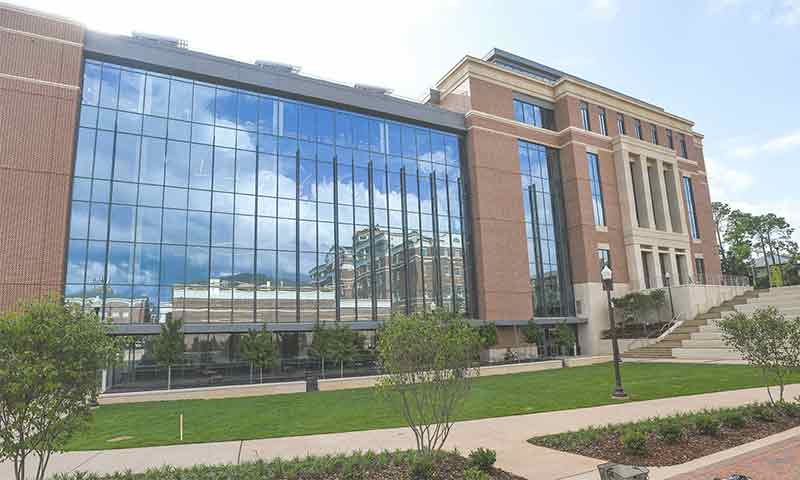
Business:
The Harbert College of Business, ranked #64 nationally, excels in supply chain management and finance, with graduates at Deloitte and Regions Bank.
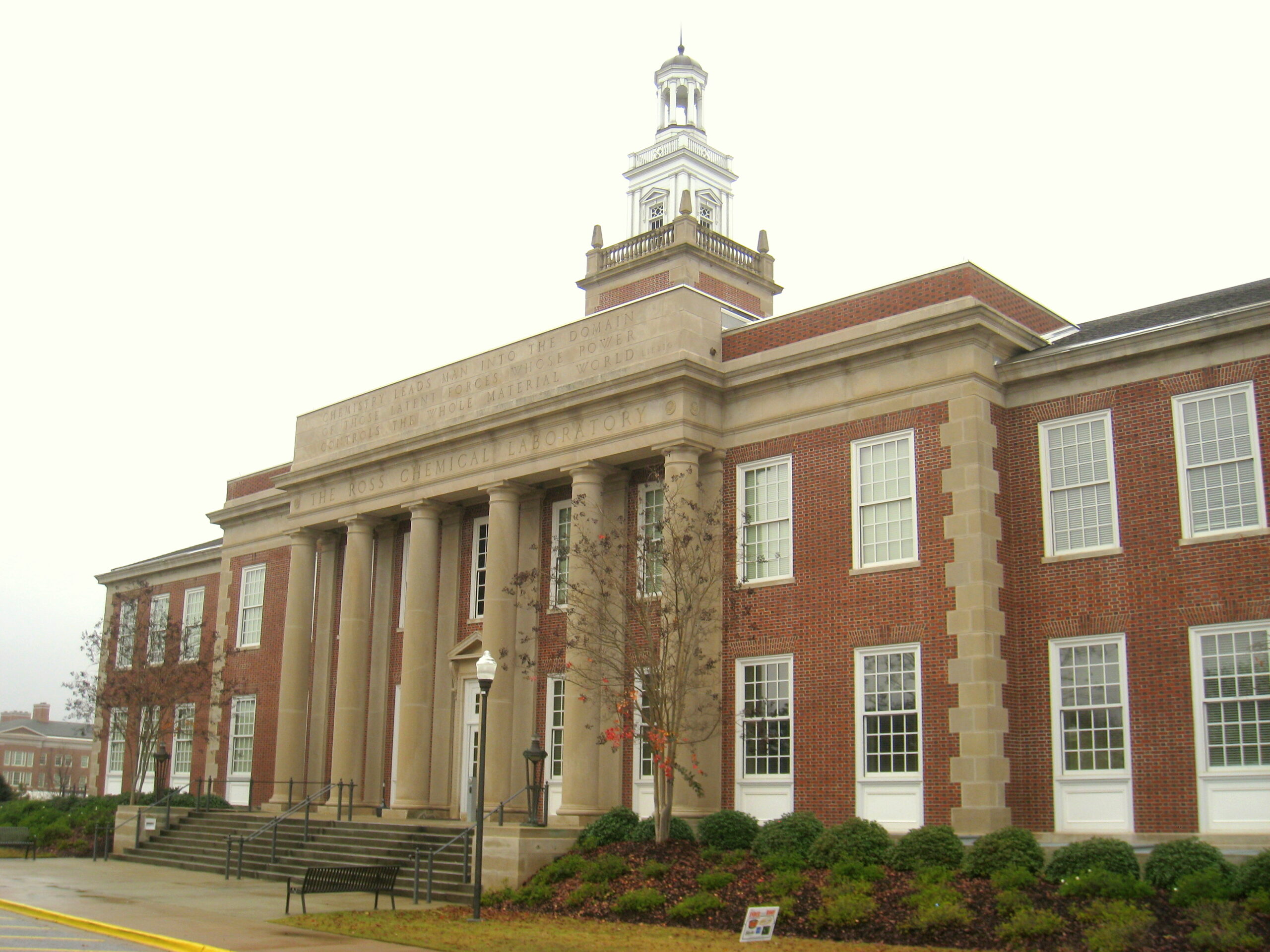
Agriculture:
The College of Agriculture advances precision farming and sustainability, with research at the E.V. Smith Research Center.
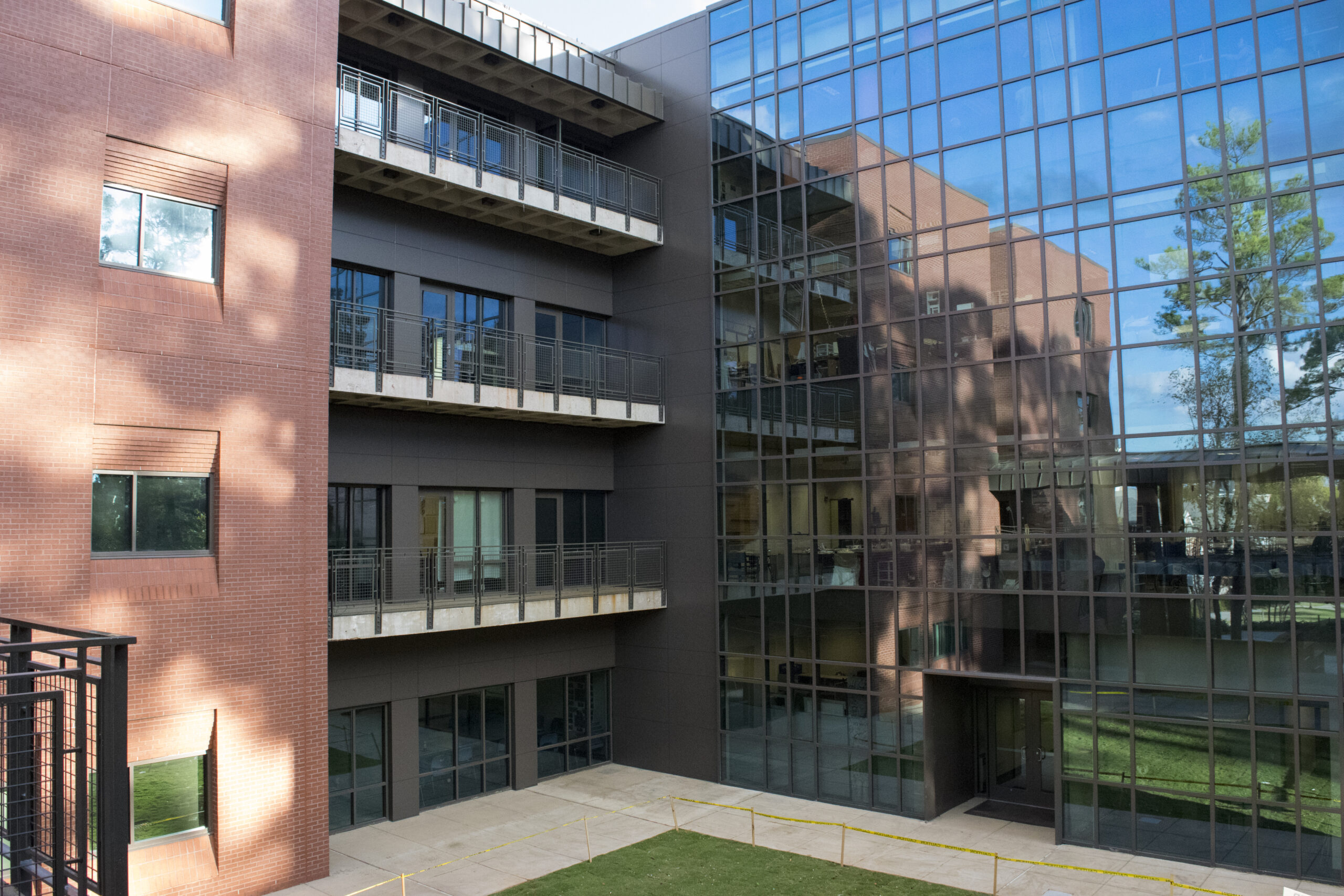
Architecture:
The College of Agriculture advances precision farming and sustainability, with research at the E.V. Smith Research Center.
Vetinary Medicine:
The College of Veterinary Medicine, ranked #14 nationally, trains leaders for clinical and research roles, with partnerships at Gulf Coast zoos.
Notable Alumni of Auburn University

Tim Cook:
Timothy Donald Cook is an American business executive and the CEO of Apple Inc., the world’s most valuable company (market cap $3.8T as of 2025). A second-generation Auburn University alumnus, Cook has led Apple since 2011, succeeding Steve Jobs and transforming it into a services and privacy powerhouse while launching era-defining products like the Apple Watch, AirPods, and Vision Pro. Known for operational genius, supply chain mastery, and advocacy for privacy, LGBTQ+ rights, and sustainability, Cook has grown Apple’s revenue from $108B (2011) to over $400B (2024), with services (Apple Music, iCloud, Apple TV+) now generating $100B+ annually. As of November 2025, he oversees Apple’s push into AI with Apple Intelligence and the rumored Apple Car project, while personally donating $100M+ to education and health initiatives. Cook’s net worth exceeds $2.1 billion, though he plans to give most away.

Bo Jackson:
Vincent Edward “Bo” Jackson is an American retired professional athlete, entrepreneur, and philanthropist widely regarded as the greatest two-sport athlete in history. The only person to be named an All-Star in both Major League Baseball (MLB) and the National Football League (NFL), Jackson excelled as a running back for the Los Angeles Raiders and an outfielder for the Kansas City Royals, Chicago White Sox, and California Angels. A 1985 Heisman Trophy winner at Auburn University, he remains an Auburn icon, with his #34 jersey retired and the Bo Jackson Field House named in his honor. Known for superhuman feats—like running up walls, breaking bats over his knee, and throwing out runners from the warning track—Jackson’s career was cut short by a 1991 hip injury, but his legend endures through Nike’s “Bo Knows” campaign, video games (Tecmo Bowl), and cultural impact. As of November 2025, at age 62, Jackson is a successful businessman (Bo Jackson Signature Foods), motivational speaker, and youth mentor, while advocating for health and education.

Octavia Spencer:
Octavia Lenora Spencer is an acclaimed American actress, producer, author, and philanthropist renowned for her versatile, heartfelt performances that often steal scenes with wit, warmth, and depth. A trailblazing Black actress, she made history as the first Black performer to receive two consecutive Academy Award nominations for Best Supporting Actress (2017–2018) and the only one to earn three overall. Spencer won the Oscar, Golden Globe, and BAFTA for her breakout role as Minny Jackson in The Help (2011), and has since starred in hits like Hidden Figures (2016), The Shape of Water (2017), and The Wackiest Ship in the Army (2022). Beyond acting, she’s a children’s book author (Randi Rhodes, Ninja Detective series) and advocate for dyslexia awareness, education, and racial equity. As of November 2025, Spencer stars in the Netflix series Dolly Parton’s Heartstrings revival and produces via her Oya Media Group, focusing on diverse stories. Her net worth is approximately $12 million, bolstered by endorsements (e.g., Dove) and production deals.

Charles Barkley:
Charles Wade Barkley is an American retired professional basketball player, broadcaster, philanthropist, and cultural icon widely regarded as one of the greatest power forwards in NBA history. Nicknamed “Sir Charles” and “The Round Mound of Rebound”, Barkley dominated the 1980s–90s with explosive athleticism, elite rebounding, and fearless scoring despite being undersized at 6’6″ (listed 6’4¾”). A 1993 NBA MVP, 11x All-Star, and member of the NBA’s 50th and 75th Anniversary Teams, he played 16 seasons with the Philadelphia 76ers, Phoenix Suns, and Houston Rockets. Since 2000, Barkley has been a beloved TNT Inside the NBA analyst, known for unfiltered commentary, humor, and chemistry with Shaq, Kenny Smith, and Ernie Johnson. As of November 2025, at age 62, Barkley remains TNT’s highest-rated personality, hosts The Steam Room podcast, and runs the Charles Barkley Foundation, which has donated $20M+ to education and social justice. His net worth is approximately $70 million.

Jimmy Wales:
Jimmy Donal “Jimbo” Wales is an American-British Internet entrepreneur, wiki pioneer, and co-founder of Wikipedia, the world’s largest online encyclopedia, launched in 2001 as a free, collaborative knowledge resource. Often dubbed the “father of Wikipedia,” Wales has revolutionized access to information, amassing over 6.7 million English articles and 11 billion monthly views by 2025. A finance scholar turned tech visionary, he also co-founded Fandom (formerly Wikia) in 2004, a wiki-hosting platform with 400 million+ users, and ventured into social media with WT Social (rebranded as Trust Café) in 2019 to combat misinformation. As of November 2025, at age 59, Wales serves as Wikimedia Foundation board chair emeritus, promoting AI ethics, global education equity, and decentralized web projects amid ongoing debates on content moderation and Big Tech influence. His latest book, The Seven Rules of Trust: A Blueprint for Building Things That Last (Penguin Random House, October 2025), reflects on credibility crises and Wikipedia’s success principles. Wales’s net worth is approximately $20 million, derived from early investments, though he prioritizes nonprofit impact over profit.
Why Auburn and Auburn University Is a Great Choice for Investing in College Properties!
Auburn’s economic growth, Southern charm, and vibrant lifestyle, with 82,000 city residents and 174,000 in the metro area, make it an ideal place to live and study. Establishing Alabama residency, achievable after 12 months, offers significant benefits for Auburn students. In-state tuition for 2024-2025 is $12,536, compared to $34,568 for out-of-state students, saving $22,032 annually. Auburn’s real estate market, with high demand in campus-adjacent areas like Downtown Auburn and North Auburn, supports rental income and appreciation, driven by the city’s 6% growth and Auburn University’s expansion. Owning property near campus aligns with lifestyle and financial goals, making Auburn a smart investment.
Master of Business Administration (MBA): Harbert’s MBA, ranked #59 nationally, focuses on analytics and entrepreneurship, with graduates leading at Hyundai and Boeing. Doctor of Veterinary Medicine (DVM): The College of Veterinary Medicine prepares clinicians for advanced practice, with fieldwork in Alabama’s rural communities. These programs, supported by the Ralph Brown Draughon Library with over 5 million volumes, position Auburn as a research leader.
Sources
AL.com
Opelika-Auburn News
Business Journals
Community Impact
CampusCondos.com
U.S. News & World Report
Auburn University Official Website
Wikipedia
U.S. Census Bureau
World Population Review
Forbes
Niche
College Factual
Princeton Review