
University of Arkansas In Fayetteville
Study, Work, Live & Play in Fayetteville, AR
Nestled in the scenic Ozark Mountains of northwest Arkansas, the University of Arkansas combines solid public research education with the lively energy of a growing college town, Razorback enthusiasm, and proximity to corporate innovation in nearby Bentonville. Fayetteville creates an appealing atmosphere where academic pursuit aligns with outdoor adventure, cultural vibrancy, and economic opportunity, drawing students, professionals, and families who appreciate natural beauty, community events, and a forward-looking region. From historic campus sites and research initiatives to trail networks and world-class art nearby, Fayetteville provides experiences that encourage discovery, achievement, and deep-rooted connections.
Study in Fayetteville, AR
The University of Arkansas serves as the state’s flagship institution, attracting motivated students from across the nation and beyond with its comprehensive programs, applied learning focus, and distinctive campus heritage. In U.S. News & World Report’s 2026 rankings, the University of Arkansas holds No. 183 among National Universities and No. 100 among Top Public Schools, with notable strengths in business and supply chain/logistics programs. Niche highlights its strong campus experience and student life, while sources emphasize its welcoming environment and unique traditions that boost satisfaction.
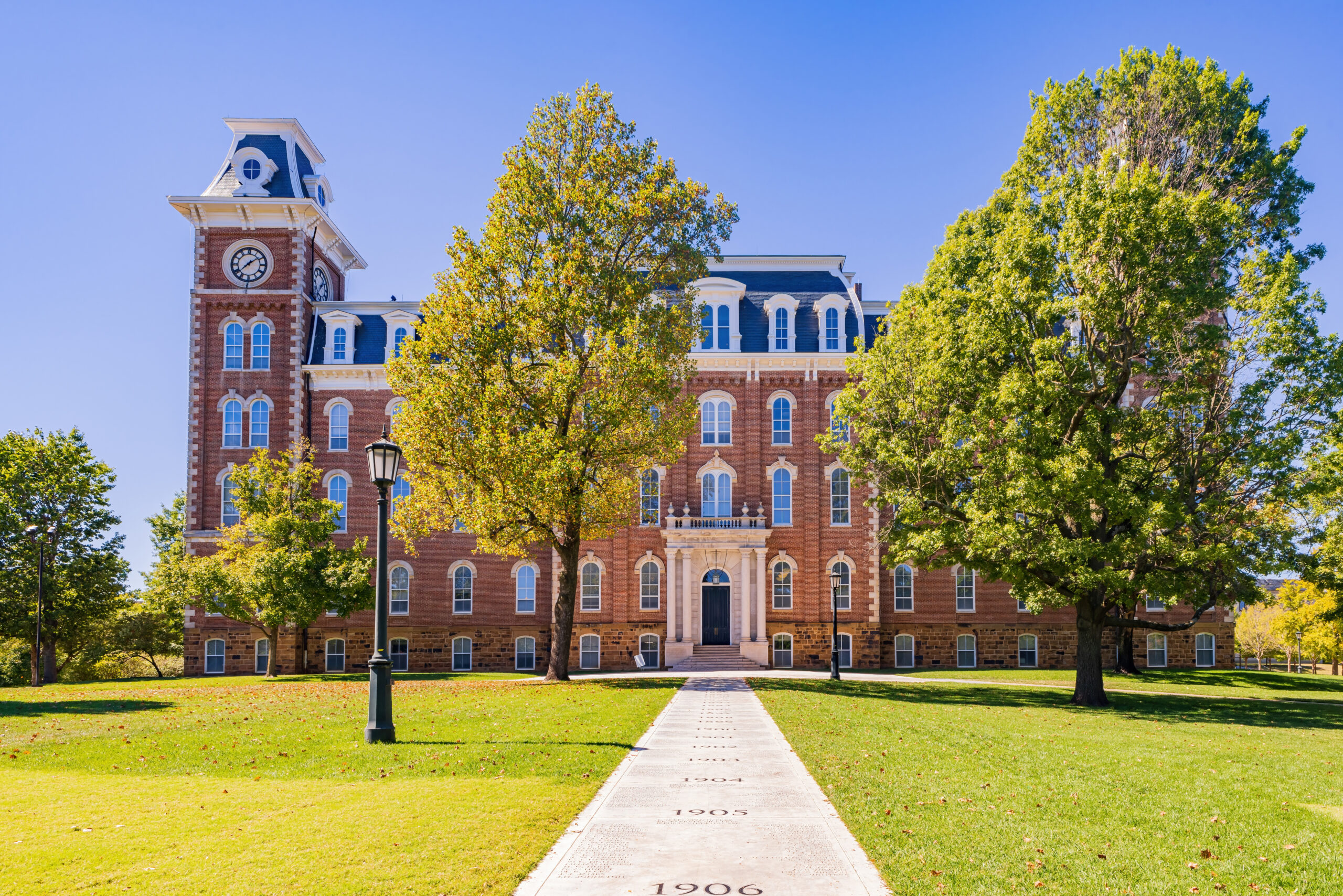
Spanning a 720-acre campus featuring the historic Old Main building and the iconic Senior Walk inscribed with over 170,000 graduate names—a tradition unique among American universities—students access practical opportunities through the Office of Undergraduate Research, including mentorship programs and faculty-guided projects in diverse fields. Standout resources include the University of Arkansas Museum with over 7.5 million objects ranging from meteorites and Native American artifacts to Razorback memorabilia, plus the Fine Arts Center designed by architect Edward Durell Stone. Traditions like calling the Hogs, the pre-game Tusk mascot appearance, and Dickson Street gatherings build lasting loyalty. Supported by R1 research status and a dedicated Razorback community, the University of Arkansas delivers a strong platform for scholars seeking personal development and regional impact.
Work in Fayetteville, AR
Fayetteville’s job scene benefits from steady regional expansion, university contributions, and the transformative influence of nearby Bentonville’s corporate presence, including Walmart headquarters driving retail, tech, and supply chain roles. The University of Arkansas generates significant economic activity through education, research, and events, while the broader Northwest Arkansas area supports growth in manufacturing, innovation, and services.
Proximity to Bentonville fosters opportunities in corporate headquarters, startups, and vendor ecosystems, with sectors like retail technology, logistics, and entrepreneurship thriving. Low unemployment and a collaborative mix of academic, business, and emerging industry positions create reliable pathways for career development in a connected region that balances college-town accessibility with professional advancement.
Live in Fayetteville, AR
Fayetteville provides a vibrant, nature-oriented lifestyle, frequently ranked among the best places to live in the U.S.—including top spots in Livability.com’s 2025 lists—for its quality of life, outdoor access, safety, and community feel. The food scene features authentic local flavors alongside innovative dining on Dickson Street, with options from casual eateries to acclaimed spots emphasizing regional ingredients and diverse influences.
Abundant sunshine and mild seasons support year-round exploration of 37 city parks, 84 miles of trails, the Razorback Greenway for biking, and Lake Fayetteville for kayaking and fishing. Neighborhoods blend college energy with family-friendly appeal, fostering welcoming interactions and a sense of place. Fayetteville’s combination of mountain scenery, cultural amenities, and ongoing growth forms an enjoyable home where residents stay connected to nature and community.
Play in Fayetteville, AR
Fayetteville buzzes with Razorback spirit and regional festivities, anchored by major events that bring people together: the Arkansas Pottery Festival (May 1-3, 2026) celebrating local crafts, Fayetteville Strawberry Festival featuring seasonal fun, and electrifying game days at Donald W. Reynolds Razorback Stadium with traditions like Hog calls and tailgating. Outdoor pursuits shine through the Ozark trails for hiking and mountain biking, Botanical Garden of the Ozarks for serene walks, and nearby Beaver Lake for water activities.
Adventures include live music on Dickson Street, performances at Walton Arts Center, or exploring nearby Bentonville’s Crystal Bridges Museum of American Art for world-class exhibits. From cheering at athletic events to enjoying seasonal gatherings like Lights of the Ozarks or Gulley Park concerts, Fayetteville offers a dynamic schedule of recreation rooted in mountain charm, team pride, and authentic Northwest Arkansas energy.
Learn Your History & Stats
College History
Founded in 1871 as Arkansas Industrial University—the state’s land-grant flagship—the University of Arkansas opened classes in 1872 on a hilltop farm overlooking the Ozarks, later adopting its current name and growing into a Carnegie R1 institution with very high research activity. Key developments include post-Civil War rebuilding, coeducation advancements, integration efforts, and the creation of enduring Razorback traditions that foster community spirit. The university has shaped notable alumni such as J. William Fulbright (U.S. Senator and creator of the Fulbright Program), Peyton Hillis (NFL star), Clifton Lee (Cy Young Award-winning MLB pitcher), Joe Johnson (NBA All-Star), and influential figures in literature, broadcasting, and business. The Sam M. Walton College of Business continues its strong trajectory with undergraduate programs ranked No. 25 among publics (U.S. News & World Report 2025) and graduate entrepreneurship climbing to No. 20 (Princeton Review 2025), supported by supply chain excellence, experiential learning, and ties to Arkansas’s corporate landscape for innovation and career readiness. The School of Law ranks No. 115 nationally (U.S. News & World Report 2025), offering a top public value with focused strengths in areas like agricultural and environmental law, solid bar passage rates, and strong regional employment prospects. The University of Arkansas performs solidly in leading academic rankings, including No. 100 among public universities and No. 183 nationally (U.S. News & World Report 2026), with global positions in the 1001-1200 range (QS World University Rankings 2026) and 501-600 (Times Higher Education 2025-26), highlighting its R1 research drive—reaching record levels around $221.5 million in recent years—alongside leadership in engineering, agriculture, and sustainability, plus the iconic Razorback pride evident in game-day traditions like the Hog Call and SEC rivalries.
Student Population and Housing Market Insights
Reaching a record 34,175 students in fall 2025 (approximately 29,262 undergraduates and 4,512 graduates), the University of Arkansas attracts a diverse and growing community, with Arkansas residents comprising a significant portion (over 48% at recent highs, including a record 16,658 in-state students), out-of-state students adding national variety, and international students contributing global perspectives. On-campus residence halls and university-managed apartments serve a notable share of students (particularly freshmen under residency requirements, with thousands housed), while the majority—around 80% or more—live off-campus in apartments, houses, or Greek facilities throughout Fayetteville. This consistent off-campus demand powers a healthy rental market in central areas like ZIP 72701 (core campus and Dickson Street vicinity) and nearby ZIP 72703 and 72704. Over the past 15 years, home values in these ZIP codes have shown strong appreciation, driven by UA’s enrollment growth, research investments, and Fayetteville’s appeal as a vibrant college town, providing excellent long-term returns for property owners according to Zillow and CoreLogic trends (with medians in the $350,000-$380,000 range and positive yearly gains). Many investors using platforms like collegehomes.com find multiple avenues for creating investment opportunities due to the large amount of renters within the University of Arkansas markets, benefiting from reliable student-driven demand. Additionally, Arkansas residents enjoy substantial in-state tuition advantages, often saving well over $100,000 across four years compared to out-of-state rates (around $10,496 in-state vs. $31,550 out-of-state annually), making the University of Arkansas a compelling, affordable flagship for families building lives in the state.
Off-Campus Living and Nightlife in Fayetteville
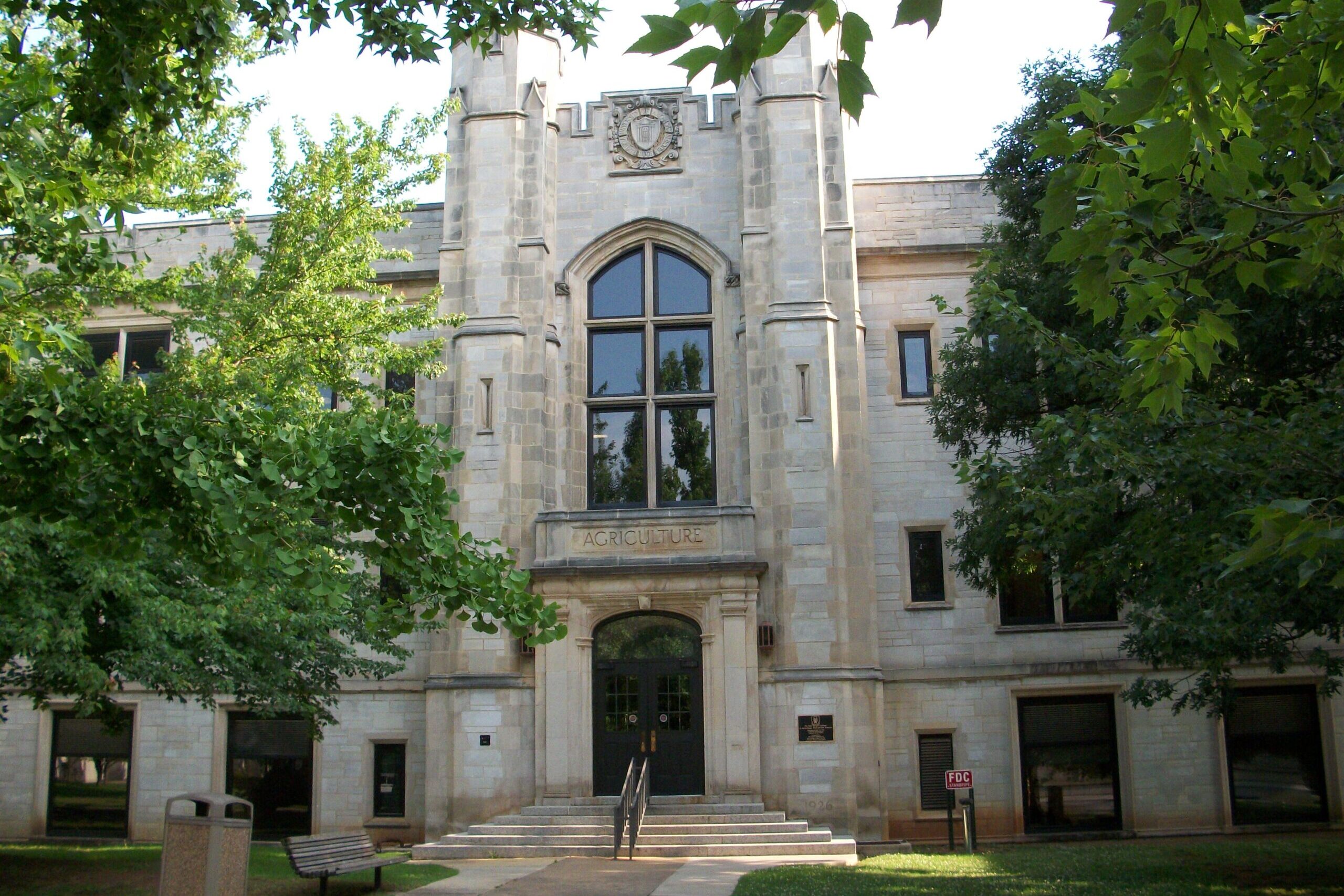
Students at the University of Arkansas flock to vibrant off-campus neighborhoods like Dickson Street (ZIP 72701), the University Historic District, Mount Sequoyah South, and areas near campus, all within a quick 1- to 2-mile walk, bike ride, or shuttle from campus. These areas mix historic charm, modern conveniences, and strong community energy, appealing to undergrads, grads, and young professionals alike. The Historic District and Dickson Street area buzz as the epicenter for student living, featuring converted homes and contemporary apartments with amenities like pools, fitness centers, and study lounges—perfect for balancing academics and social life while driving solid rental demand. Popular complexes include The Locale Fayetteville, known for stylish furnished units, pet-friendly designs, and proximity to campus; The Marshall at Arkansas, offering modern interiors, rooftop views, and gated access; Hill Place, with upgraded amenities, free shuttles, and spacious layouts; and College Town Fayetteville, boasting resort-style pools, clubhouses, and easy walks to Dickson Street hotspots.
Mount Sequoyah South enchants with its upscale, wooded charm—tree-lined streets, newer homes, and a quieter walkable atmosphere ideal for those craving a peaceful residential feel just south of campus. Surrounding areas draw creative and budget-conscious crowds with eclectic vibes, green spaces, and emerging energy, only a short drive or bus ride away. These neighborhoods not only connect via UA shuttles and campus proximity but also foster independence with nearby groceries, cafes, and trails, making off-campus life a seamless extension of the Razorback experience.
Fayetteville Rental Market
The rental market within 1.5 miles of the University of Arkansas, particularly in ZIP codes 72701 (Dickson Street/Downtown) and nearby zones, caters heavily to the university’s 30,000+ students. Modern apartments and shared houses dominate near campus due to high demand. As of early 2026, average rents in these areas range approximately $1,400–$1,800/month, above the citywide average of around $1,000–$1,400. Below are rental stats for student-centric properties:
- Average Rent per Bedroom: $700–$1,100, with premium units near campus often exceeding $1,300 for luxury apartments.
- Studio Apartments: $1,000–$1,500/month, with budget options in surrounding areas (~$900) and upscale spots Downtown (~$1,600).
- 1-Bedroom Apartments: $1,200–$1,700/month, averaging $1,400 in 72701. Affordable choices nearby start at $1,000.
- 2-Bedroom Apartments: $1,500–$2,100/month, with Dickson Street averages at $1,800. Shared rentals reduce costs (e.g., $900/person).
- 3-Bedroom Apartments/Houses: $2,000–$3,000/month, ideal for student groups. Mount Sequoyah areas offer deals around $2,200.
Smart housing options, like roommate shares or pre-leased units via apartment locators, help students manage costs. High demand during fall semesters drives early leasing near Dickson Street, while short-term rentals thrive during football games and events like homecoming. Data sources: Zillow, RentCafe, Apartments.com, UA off-campus resources.
Nightlife in Fayetteville
Fayetteville’s nightlife pulses with Razorback spirit, celebrated as a top college town for its blend of live music, dive bars, and game-day energy. Dickson Street’s iconic district offers walkable excitement from campus—especially during massive events like football Saturdays at Donald W. Reynolds Razorback Stadium in fall, when short-term rentals surge with crowds.
Dickson Street (72701) remains legendary for its bar-hopping heritage, featuring historic spots like George’s Majestic Lounge’s stages spilling live bands, rock, and country onto the streets. The area’s lively dives create a rowdy, party vibe with drink specials and games, while nearby lounges add eclectic flair for varied nights out.
Newer Twists on Fayetteville’s Nightlife Scene
Fayetteville’s nightlife continues to evolve with bold live music venues, craft spots, and hybrid hangouts, rooted in college traditions but embracing modern entertainment for diverse crowds—from energetic undergrad scenes to laid-back gatherings.
George’s Majestic Lounge: This Dickson Street icon stands as Arkansas’s oldest live music venue, featuring headliners, dance floors, and packed crowds—elevating the strip as a music hub with post-show energy.
Tin Roof: The vibrant core thrives on multi-level chaos, rooftop patios, and spots for live bands or pre-gaming—enhanced vibes make it a staple for unfiltered fun, especially during game-day spectacles.
Maxine’s Tap Room: This polished favorite attracts a 21+ crowd with craft cocktails, DJ nights, and themed events—merging Fayetteville’s spirited energy with upscale flair for sunset-to-dawn adventures.
Old Favorites Holding Strong: JJ’s Grill for casual eats and live sets; Farrell’s Lounge for cozy hangs and cheap drinks; The Piano Bar for intimate vibes and sing-alongs in its welcoming charm.
Dickson Gem: Sideways: This spot offers a relaxed escape with craft beers, patios, and occasional live music—serving hearty grub and local brews alongside a chill atmosphere near the action.
Dickson Street’s “Hog haven” rise with artsy dives and craft bars attracts nightlife seekers from quieter spots, showcasing Fayetteville’s resilient vibrancy.
Fueling Up: Great Eateries, Coffee Houses, and Breakfast Spots
Fayetteville’s food scene shines near UA, with late-night bites, study-friendly coffee, and hearty brunches—many spots doubling as hangouts with generous portions and student-friendly prices.
Eateries for Late-Night or Anytime Cravings:
- Tin Roof (Dickson Street): Famous for hand-breaded tenders, smash burgers, and game-day specials—perfect late-night fuel.
- JJ’s Grill (Dickson area): Classic burgers, wraps, and cold beers for quick, satisfying bites.
- Black Bear Diner (nearby): Hearty comfort food with extended hours for anytime cravings.
Coffee Houses for Study Sessions or Buzz:
- Arsaga’s at the Depot (Downtown): Cozy with expert lattes, pastries, and productive vibes—ideal for all-nighters.
- Onyx Coffee Lab (multiple spots): Bold roasts, seasonal drinks, and sleek spaces for focused work.
- Bolder Coffee (near campus): House blends with cozy atmosphere and light bites.
- Confident Coffee Roasters (Downtown): Patio-friendly mochas and artsy energy near nightlife.
Breakfast Spots to Start (or Recover) the Day:
- The Farmer’s Table Cafe (near campus): Farm-fresh pancakes, omelets, and Southern classics—worth the lines.
- The Buttered Biscuit (Fayetteville): Scratch-made biscuits, gravy, and hearty plates with ONYX coffee.
- First Watch (North Fayetteville): Innovative brunch like tri-fecta combos and fresh juices.
- Prelude Breakfast Bar (nearby): Elevated dishes with cocktails and bottomless options.
- Black Bear Diner (multiple): Big country breakfasts including omelets and pancakes in a family-friendly setting.
From Dickson Street apartment hunts to bar crawls, Fayetteville’s off-campus world keeps the energy alive—game nights flowing into strong coffee mornings. Embrace the “Woo Pig Sooie” spirit; the adventures (and flavors) are part of the fun.
Student Organizations and Activities at University of Arkansas
With over 500 registered student organizations, the University of Arkansas in Fayetteville builds a tight-knit “Razorback Family” where academics, cherished traditions, and enduring friendships converge on a scenic campus nestled in the Ozark Mountains. From exhilarating marches through the ‘A’ formed by the Razorback Marching Band to spirited cheers of “Woo Pig Sooie” echoing across campus, student life buzzes with accessible resources like academic support and career services, iconic customs such as Senior Walk inscriptions and homecoming festivities, and an inclusive culture promoting outdoor adventure, intellectual curiosity, community engagement, and Razorback pride in one of America’s most livable college towns.
Sports and Recreational Clubs
Athletic involvement is central to Razorback life through Intramural Sports at University Recreation (UREC), attracting thousands of participants each semester in dynamic leagues. Whether hurling in flag football, rallying in volleyball matches, or competing in spirited dodgeball rounds, offerings suit every experience level—no prior skill needed. Key favorites encompass basketball, soccer (indoor and outdoor), ultimate frisbee, racquetball, softball, and disc golf. Teams gather via residence halls, Greek groups, classmates, or as independents, with easy registration on IMLeagues and free or low-cost play for students. Playoffs, brackets, and awards amplify the program’s competitive spirit and welcoming vibe.
For more dedicated competition, around 25-28 club sports deliver organized intensity, highlighting distinctive options like bass fishing, boxing, cycling, ice hockey, lacrosse, quidditch, and ballroom dance. These student-run teams contest regionally and nationally, nurturing leadership with regular practices, travel, and outdoor pursuits—perfect for offsetting demanding coursework with teamwork, new connections, and excitement at UREC venues or Fayetteville’s natural trails and lakes.
Faith and Identity Communities
Spiritual exploration and cultural ties flourish in welcoming spaces that honor a wide array of beliefs and backgrounds. Razorbacks for Christ offers non-denominational Bible studies, worship gatherings, and campus outreach, fostering growth in faith. Cru at the University of Arkansas provides large-group events, small Bible studies, and community building, while the Baptist Collegiate Ministry hosts Monday night meetings, discipleship, and service near campus.
Broader connections enhance variety: United Campus Ministry supports interfaith dialogue and service; groups like Chi Alpha Ministries, StuMo, and the Council of Religious Organizations create inclusive environments. Organizations such as the Muslim Students Association, Hillel (if present), and multicultural faith alliances offer prayer spaces, cultural events, and fellowship, blending personal spiritual journeys with social bonds and Northwest Arkansas outreach for reflective and supportive communities.
Political and Ideological Engagement
Passionate about ideas and civic involvement? UA’s political environment spans perspectives with platforms for discussion, activism, and leadership. Turning Point USA at the University of Arkansas advances conservative principles through bi-weekly meetings, speakers, tabling, and events that frequently generate campus-wide conversations on freedom, American values, and open dialogue. Counterparts include student groups like Young Democrats for progressive advocacy, voter drives, and socials, alongside UA College Republicans focusing on policy and engagement.
Non-partisan and bridge-building initiatives appear through efforts like BridgeUofA, facilitating cross-ideological discussions and election events. Intellectual depth is added by debate societies, Model UN, and policy-oriented clubs, sharpening skills in various debate formats with open opportunities for participation. These groups refine critical thinking and public speaking, preparing future leaders for respectful discourse in Fayetteville’s vibrant, outdoorsy setting.
From marching through the ‘A’ on game day, contributing to community service, or battling in an intramural disc golf tournament, Razorback student life is crafted—one tradition, one cheer, one meaningful friendship at a time. Find your fit via HogSync (hogsync.uark.edu), involvement fairs, or highlights in The Arkansas Traveler. Woo Pig Sooie.
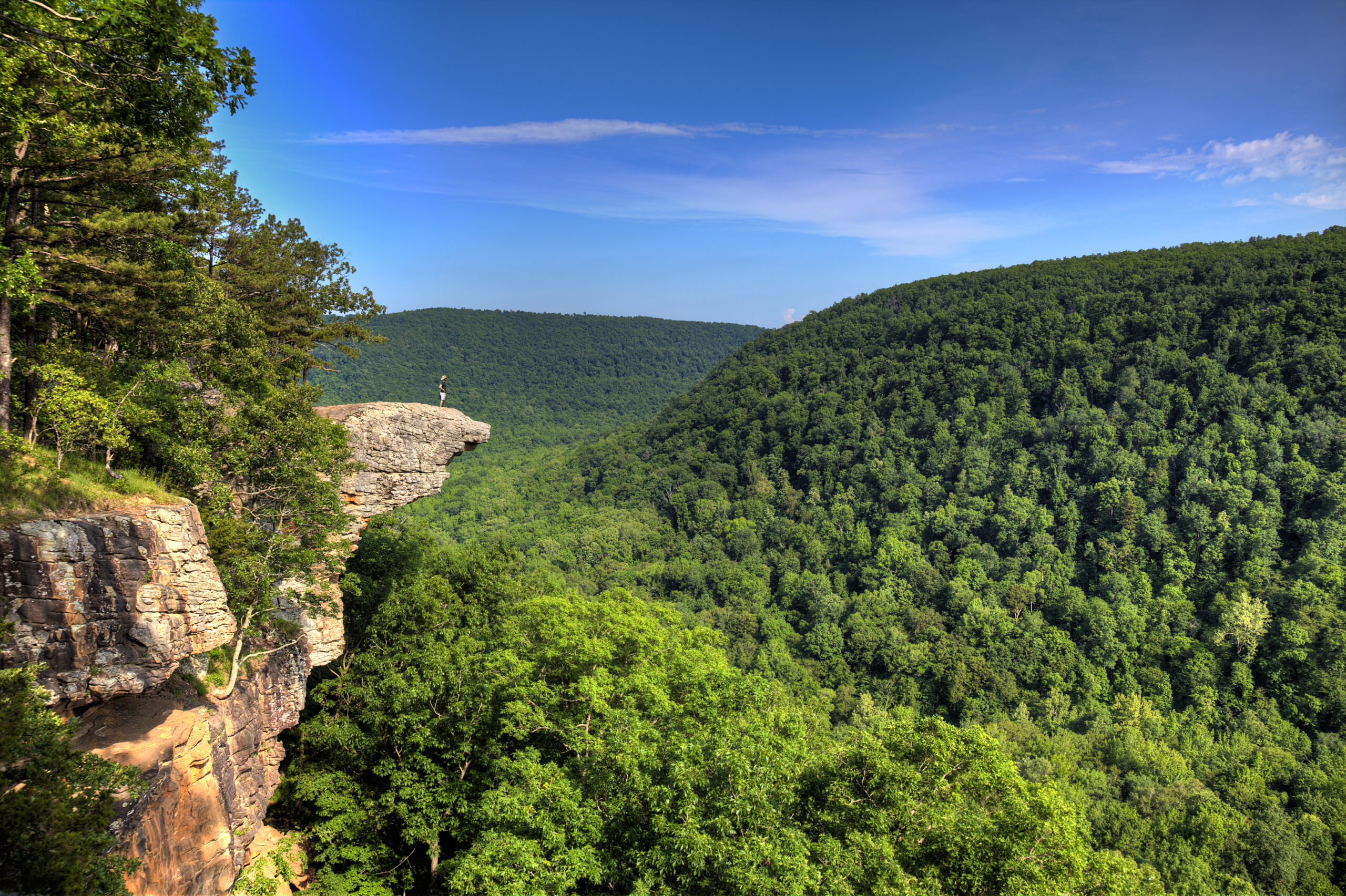
Benefits of Investing in Properties Near the University of Arkansas
Investing in real estate near the University of Arkansas delivers a powerful mix of tuition affordability, consistent rental returns, enduring equity growth, and valuable family advantages. In sought-after neighborhoods like Dickson Street area, Downtown Fayetteville, and campus-adjacent zones such as the University Historic District, properties enjoy strong, ongoing demand from a large student population, supported by Fayetteville’s dynamic economy in education, retail, technology, healthcare, and emerging sectors in Northwest Arkansas, establishing the area as a thriving hub for growth and opportunity.
Unlocking In-State Tuition Savings
Arkansas residency regulations enable families to secure substantially lower in-state tuition by establishing bona fide domicile, commonly through property ownership and related ties. Out-of-state undergraduate tuition at the University of Arkansas significantly exceeds in-state rates, yielding major annual savings—for instance, recent figures show in-state tuition around $10,000 to $11,000 compared to over $30,000 to $31,000 for non-residents. Purchase a condo or home in prime locations like those near Dickson Street or campus, have your student live there (often with roommates), and establish residency with documentation including the property deed, Arkansas driver’s license, voter registration, and other proofs of intent to remain. After meeting the state’s requirements, typically involving at least six to twelve consecutive months of physical presence and domicile intent, reclassification is generally achievable, locking in reduced rates from the sophomore year onward and providing substantial cost reductions over the full degree program.
Generating Strong Rental Cash Flow
The University of Arkansas’s steady high enrollment generates persistent demand, ensuring well-positioned properties near campus experience very low vacancy rates. Updated condos or single-family homes in key areas lease quickly at competitive per-bedroom rates, often producing income that covers or surpasses monthly obligations. Thoughtful financing along with multi-tenant setups frequently allows rental proceeds to offset mortgage principal and interest, property taxes, insurance, and any HOA fees—delivering neutral or positive cash flow from the outset. Market-aligned annual rent increases further strengthen profitability, transforming the property into a largely self-sustaining investment while giving your student easy access to convenient, on-campus-proximate living.
Building Equity Through Appreciation and Paydown
Fayetteville’s central neighborhoods around the University of Arkansas have exhibited reliable, steady property value appreciation driven by limited supply and the continuous influx of students, professionals, and families drawn to the region’s economic vitality and Northwest Arkansas momentum. Combined with regular principal reduction from mortgage payments primarily covered by tenants, equity accumulates dependably over time. This effective combination of value growth and debt paydown builds significant net worth in a stable, high-demand market—offering a lower-volatility pathway to wealth compared to more unpredictable investment environments.
Creating a Family Launchpad
Upon graduation, the matured property acts as an outstanding foundation for future endeavors. Families may opt to sell and capture gains to fund a down payment on a larger home in expanding Fayetteville communities or nearby areas, or refinance to access equity in a tax-efficient manner while retaining the rental for ongoing income. This strategy equips your graduate with a substantial financial edge—far surpassing starting from scratch—converting college housing into a key stepping stone toward independent homeownership and long-term stability.
Imparting Lifelong Financial Lessons
Property ownership provides practical, immersive experiences that extend well beyond academic learning. Your student develops hands-on skills in roommate management, property maintenance, lease administration, and core financial principles through direct application. These real-world insights demystify investing, promote accountability, and instill lasting confidence in wealth-building strategies that grow over a lifetime—turning a strategic property purchase into a transformative education in financial independence.
Powered by Fayetteville’s vibrant economic landscape, innovation growth in Northwest Arkansas, and consistent student-driven demand, near-campus investments stand out for their resilience and multi-faceted benefits. From significantly lowering tuition expenses to cultivating generational wealth, one carefully selected property near the iconic Old Main or Donald W. Reynolds Razorback Stadium can reshape both educational experiences and long-term financial futures.
In-State Tuition Savings Over Time
| Duration | In-State Tuition | Out-of-State Tuition | Savings |
|---|---|---|---|
| 1 Year | $9,748 | $33,294 | $23,546 |
| 2 Years | $19,496 | $66,588 | $47,092 |
| 3 Years | $29,244 | $99,882 | $70,638 |
| 4 Years | $38,992 | $133,176 | $94,184 |
Top Academic Programs
UA offers 220 undergraduate, graduate, and professional programs across 10 colleges, with research strengths in agriculture, engineering, and business. Its $184 million in 2022 research supports initiatives like the Center for Food Safety. Top undergraduate programs include:
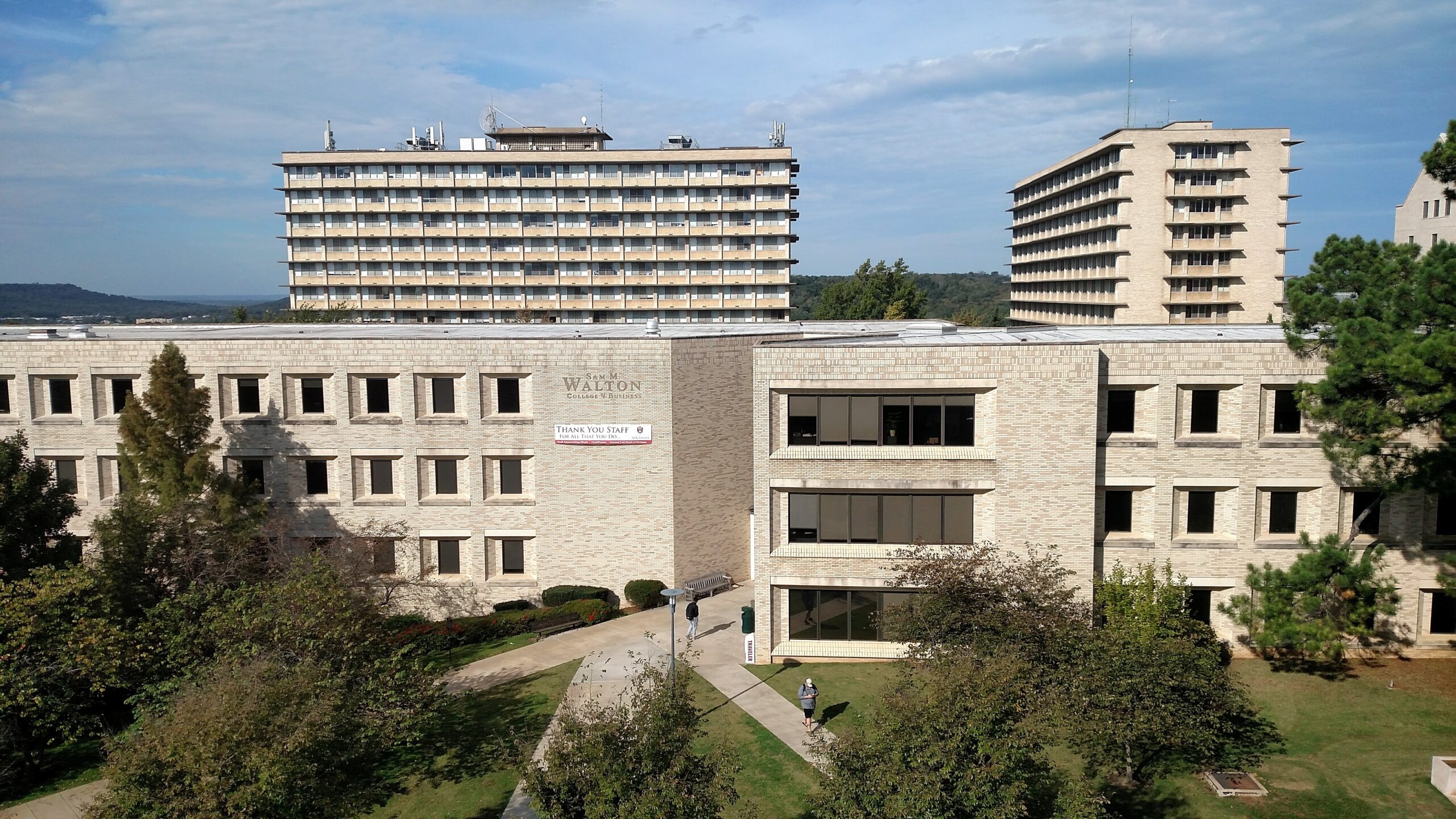
Business:
The Sam M. Walton College of Business, ranked #27 nationally, excels in supply chain management, with alumni at Walmart and Tyson Foods.
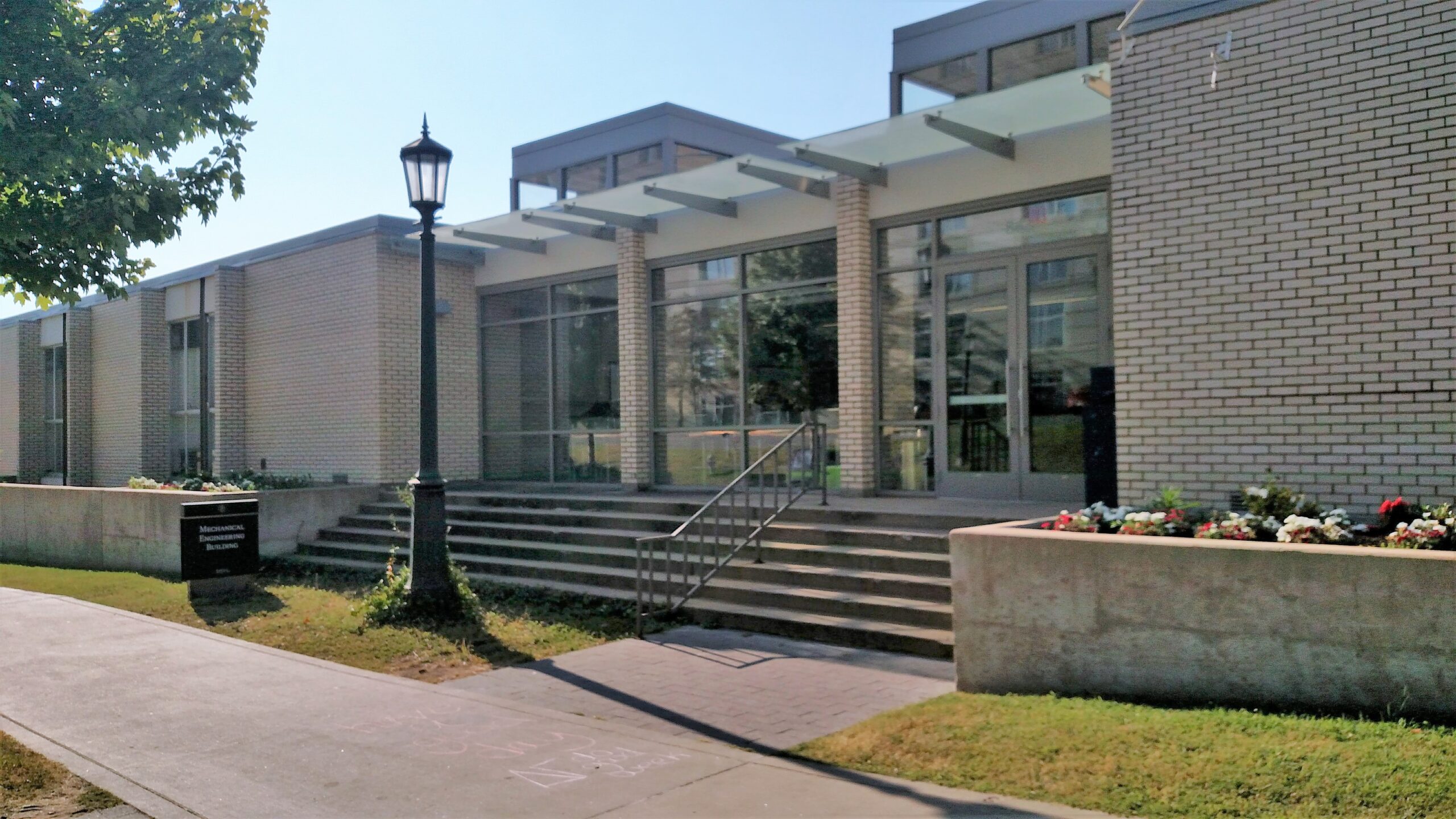
Engineering:
The College of Engineering, ranked #104 nationally, leads in electrical and biomedical engineering, with research at the National Center for Reliable Electric Power Transmission.
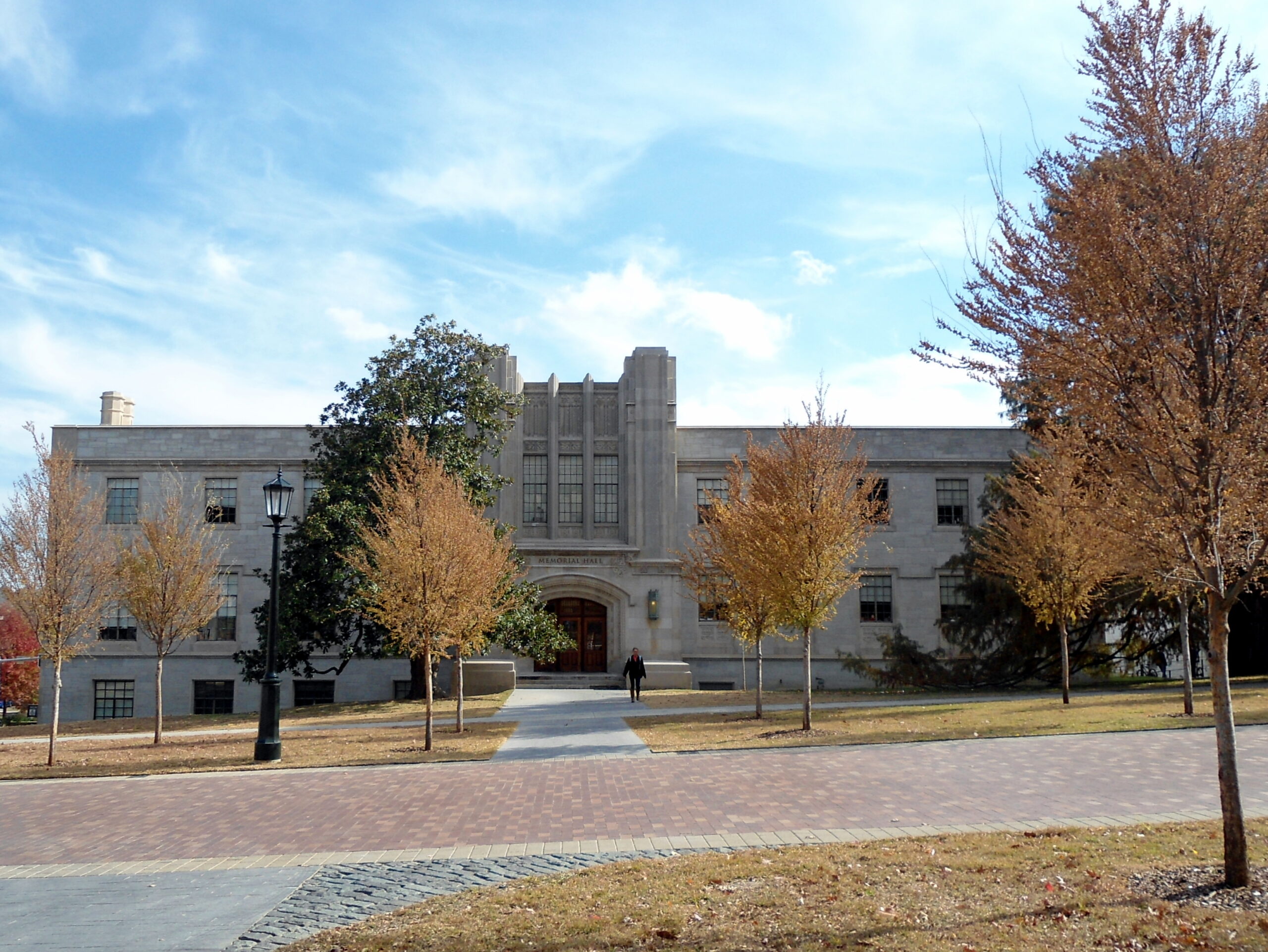
Architecture:
The Fay Jones School of Architecture and Design is nationally acclaimed for sustainable design, with projects in the Ozarks.
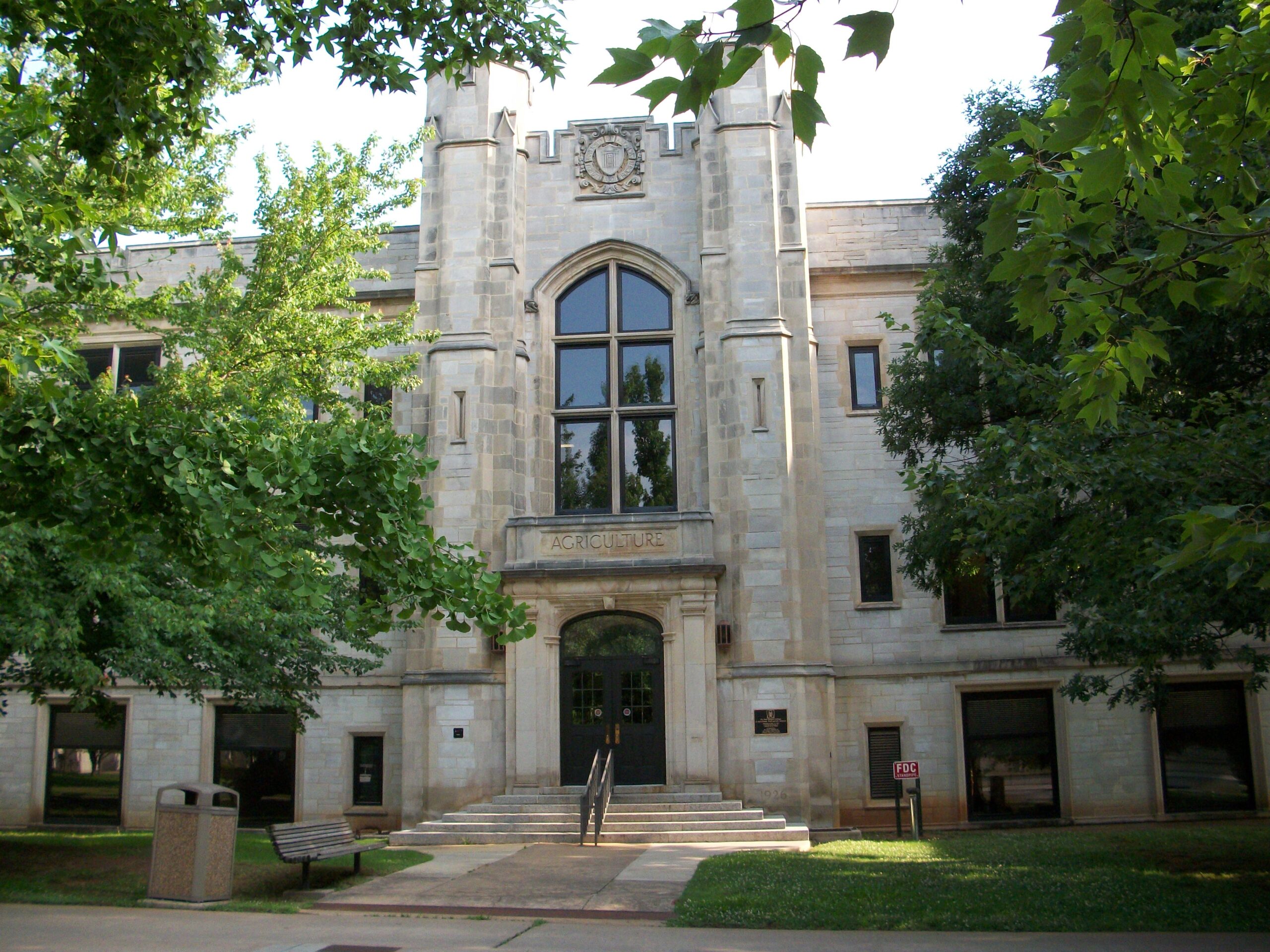
Agriculture:
The Dale Bumpers College of Agricultural, Food and Life Sciences advances food security, with research at the Arkansas Agricultural Experiment Station.

Journalism:
The J. William Fulbright College of Arts and Sciences trains media professionals, with alumni at CNN and ESPN.
Notable Alumni of the University of Arkansas
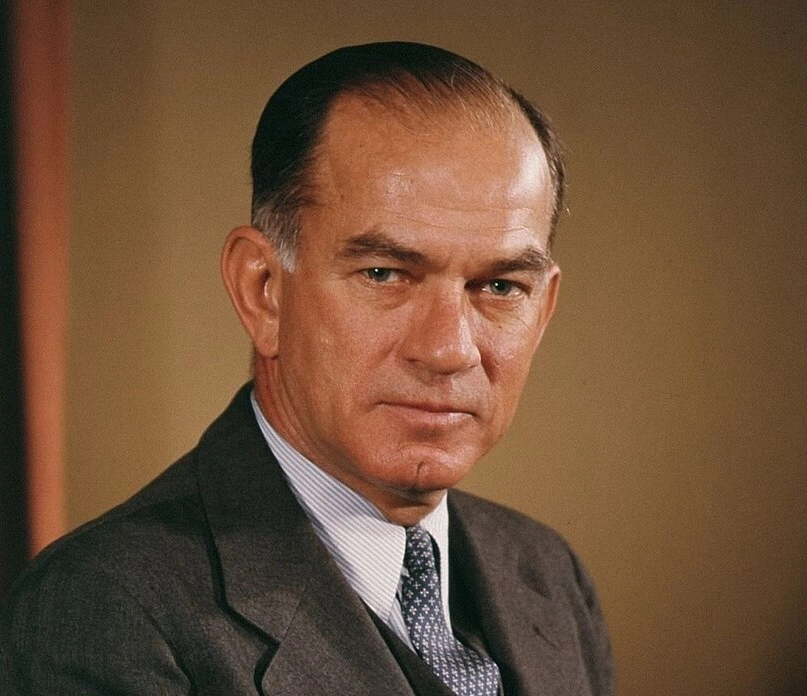
J. William Fulbright
J. William Fulbright, born in Sumner, Missouri in 1905, graduated from the University of Arkansas in 1925 with a bachelor’s degree in political science, where he excelled as student body president, played varsity football for the Razorbacks from 1921 to 1924, and became a member of Sigma Chi fraternity. What began as a promising academic and athletic foundation led to a Rhodes Scholarship at Oxford University, a law degree from George Washington University, brief practice in Washington, D.C., and a return to Fayetteville in 1936 as a law professor. He ascended rapidly to serve as president of the University of Arkansas from 1939 to 1941—the youngest university president in the nation at the time—before launching his storied political career as a U.S. Representative and then Senator from Arkansas (1945–1974), where he chaired the Senate Foreign Relations Committee and authored the landmark Fulbright Program in 1946 to promote international educational exchange and mutual understanding.
His ties to the University of Arkansas endure through his profound and enduring legacy, most prominently marked by the renaming of the College of Arts and Sciences as the J. William Fulbright College of Arts and Sciences in 1981 to honor his vision for global education and scholarship. The university houses his extensive papers and memorabilia in Special Collections, supports ongoing research into his contributions, and maintains active partnerships with the Fulbright Program worldwide, including collaborative events and expanded initiatives to celebrate his impact on international exchange. Fulbright himself returned to campus for lectures and events over the years, and his philosophy continues to guide university efforts in fostering cross-cultural understanding. Today, these elements sustain Arkansas’s emphasis on liberal arts excellence, global engagement, and academic innovation, embodying his lifelong dedication to education as the path to peace and progress for the Razorback community and beyond.

Jerry Jones:
Jerry Jones, born in Inglewood, California in 1942, grew up in Little Rock, Arkansas, and attended the University of Arkansas from 1961 to 1965 after earning a football scholarship following his standout high school career at North Little Rock High School. What began as a role on the Razorback football team—where he played guard, served as a starter, and co-captained the undefeated 1964 squad to the national championship under legendary coach Frank Broyles—evolved into a transformative business and sports empire. After graduating with a Bachelor of Science in business administration in 1965 and earning a master’s degree from the University of Arkansas in 1970, Jones built his father’s insurance and oil businesses before purchasing the Dallas Cowboys in 1989 for $140 million, turning the franchise into one of the world’s most valuable sports properties through innovative marketing, stadium development (including AT&T Stadium), and multiple Super Bowl victories.
His ties to the University of Arkansas endure through his iconic legacy as a Razorback football hero and substantial philanthropy that continues to strengthen Razorback athletics. Key contributions include a $10.65 million gift from Jerry and his wife Gene in 2015 to support the Jerry & Gene Jones Family Student-Athlete Success Center—an integrated facility for academic, nutritional, personal, and professional development—along with funding for a monument honoring the 1964 national championship team. He has been inducted into the Arkansas Business Hall of Fame (Walton College), the Cotton Bowl Hall of Fame, and recognized for his role in the 1964 championship legacy, while returning to campus for events, speaking engagements, and interactions with current players and coaches. Today, these initiatives enhance student-athlete support, facilities, and program excellence, sustain the Razorbacks’ competitive edge in the SEC, and inspire future generations of Arkansas athletes and leaders, reflecting his deep loyalty to his alma mater and the enduring spirit of the 1964 champions.

Mary Steenburgen:
Mary Steenburgen, born in Newport, Arkansas in 1953, grew up in North Little Rock and enrolled at Hendrix College in Conway, Arkansas in 1971 to study drama after high school. What began as her pursuit of acting on the small liberal arts campus—where she honed her craft under encouraging professors—evolved into a bold move in 1972 when, on the recommendation of her drama teacher, she left college to study professionally at the Neighborhood Playhouse School of the Theatre in New York City. Her breakthrough came in 1979 with an Academy Award-winning performance as Lynda Dummar in Melvin and Howard, launching a distinguished career spanning over four decades in film, television, and stage, including acclaimed roles in Back to the Future Part III, What’s Eating Gilbert Grape, The Proposal, Last Vegas, and TV series like Joan of Arcadia and The Last Man on Earth, alongside her work as a singer-songwriter.
Her ties to Arkansas endure through her deep pride in her roots and ongoing advocacy for the arts and education in the state. While her primary collegiate connection is to Hendrix College—where she received an honorary Doctor of Fine Arts degree in 1989 and has been celebrated in alumni spotlights and media—she maintains strong statewide affiliations as an Arkansas native. She has been inducted into the Arkansas Women’s Hall of Fame, supported cultural initiatives, and spoken publicly about her Arkansas upbringing, including in interviews highlighting her time at Hendrix and the encouragement that propelled her career. She has returned for events, received honors from institutions like Lyon College (honorary Doctor of Humane Letters in 2006), and continues to inspire through her legacy of creativity and resilience. Today, her story bolsters Arkansas’s reputation for producing world-class talent in the arts, encourages aspiring performers across the state, and reflects her enduring commitment to the communities and educational foundations that shaped her extraordinary path.

John Daly:
John Daly, born in Carmichael, California in 1966, attended the University of Arkansas in Fayetteville from 1984 to 1987 on a golf scholarship, where he played on the Razorbacks men’s golf team under coach Steve Loy and earned recognition as an All-American. What began as a collegiate career marked by powerful driving and competitive play—culminating in low rounds and team contributions—evolved into one of the most colorful and resilient journeys in professional golf after he turned pro in 1987. Daly burst onto the scene by winning the 1991 PGA Championship as a ninth alternate in his first major start, followed by a dramatic victory at the 1995 Open Championship at St. Andrews, along with multiple PGA Tour wins, the longest drive records, and a reputation for his “grip it and rip it” style, bold personality, and overcoming personal challenges.
His ties to the University of Arkansas endure through his iconic status as a Razorback golf alumnus and his vocal lifelong loyalty to the program and the state. He has publicly expressed his enduring love for the Arkansas Razorbacks—often wearing gear, cheering them on, and referencing his time in Fayetteville—despite occasional humorous anecdotes about loaned trophies. While his philanthropy has focused on initiatives like the John Daly Foundation supporting youth programs (including a Boys & Girls Club in Dardanelle, Arkansas), he maintains strong connections through family legacy—his son John Daly II is a standout current Razorback golfer—and returns for events, interviews, and interactions that celebrate his contributions to Arkansas golf history. Today, his story inspires Razorback athletes and fans alike, bolstering the men’s golf program’s national profile, emphasizing resilience and big-hitting excellence, and reflecting his deep-rooted pride in his alma mater and the enduring spirit of the Hogs.

Alice Walton:
Alice Walton, born in Newport, Arkansas in 1949, is the daughter of Walmart founder Sam Walton and a key figure in the Walton family’s legacy of business innovation and philanthropy. While she earned her bachelor’s degree in economics and finance from Trinity University in San Antonio, Texas, her deep familial and regional ties to the University of Arkansas—rooted in her father’s Arkansas origins and the family’s transformative support—have made her a prominent honorary alumna and benefactor. What began as the Walton family’s vision for advancing education in their home state evolved into unprecedented investments that elevated the University of Arkansas to new heights in business, arts, and research.
The Walton family’s ties to the University of Arkansas endure through historic philanthropy that has reshaped the institution and its flagship Sam M. Walton College of Business. Key contributions include the Walton Family Charitable Support Foundation’s landmark $50 million gift in 1998—the largest single donation ever to a U.S. business school at the time—which renamed the College of Business Administration in honor of Sam Walton, followed by a record-breaking $300 million commitment in 2002 (fully transferred by 2003) to support scholarships, faculty, facilities, and programs across the university. Additional major gifts include funding for the new School of Art in 2017 to enhance access to arts education statewide, and ongoing support through the Walton Family Charitable Support Foundation for research, student success, and community initiatives. Alice Walton herself received an honorary Doctor of Arts and Humane Letters from the University of Arkansas in 2012, delivered the commencement address, and has been celebrated for her role in cultural and educational advancement, including her founding of Crystal Bridges Museum of American Art in Bentonville, which collaborates with the university. Today, these initiatives drive excellence in business education, foster innovation and global perspectives, expand access to the arts, and strengthen Arkansas’s economic and cultural landscape, embodying the Walton family’s enduring commitment to their home state’s flagship university, the Razorback community, and future generations of leaders.
Why the University of Arkansas Is a Great Choice for Investing In College Properties
Fayetteville’s economic strength, cultural vibrancy, and Ozark beauty, with 101,680 residents and a metro population of 576,403, make it an ideal place to live and study. Establishing Arkansas residency, achievable after 12 months, offers significant benefits for UA students. In-state tuition for 2024-2025 is $9,748, compared to $33,294 for out-of-state, saving $23,546 annually. Fayetteville’s real estate market, with a median home price of $384,487 and high rental demand near UA, supports investment in student housing. Owning property in areas like the UA Historic District aligns with lifestyle and financial goals, making Fayetteville a smart investment.