
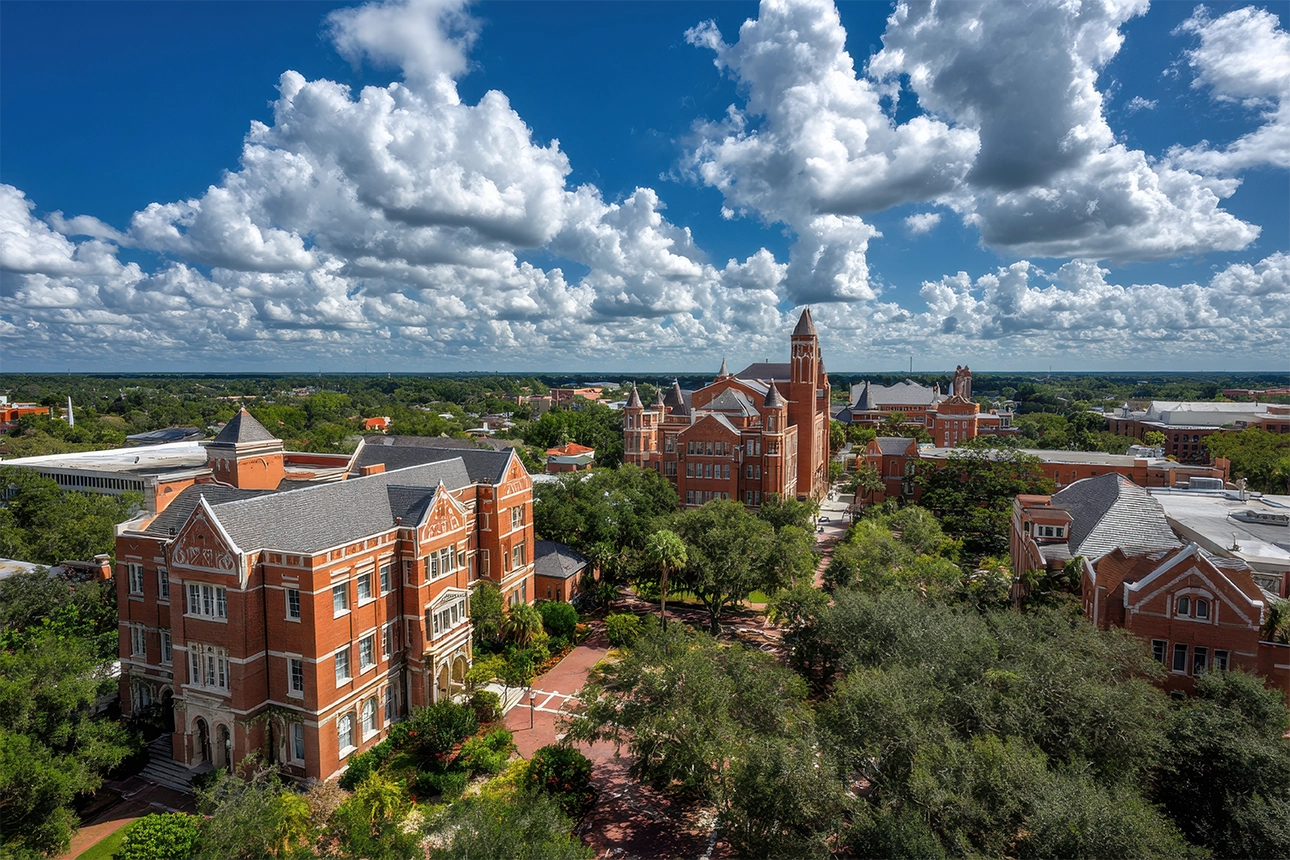
University of Florida in Gainsville
Study, Work, Live & Play in Gainesville, FL
Nestled in north-central Florida amid rolling hills and natural springs, the University of Florida integrates leading public research academics with the spirited atmosphere of a classic college town, powerful Gator pride, and contributions to science, health, and innovation. Gainesville fosters a lively yet grounded setting where intellectual curiosity meets outdoor exploration, cultural offerings, and Southern hospitality, appealing to students, professionals, and families who seek balance, achievement, and community. From renowned museums and historic landmarks to preserve trails and energetic downtown scenes, Gainesville builds experiences that inspire growth, connection, and lasting memories.
Study in Gainesville, FL
The University of Florida functions as a premier flagship, drawing committed students nationwide and internationally with its rigorous academics, extensive research involvement, and enduring campus identity. In U.S. News & World Report’s 2026 rankings, UF secures No. 30 among National Universities and No. 7 among Top Public Schools, with standout programs in fields like business, engineering, and health sciences. Niche emphasizes its vibrant campus environment, strong sense of community, and high student satisfaction through active extracurriculars and inclusive activities.
Covering a 2,000-acre campus marked by the prominent Century Tower with its carillon bells that chime across the grounds, students engage in meaningful projects via the Center for Undergraduate Research, offering programs like mentorship pairings, summer fellowships, and faculty-led initiatives across disciplines. Key highlights feature the Florida Museum of Natural History with vast collections of fossils, biodiversity specimens, and interactive exhibits; the Harn Museum of Art displaying Asian, African, and contemporary works; and traditions such as the Gator Chomp, Plaza of the Americas gatherings with Krishna Lunch, and Victory Bell ringing after wins. With R1 research standing and a unified Gator Nation, UF provides an outstanding foundation for scholars pursuing depth, innovation, and real-world application.
Work in Gainesville, FL
Gainesville’s employment opportunities expand through education leadership, healthcare dominance, and emerging tech sectors, supported by UF’s substantial statewide contributions and steady job additions. The University of Florida and its affiliates generate billions in economic activity annually, backing tens of thousands of positions directly and indirectly while advancing research, workforce training, and innovation.
Core drivers include UF Health Shands Hospital as a major healthcare employer, biotech and life sciences firms tied to university spin-offs, and growing roles in education and services. Recent data shows modest employment gains in the metro area, with low-to-moderate unemployment offering stability in professional, medical, and research-oriented fields. This integrated ecosystem in a university-centered town supports career building with access to collaboration, professional development, and a high quality of life.
Live in Gainesville, FL
Gainesville presents a welcoming, nature-rich lifestyle that has earned recognition among Livability.com’s Top 100 Best Places to Live in the US for 2025, praised for affordability, strong schools, outdoor access, and resident satisfaction. The dining variety covers Southern classics and creative options, from inventive burgers at The Top to wood-fired specialties at Embers Wood Grill and eclectic pies at Satchel’s Pizza, alongside hundreds of spots blending local and global influences.
With abundant sunny days, residents enjoy over 100 parks and preserves like Paynes Prairie Preserve State Park for wildlife viewing and hiking, Devil’s Millhopper Geological State Park’s sinkhole trails, Kanapaha Botanical Gardens’ themed displays, and Lake Santa Fe for boating. Neighborhoods combine college vibrancy with family appeal, emphasizing friendly interactions and a relaxed pace. Gainesville’s mix of intellectual energy, natural surroundings, and steady appeal creates a comfortable, engaging place to call home.
Play in Gainesville, FL
Gainesville comes alive with Gator enthusiasm and community celebrations, centered on signature events that unite crowds: the Santa Fe College Spring Arts Festival (typically March) featuring juried art and performances; the Gainesville Downtown Festival & Art Show with street vendors and live music; and high-energy game days at Ben Hill Griffin Stadium complete with tailgating, the Gator Chomp, and post-win traditions. Outdoor activities thrive at Paynes Prairie’s bison and wild horse sightings, Devil’s Millhopper’s shaded paths, or nearby springs for swimming and kayaking.
Experiences include exhibits at the Florida Museum of Natural History and Harn Museum of Art, shows at the Hippodrome State Theatre, or seasonal gatherings like the Hoggetowne Medieval Faire and Asian Festival. Whether cheering in the stands, exploring natural wonders, or joining downtown arts and music events, Gainesville delivers a full array of recreation grounded in Florida pride, natural beauty, and genuine community spirit.
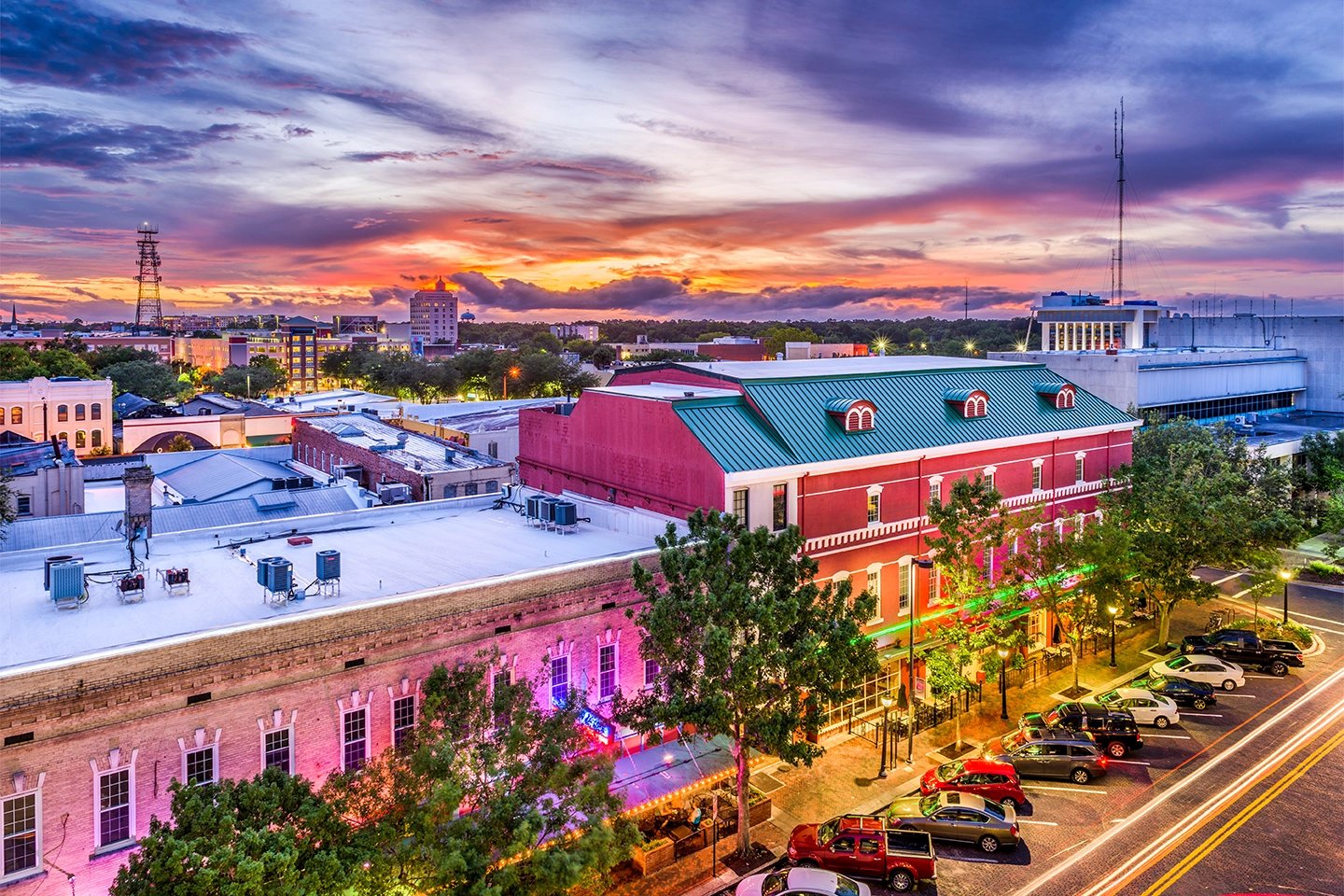
Learn Your History & Stats
College History
Established in 1853 as one of Florida’s earliest public institutions and evolving into the state’s senior land-grant university, the University of Florida has navigated key transformations—including post-Civil War recovery, coeducation expansion, and integration milestones in the 1950s-60s—to emerge as a distinguished Public Ivy with R1 status for very high research activity. Defining eras feature the rise of Gator traditions, groundbreaking agricultural and medical advancements, and a commitment to inclusive excellence. UF has graduated standout alumni such as Tim Tebow (Heisman Trophy winner and NFL quarterback), Faye Dunaway (Academy Award-winning actress), Marco Rubio (U.S. Senator), Erin Andrews (sports broadcaster), Emmitt Smith (NFL Hall of Famer), and leaders in science, politics, and entertainment. The Warrington College of Business maintains momentum with undergraduate programs ranked in the top 25 among publics (U.S. News & World Report 2026), elite Online MBA at No. 3 among publics (U.S. News 2025), strong analytics and entrepreneurship placements, and initiatives that connect students to Florida’s dynamic economy for innovation and professional growth. The Levin College of Law ranks No. 38 nationally (U.S. News & World Report 2025), excelling as a top public value with No. 1 tax law among publics, outstanding salary-to-debt outcomes, and robust programs in trial advocacy, environmental law, and beyond for superior job placement in Florida and nationally. The University of Florida shines in premier academic rankings, securing No. 7 among public universities and No. 30 nationally (U.S. News & World Report 2026), with competitive global standings (QS World University Rankings 2026 around 200-300 range) and features in Times Higher Education, underscoring its R1 research surge to a record $1.33 billion in expenditures for FY2025, leadership in AI, medicine, agriculture, and sustainability, plus the electric Gator pride fueling traditions like the Gator Chomp and Ben Hill Griffin Stadium cheers.
Student Population and Housing Market Insights
Approaching or exceeding 56,000-57,000 students in fall 2025 (approximately 36,000-37,000 undergraduates and 20,000+ graduates with continued upward trends), the University of Florida draws a diverse and expansive community, with Florida residents forming the core (typically 60-70% or more based on patterns), out-of-state students contributing from across the U.S., and international students from over 140 countries adding global depth. On-campus residence halls and facilities house a solid portion of students (especially freshmen with higher requirements, covering thousands), while the majority—around 75% or more—pursue off-campus living in apartments, houses, or Greek options throughout Gainesville. This reliable off-campus flow sustains a thriving rental market in central neighborhoods like ZIP 32601 (campus core and midtown area) and adjacent zones such as ZIP 32603, 32605, and 32607. Over the past 15 years, home values in these ZIP codes have demonstrated strong appreciation, driven by UF’s enrollment growth, research breakthroughs, and Gainesville’s attractive college-town vibe, yielding impressive long-term returns for property owners per Zillow and CoreLogic data (with medians in the $280,000-$410,000 range across neighborhoods and consistent positive trends). Many investors utilizing platforms like collegehomes.com uncover diverse strategies for generating returns in the University of Florida markets, capitalizing on the substantial student renter base for steady, recurring demand. Furthermore, Florida residents benefit from major in-state tuition savings, often exceeding $100,000 over four years compared to out-of-state rates (around $6,381 in-state vs. $30,886 out-of-state annually), making UF a premier, accessible flagship for families investing in roots within the state.
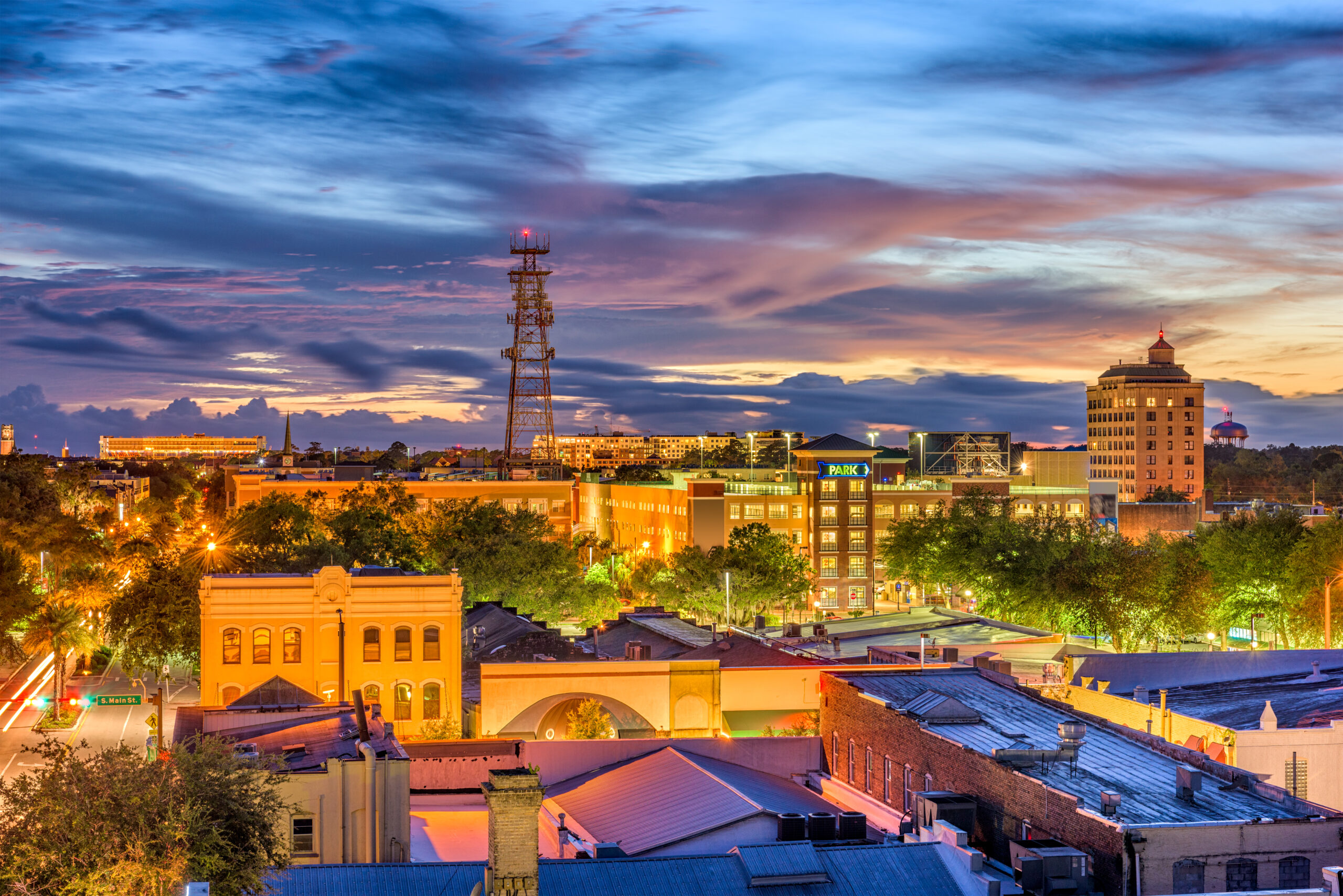
Off-Campus Living and Nightlife in Gainesville
Students at the University of Florida flock to energetic off-campus neighborhoods like Midtown (ZIP 32603), Sorority Row/Southwest, The Standard area near University Avenue, and Butler Plaza, all within a quick 1- to 2-mile walk, bike ride, or shuttle from campus. These areas blend urban convenience, student-focused amenities, and community vibes, attracting undergrads, grads, and young professionals alike. Midtown buzzes as the epicenter for modern student living, packed with apartments featuring amenities like resort-style pools, fitness centers, and study lounges—perfect for balancing academics and social life while fueling strong rental demand. Popular complexes include The Standard at Gainesville, known for its prime corner location, luxury finishes, and proximity to campus; UFORA Gainesville, offering game-changing designs, rooftop views, and direct street-from-campus access; The Row, with sophisticated units in Sorority Row, clubhouses, and easy walks to nightlife; and Hub on Campus Gainesville, boasting modern amenities, resident events, and stellar service near University Avenue.
Butler Plaza captivates with its suburban charm—shopping centers, green spaces, and a quieter walkable atmosphere filled with eateries and parks, ideal for those craving a more relaxed residential feel just west of campus. Areas like Haile Plantation draw families and grads with upscale homes and trails, only a short drive or bus ride away. These neighborhoods not only provide easy access to UF shuttles and Ben Hill Griffin Stadium but also foster independence with nearby groceries, cafes, and trails, making off-campus life a seamless extension of the Gator experience.
Gainesville Rental Market
The rental market within 1.5 miles of the University of Florida, particularly in ZIP codes 32603 (Midtown/University Ave), 32601 (Downtown), and nearby areas, caters heavily to the university’s 50,000+ students. Modern apartments and shared houses dominate Midtown and Sorority Row due to high demand. As of early 2026, average rents in these areas range approximately $1,400–$1,900/month, above the citywide average of around $1,200–$1,600. Below are rental stats for student-centric properties:
- Average Rent per Bedroom: $800–$1,200, with premium Midtown units often exceeding $1,400 for luxury apartments near campus.
- Studio Apartments: $1,100–$1,600/month, with budget options in outer areas (~$900) and upscale spots near University Ave (~$1,700).
- 1-Bedroom Apartments: $1,200–$1,700/month, averaging $1,500 in 32603. Affordable choices nearby start at $1,000.
- 2-Bedroom Apartments: $1,500–$2,200/month, with Midtown averages at $1,800. Shared rentals reduce costs (e.g., $900/person).
- 3-Bedroom Apartments/Houses: $2,000–$3,000/month, ideal for student groups. Butler Plaza options around $2,200.
Smart housing options, like roommate shares or pre-leased units via apartment locators, help students manage costs. High demand during fall semesters drives early leasing in Midtown, while short-term rentals thrive during football games and events like Gatornationals. Data sources: RentCafe, Apartments.com, Zillow, UF off-campus housing resources.
Nightlife in Gainesville
Gainesville’s nightlife throbs with Gator energy, ranked among top college towns for its mix of live music, dive bars, and game-day chaos. Midtown along University Avenue and Downtown districts deliver walkable or quick-ride access from campus—especially during massive events like football Saturdays at Ben Hill Griffin Stadium in fall and festivals, when short-term rentals spike with crowds.
Midtown (32603) remains legendary for its college bar heritage, featuring spots like Grog House’s dance floors and all-you-can-drink specials spilling high-energy vibes onto University Avenue. The area’s lively dives create a rowdy, party atmosphere with drink specials and games, while Downtown Gainesville adds eclectic flair with breweries and lounges for varied nights out.
Newer Twists on Gainesville’s Nightlife Scene
Gainesville’s nightlife continues to evolve with bold club vibes, craft spots, and hybrid venues, rooted in Gator traditions but embracing modern entertainment for diverse crowds—from energetic undergrad scenes to sophisticated gatherings.
Grog House: This Midtown staple since 1996 serves as a cornerstone for 18+ clubbing, featuring playlists from the 90s/2000s, ladies’ nights, and packed dance floors—drawing massive crowds and elevating Midtown as a high-energy hub with post-game buzz.
Fat Daddy’s (Fats): The chaotic core thrives on house music, slushees, and spots for pre-gaming or late-night fun—enhanced atmospheres make it a staple for unfiltered excitement, especially during game-day spectacles.
Simons: This polished venue attracts a 21+ crowd with high-end vibes, DJ sets, and themed nights—merging Gainesville’s spirited energy with upscale flair for all-night adventures.
Old Favorites Holding Strong: The Top for quirky hangs and cheap drinks; Salty Dog Saloon for relaxed dives and pool; MacDinton’s Gainesville for Irish pub charm with rooftop terraces and brews.
Midtown Gem: University Club: This spot offers a relaxed escape with diverse crowds, events, and occasional live sets—serving hearty grub and local drinks alongside a welcoming vibe near campus.
Midtown’s “Gator haven” rise with artsy dives and craft bars attracts nightlife seekers from quieter spots, showcasing Gainesville’s resilient vibrancy.
Fueling Up: Great Eateries, Coffee Houses, and Breakfast Spots
Gainesville’s food scene shines near UF, with late-night bites, study-friendly coffee, and hearty brunches—many spots doubling as hangouts with generous portions and student-friendly prices.
Eateries for Late-Night or Anytime Cravings:
- The Swamp Restaurant (near campus): Iconic for Gator grub, wings, and game-day specials—perfect late-night fuel.
- Fat Daddy’s (Midtown): Juicy burgers, tenders, and cold brews for quick, satisfying bites.
- Gators Dockside (nearby): Grilled wings, pub fare, and extended hours for anytime cravings.
Coffee Houses for Study Sessions or Buzz:
- Opus Coffee (multiple, including Innovation District): Bold roasts, seasonal drinks, and sleek spaces—ideal for all-nighters.
- Daydreamer Coffee (near campus areas): Expert lattes, pastries, and cozy vibes for focused work.
- Maude’s Cafe (various spots): House blends with extensive menu and chill atmosphere.
- Bay Islands Coffee Company (Butler Plaza): Patio perfection for mochas, smoothies, and artsy energy near shopping.
Breakfast Spots to Start (or Recover) the Day:
- Peach Valley Cafe (multiple): Southern classics like pancakes, omelets, and fresh juices—worth the lines.
- Skeeter’s Breakfast House (nearby): Big portions of country breakfasts and low prices for hearty starts.
- First Watch (various): Innovative brunch like tri-fecta combos and avocado toast.
- The Buttered Biscuit (Gainesville): Scratch-made biscuits, gravy, and strong coffee.
- Another Broken Egg Cafe (nearby): Chef-driven plates with ricotta pancakes and bottomless options.
From Midtown apartment hunts to University Avenue bar crawls, Gainesville’s off-campus world keeps the energy alive—game nights flowing into strong coffee mornings. Embrace the “Go Gators” spirit; the adventures (and flavors) are part of the fun.
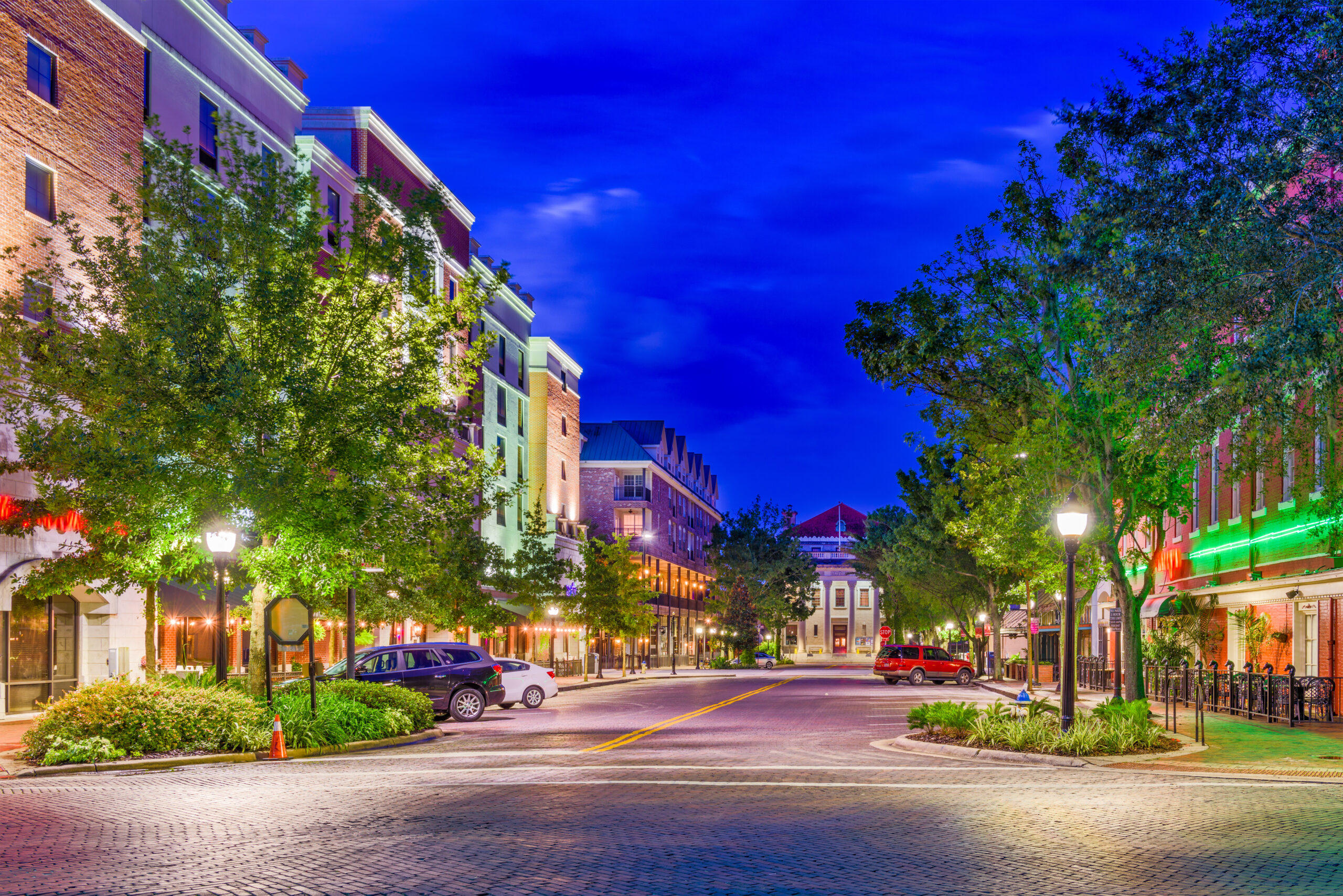
Student Organizations and Activities at University of Florida
With over 1,100 registered student organizations, the University of Florida in Gainesville cultivates a dynamic “Gator Nation” where academics, legendary traditions, and unbreakable bonds thrive across a sprawling campus in north-central Florida. From thunderous cheers during Gator Growl—the nation’s largest student-run pep rally—to spirited gatherings at the Swamp with “Orange and Blue” Fridays, student life pulses with inclusive resources like tutoring and career guidance at the Career Connections Center, timeless rituals such as Homecoming parades and the iconic chomp, and a welcoming culture championing service, innovation, intellectual discourse, and Gator pride amid Gainesville’s eco-friendly, college-town vibe.
Sports and Recreational Clubs
Athletic energy fuels Gator life through Intramural Sports at RecSports, drawing thousands into leagues each semester. Whether scrambling in flag football, spiking in indoor volleyball, or competing in ultimate frisbee showdowns, formats welcome every skill level—no experience necessary. Campus highlights include softball, co-rec indoor soccer, 3v3 basketball, dodgeball, racquetball, and sand volleyball. Teams form easily through residence halls, Greek life, friends, or as free agents, with registration via IMLeagues and free or low-cost participation for students. Leagues feature playoffs and champions, underscoring the program’s fun, competitive, and inclusive atmosphere.
For more committed play, over 40 sport clubs provide elevated competition, featuring standout options like badminton, bass fishing, cheerleading, cricket, cuong nhu martial arts, rugby, and beach volleyball. These student-led teams compete regionally and nationally, building leadership with practices, tournaments, and travel—perfect for channeling academic rigor into teamwork, friendships, and excitement at RecSports facilities or Gainesville’s outdoor spaces.
Faith and Identity Communities
Spiritual growth and cultural belonging flourish in diverse, supportive spaces reflecting a broad spectrum of beliefs and heritages. Groups like Cru at UF host large worship nights, small Bible studies, and outreach; Gators for Christ and the Christian Study Center offer fellowship, discipleship, and reflective gatherings; while the Campus Multi-Faith Cooperative connects students to resources across faiths amid UF’s energetic pace.
Expanded options include Baptist Campus Ministry for services and community events, Orthodox Christian Fellowship for liturgical worship and small groups, the Muslim Students Association for prayer and cultural programming, and UF Hillel for Jewish life with Shabbat dinners and events. Organizations such as the Christian Campus House, Reformed University Fellowship, and interfaith alliances create welcoming sanctuaries, intertwining faith exploration with social connections and Gainesville-area service initiatives.
Political and Ideological Engagement
Engaged by policy debates and civic impact? UF’s political scene spans ideologies with platforms for advocacy, discussion, and leadership. Turning Point USA at UF drives conservative perspectives through speakers, tabling, and events that often spark campus-wide conversations on free speech, liberty, and governance. Counterparts include UF College Republicans for policy work and socials, alongside UF College Democrats promoting progressive causes, voter mobilization, and community engagement.
Broader efforts foster dialogue through non-partisan groups and intellectual pursuits like debate teams, Model UN, and policy societies sharpening skills in public forum, Lincoln-Douglas, and other formats—open to all with coaching. These organizations hone critical thinking and eloquence, readying future leaders for civil exchanges in Gainesville’s vibrant, spirited environment.
From roaring at Gator Growl, serving in philanthropy efforts, or dominating an intramural flag football matchup, UF student life is forged—one chomp, one tradition, one lasting connection at a time. Discover your place via GatorConnect (orgs.studentinvolvement.ufl.edu), involvement fairs, or features in The Independent Florida Alligator. Go Gators.
Benefits of Investing in Properties Near UT Austin
Investing in real estate near UT Austin offers a compelling combination of educational savings, reliable income, long-term wealth building, and family legacy advantages. In vibrant neighborhoods like West Campus, Hyde Park, and Riverside, properties benefit from consistent demand driven by a large student population, tech growth from companies like Tesla and Oracle, and Austin’s status as a thriving capital city.
Unlocking In-State Tuition Savings
Texas residency laws allow families to qualify for dramatically lower in-state tuition rates by establishing domicile through property ownership. Out-of-state undergraduate tuition at UT Austin typically runs significantly higher than in-state rates, creating substantial annual savings. Purchase a condo or home in prime areas like West Campus or Hyde Park, have your student reside there (often with roommates), and support residency with documents like property deeds, Texas driver’s licenses, and voter registration. After 12 consecutive months, approval is straightforward, locking in reduced rates from sophomore year onward and delivering massive educational cost reductions over a degree program.
Generating Strong Rental Cash Flow
The perpetual demand from UT’s large student population ensures properties near campus rarely sit vacant. Modern condos or small homes lease quickly at competitive per-bedroom rates, with rents often covering or exceeding monthly costs. With thoughtful financing and roommate setups, gross income frequently offsets principal, interest, taxes, insurance, and HOA fees—yielding break-even or positive monthly cash flow from day one. Annual rent increases tied to market trends further enhance returns, turning the investment into a self-sustaining asset while your student enjoys on-site living.
Building Equity Through Appreciation and Paydown
Austin’s core neighborhoods around UT have historically provided steady, reliable property value growth fueled by limited supply and ongoing influx of students, professionals, and families. Combined with regular principal reduction from mortgage payments (largely covered by tenants), equity accumulates predictably over time. This dual engine of appreciation and debt paydown creates substantial net worth growth in stable, high-demand zones—offering a low-volatility path to wealth compared to more speculative markets.
Creating a Family Launchpad
Upon graduation, the matured property serves as a powerful springboard. Options include selling for potential gains to fund a down payment on a larger home in growing areas like Crestview or East Austin, or refinancing to extract tax-free equity while retaining the rental for ongoing income. This strategy equips your graduate with significant financial momentum—far beyond starting from scratch—turning college housing into a foundational step toward independent homeownership.
Imparting Lifelong Financial Lessons
Ownership involves hands-on experiences that build essential skills far beyond academics. Students learn practical aspects like roommate coordination, maintenance oversight, lease management, and basic financial concepts through real-world application. These experiences demystify investing, foster responsibility, and instill confidence in wealth-building principles that compound over a lifetime—transforming a property purchase into an invaluable education in financial independence.
In a market bolstered by Austin’s innovation hubs and structural student demand, near-campus investments stand out for their resilience and multi-layered returns. From slashing tuition burdens to forging family wealth, one strategic acquisition near the iconic UT Tower can reshape educational and financial futures.
In-State Tuition Savings Over Time
| Duration | In-State Tuition | Out-of-State Tuition | Savings |
|---|---|---|---|
| 1 Year | $6,381 | $28,659 | $22,278 |
| 2 Years | $12,762 | $57,318 | $44,556 |
| 3 Years | $19,143 | $85,977 | $66,834 |
| 4 Years | $25,524 | $114,636 | $89,112 |
Top Academic Programs
The Universtiy of Florida offers over 170 undergraduate and 200 graduate programs across 18 colleges, excelling in technology, business, and sciences. The $680 million research budget supports initiatives like the Energy Institute and Dell Medical School. Top undergraduate programs include:
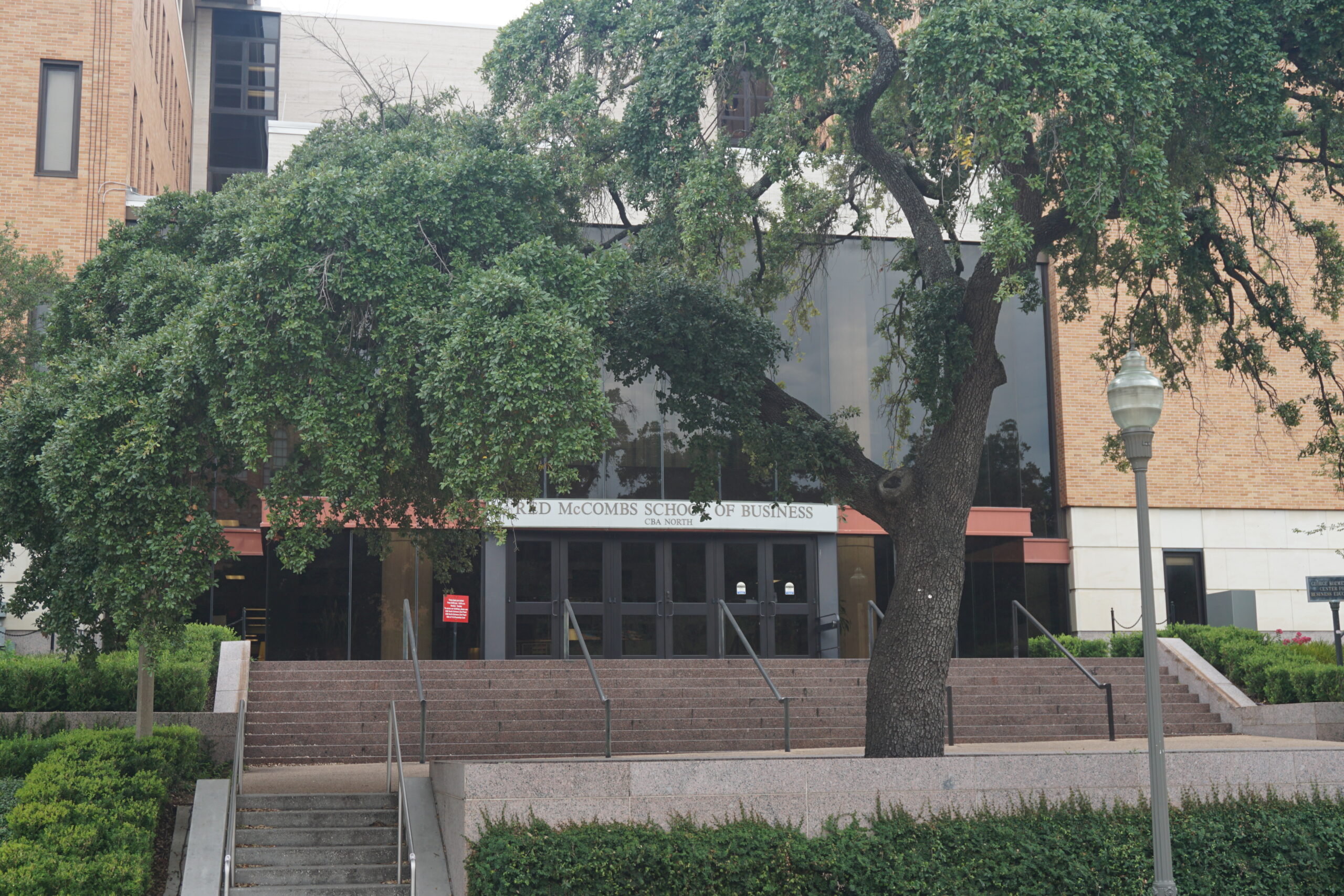
Business Administration:
The Warrington College of Business, ranked #7 nationally, excels in finance and marketing, with alumni at JPMorgan Chase and Deloitte.
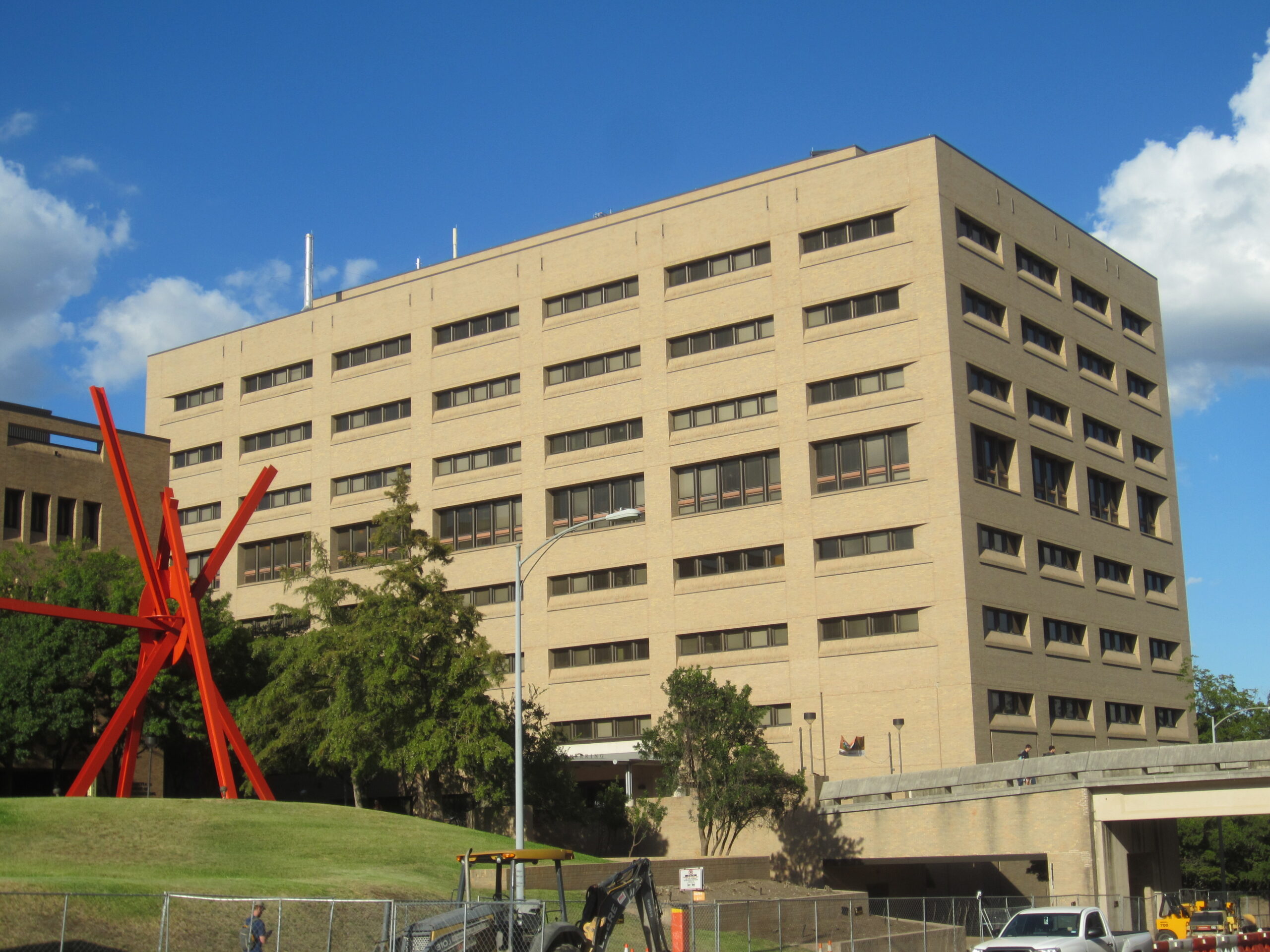
Engineering:
The Herbert Wertheim College of Engineering, ranked #12 nationally, leads in biomedical and environmental engineering, with research at the Emerging Pathogens Institute.
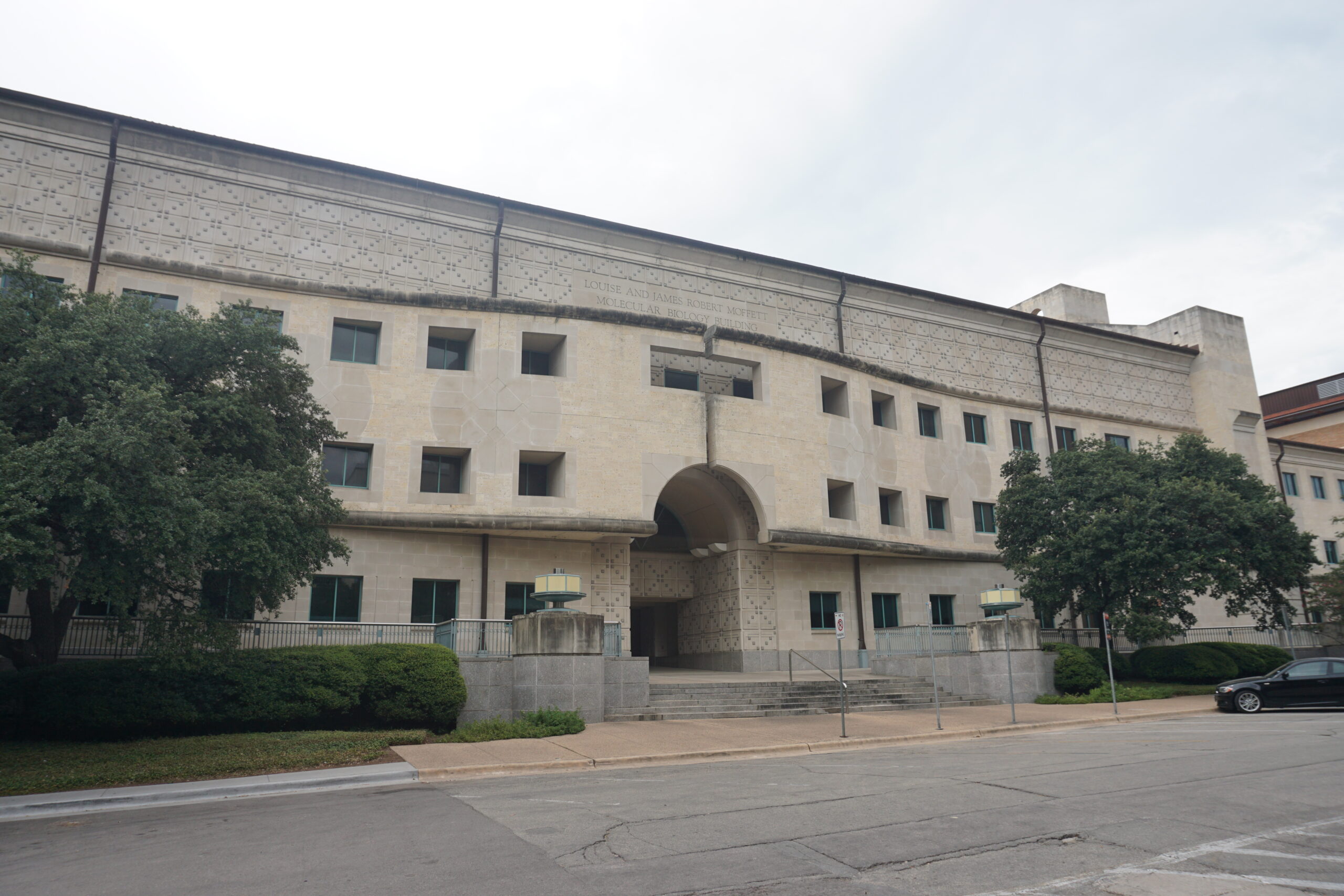
Biology:
The College of Liberal Arts and Sciences, ranked highly for biological sciences, supports pre-med and ecology, with graduates at Mayo Clinic.
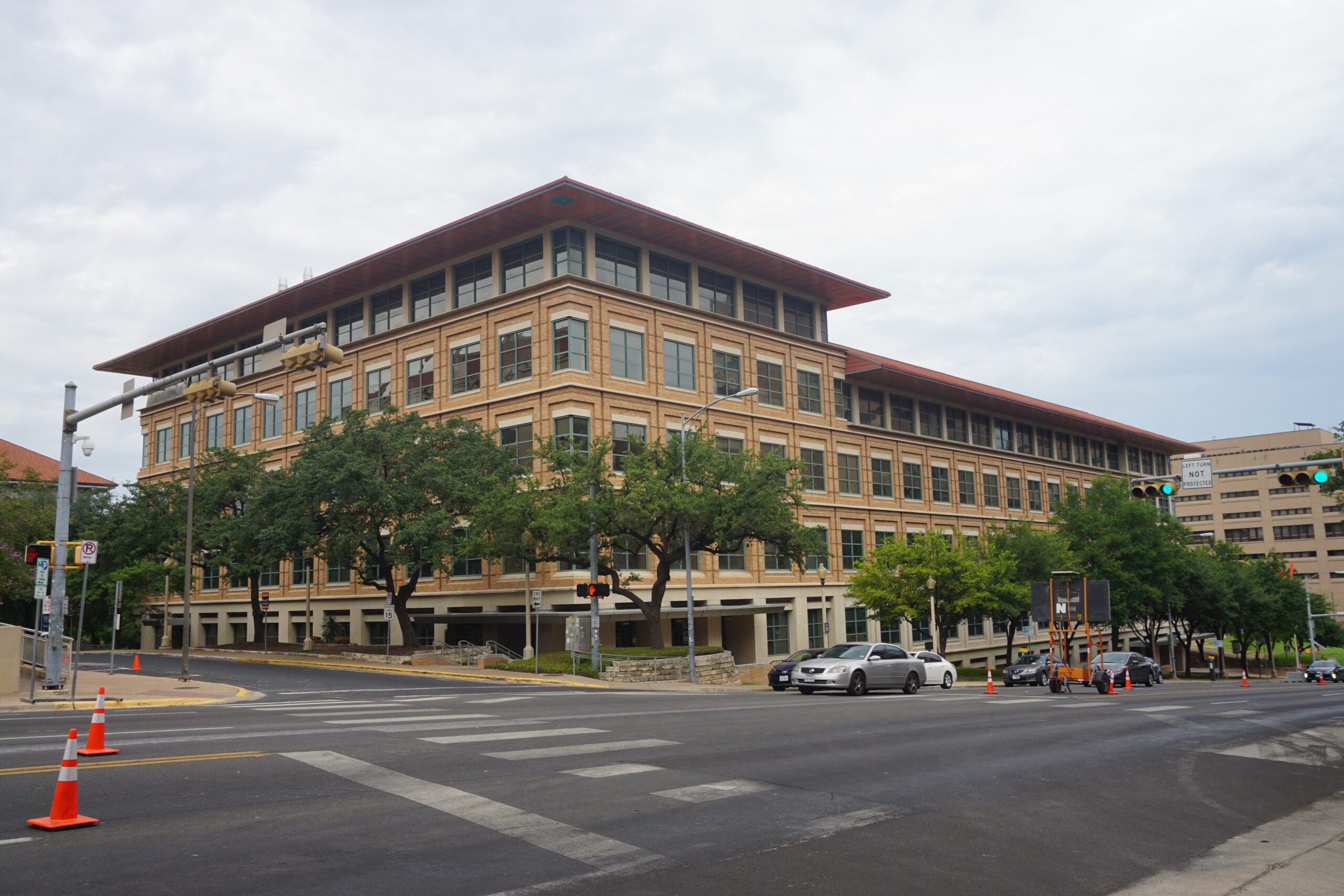
Agricultural Science:
The College of Agricultural and Life Sciences, ranked #5 globally, advances food security, with research at UF/IFAS.
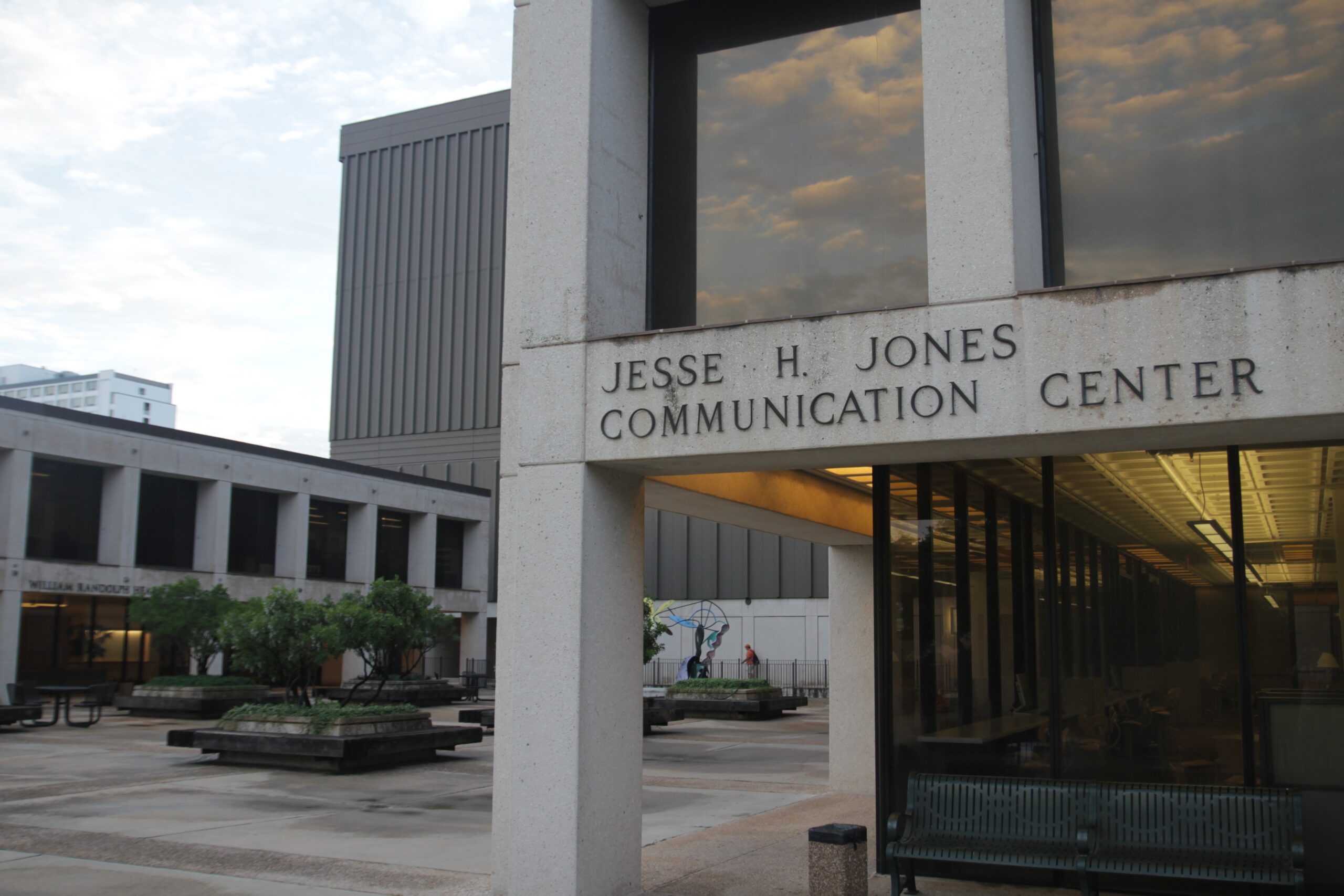
Journalism:
The College of Journalism and Communications, ranked #5 nationally, trains leaders in media, with alumni at ESPN and The Washington Post.
Notable Alumni at the University of Florida

Tim Tebow:
Tim Tebow, born in Makati, Philippines in 1987, and raised in Jacksonville, Florida, attended the University of Florida from 2006 to 2009 after a storied high school career at Nease High School, where he led his team to a state championship and committed to the Gators over other top programs. What began as a freshman backup role evolved into one of the most legendary eras in college football history: he became the first sophomore to win the Heisman Trophy in 2007 after throwing for 3,286 yards and 32 touchdowns while rushing for 895 yards and 23 more scores; led the Gators to BCS National Championships in 2006 and 2008 (as starter in ’08); set numerous SEC and NCAA records for dual-threat quarterbacks; earned first-team All-American honors multiple times; and concluded his college career with 88 touchdowns passing and 57 rushing, cementing his status as a transformative player under coach Urban Meyer.
Central to Tebow’s identity and public persona during and after his time at Florida was his outspoken Christian faith, which he openly integrated into his life and career. A devout evangelical Christian raised in a missionary family—his parents founded the Bob Tebow Evangelistic Association—he frequently referenced Bible verses (most famously John 3:16, which appeared in eye black during the 2009 SEC Championship and drew record Google searches), led team prayers, participated in mission trips (including to the Philippines during college), and used his platform to share his beliefs in God, emphasizing faith over fame. This faith-driven approach—often expressed through his “Tebowing” posture of prayer—made him a polarizing yet inspirational figure, blending athletic excellence with unapologetic spiritual conviction that influenced teammates, fans, and broader culture.
His ties to the University of Florida endure through his unparalleled legacy in Gator athletics and ongoing acts of generosity and involvement. Inducted into the College Football Hall of Fame in 2023 (honored on-campus during the 2023 Gators-FSU game), he became the sixth player enshrined in Florida’s Ben Hill Griffin Stadium Ring of Honor in 2018. Key contributions include significant personal donations—reportedly more than $5 million to Gator Athletics and related programs, including endowments supporting facilities like the Rinker Sports Complex—and his broader philanthropy via the Tim Tebow Foundation (focused on orphan care, special needs ministries, and anti-human trafficking), which has intersected with UF initiatives and events. He has returned frequently for campus events, charity appearances, and to support the program, while his story continues to inspire through books, speeches, and media. Today, these elements sustain Florida’s football prominence, promote values of leadership, resilience, and service, and reflect his deep gratitude to the Gators community that launched his path, embodying his commitment to faith, excellence, and giving back to future generations of student-athletes.
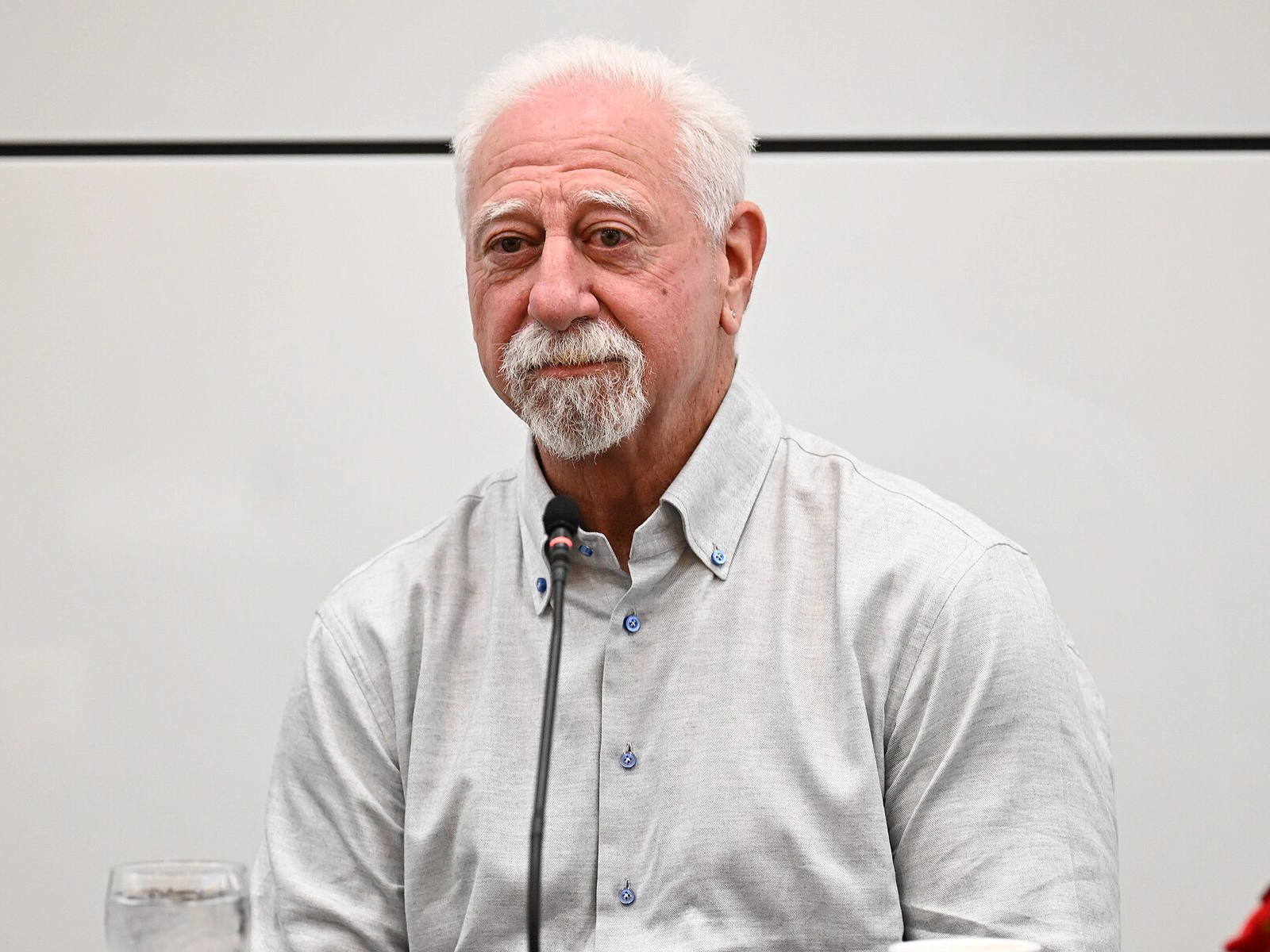
Chris MalaChowsky:
Chris Malachowsky, born in the United States, graduated from the University of Florida in 1980 with a Bachelor of Science in electrical engineering from the Herbert Wertheim College of Engineering. What began as his foundational technical education at UF—preparing him for a career in semiconductor design—evolved into a groundbreaking entrepreneurial journey. After earning a master’s degree in computer science from Santa Clara University, Malachowsky co-founded NVIDIA Corporation in 1993 with Jensen Huang and Curtis Priem, pioneering the graphics processing unit (GPU) that transformed computing, gaming, visualization, and artificial intelligence. As a key architect of NVIDIA’s core technologies, he helped propel the company from a startup to a global leader in AI, accelerated computing, and high-performance graphics, earning him induction into the Florida Inventors Hall of Fame in 2019 and numerous industry honors.
His ties to the University of Florida endure through extraordinary philanthropy and visionary leadership that have positioned UF as a powerhouse in AI and data science. Key contributions include a $25 million personal gift in 2020 (matched by $25 million in NVIDIA hardware, software, training, and services) to launch the university’s AI supercomputer initiative, HiPerGator—making it one of the most powerful AI systems in higher education and enabling groundbreaking research across disciplines. This partnership culminated in the 2023 opening of Malachowsky Hall for Data Science & Information Technology, a state-of-the-art facility named in his honor that serves as an epicenter for AI innovation, interdisciplinary collaboration, and student training. Malachowsky collaborated closely with architects on the building’s design, has returned to campus for ribbon-cuttings, events, and discussions on AI’s future, and continues to inspire through his example of innovation rooted in Gator engineering. Today, these initiatives accelerate UF’s leadership in artificial intelligence, expand access to cutting-edge tools for students and researchers, drive economic impact through talent development, and reflect his profound gratitude to his alma mater, embodying his commitment to advancing technology, education, and the next generation of Gators in the AI era.
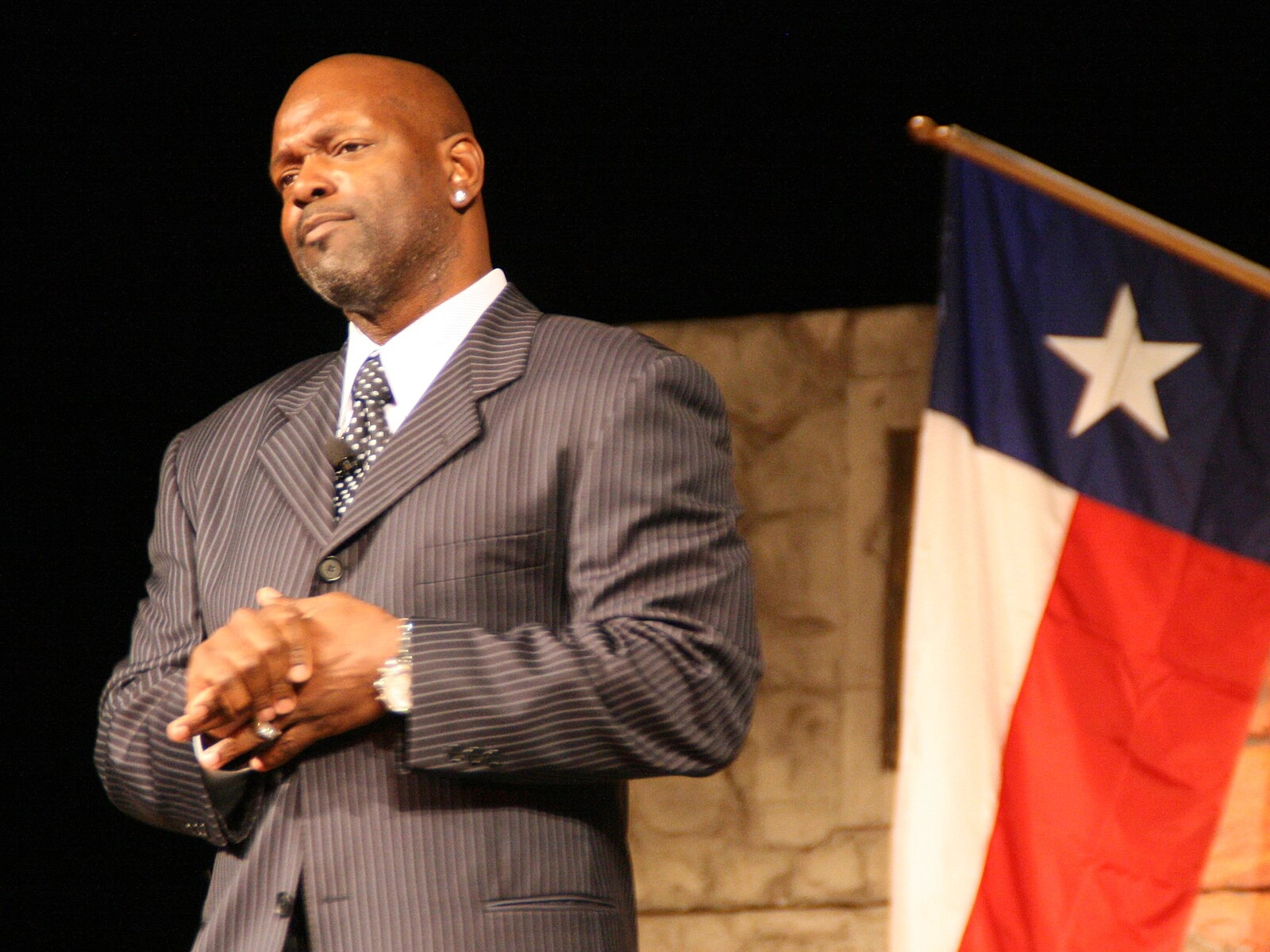
Emmitt Smith
Emmitt Smith, born in Pensacola, Florida in 1969, attended the University of Florida from 1987 to 1989 after a legendary high school career at Escambia High School, where he rushed for over 8,800 yards and 106 touchdowns, earning national high school player of the year honors. What began as an immediate impact as a freshman—setting a school single-game rushing record in his debut against Alabama and earning National Freshman of the Year accolades—evolved into one of the most dominant running back tenures in Gators history. Over three seasons, he amassed 3,928 rushing yards (the school record at the time), 36 rushing touchdowns, and 58 individual UF records; led the SEC in rushing in 1987 and 1989; earned consensus first-team All-America honors in 1989 along with SEC Player of the Year; finished seventh in Heisman voting that year; and left as the program’s all-time leading rusher before declaring for the NFL Draft, where he was selected 17th overall by the Dallas Cowboys in 1990, going on to become the NFL’s all-time leading rusher with 18,355 yards, three Super Bowl championships, the 1993 NFL MVP, and induction into the Pro Football Hall of Fame in 2010.
Despite leaving early for the pros, Smith returned to complete his bachelor’s degree in health and human performance from UF in 1996 while playing in the NFL, underscoring his commitment to education. His ties to the University of Florida endure through his unparalleled legacy in Gator athletics and ongoing support for the program. Inducted into the University of Florida Athletic Hall of Fame as a “Gator Great” in 1999, enshrined in the Gator Football Ring of Honor, and celebrated as part of UF’s Team of the Century by the Gainesville Sun, he has been honored at campus events, served as an honorary captain (including for the 2017 Advocare Classic), and inspired generations through his example of excellence and perseverance. Key contributions include establishing the Emmitt J. Smith, III Football Endowment in 2006 to provide scholarship support for Gators football student-athletes. He has returned for ceremonies, alumni spotlights, and to champion the program, while his broader philanthropy through Pat & Emmitt Smith Charities focuses on youth education and opportunities—often intersecting with Florida’s community impact. Today, these elements sustain UF’s football prominence, foster leadership and academic success among student-athletes, and reflect his deep gratitude to the Gators community that launched his record-breaking path, embodying his commitment to giving back and empowering future generations of Florida talent.
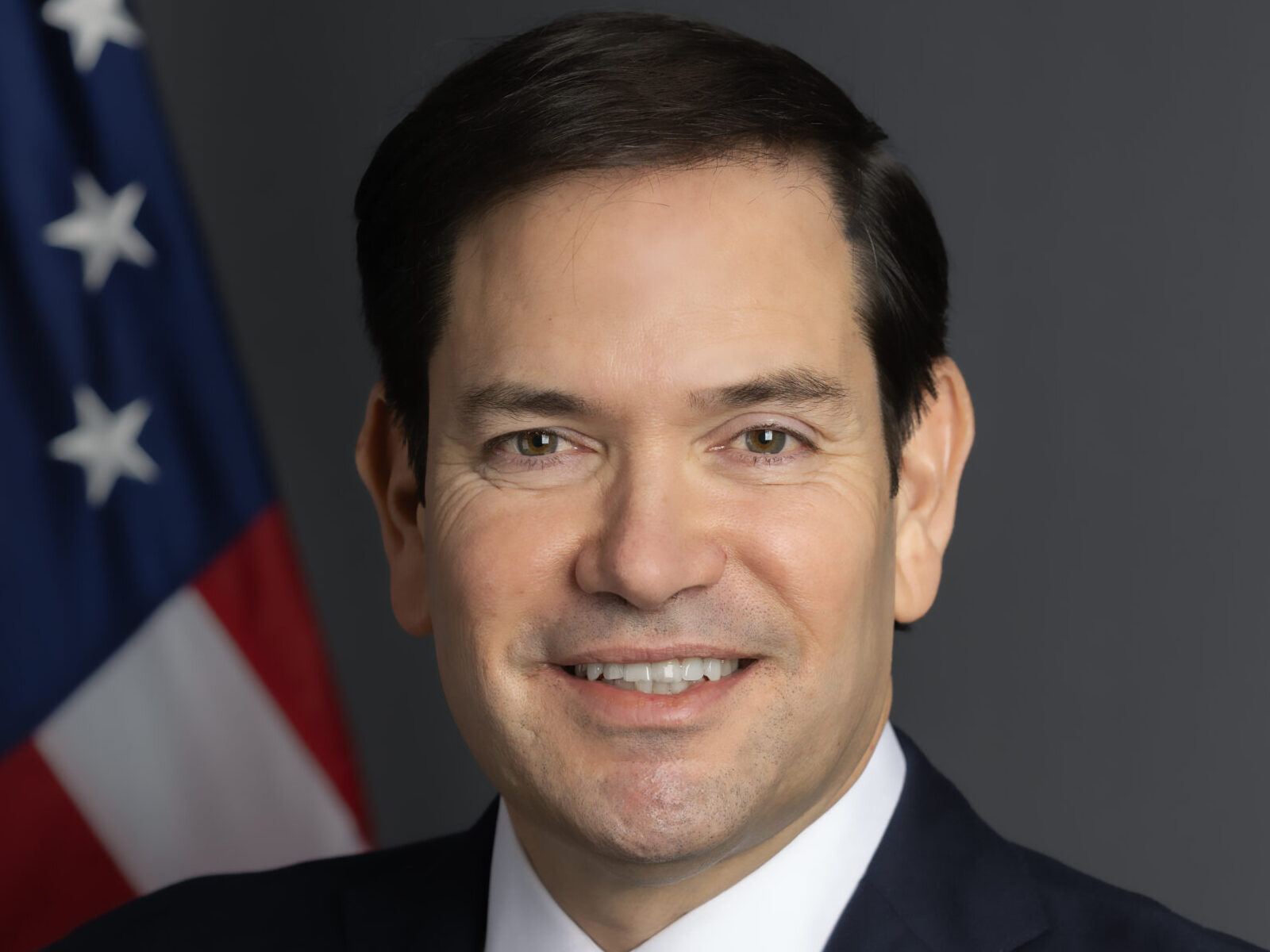
Marco Rubio:
Marco Rubio, born in Miami, Florida in 1971 to Cuban immigrant parents, transferred to the University of Florida after attending Tarkio College in Missouri on a football scholarship and Santa Fe Community College in Gainesville, earning his bachelor’s degree in political science in 1993. What began as his undergraduate foundation at UF—where he immersed himself in Florida’s political landscape and student leadership—evolved into a distinguished public service career: he earned a Juris Doctor from the University of Miami in 1996, served as a city commissioner in West Miami, became the youngest Speaker of the Florida House of Representatives (2006–2008), and ascended to the U.S. Senate in 2011, representing Florida for over a decade before being confirmed as the U.S. Secretary of State in 2025.
His ties to the University of Florida endure through his status as a proud Gator alumnus and his recognition within the university’s legacy of leadership and civic engagement. Rubio has been celebrated as a member of UF’s elite Blue Key Honor Society, an organization that has shaped generations of Florida leaders in politics, business, and law. He has returned to campus for events, discussions on education reform (including higher education flexibility and affordability), and to inspire students through his example of rising from modest beginnings to national prominence. While his most direct philanthropic impacts have focused on broader Florida initiatives and policy advocacy, his alma mater affiliation continues to highlight UF’s role in producing influential public servants. Today, his story bolsters the Gators’ reputation for fostering political acumen, service-oriented leadership, and resilience, motivating current students and alumni to pursue public impact while reflecting his enduring gratitude to the University of Florida community that helped launch his path to shaping American foreign policy and domestic priorities.

Faye Dunaway:
Faye Dunaway, born in Bascom, Florida in 1941, attended the University of Florida in Gainesville during the late 1950s and early 1960s after graduating from Leon High School in Tallahassee and briefly studying at Florida State University. Initially pursuing a career in education on a teaching scholarship, she studied at UF before transferring to Boston University’s School of Fine and Applied Arts, where she earned her Bachelor of Fine Arts degree in theater in 1962. What began as her early collegiate exploration of teaching evolved into a profound pivot toward acting, launching an iconic Hollywood career that spanned over five decades, including Academy Award-winning performances as Bonnie Parker in Bonnie and Clyde (1967) and Joan Crawford in Mommie Dearest (1981), along with Oscar-nominated roles in Chinatown (1974) and Network (1976), and acclaimed work on Broadway and in television.
Her ties to the University of Florida endure through her recognition as a distinguished Gator alumna and the university’s pride in her as one of its most celebrated Hollywood legends. The UF Alumni Association highlights her as a “Successful Gator,” noting her brief but formative time on campus before her transfer. She has been featured in lists of notable UF alumni for her global impact in film and the arts. While her most direct academic completion was at Boston University, UF celebrates her Florida roots and early education there as part of the pathway that shaped her trajectory. Today, her legacy inspires aspiring performers and creatives in the Gators community, bolsters UF’s reputation for nurturing world-class talent in the arts and beyond, and reflects her enduring connection to her home state and the educational foundations that helped launch one of cinema’s most powerful and versatile actresses.
Why the University of Florida Is a Great Choice for Investing In College Properties
Gainesville’s academic vibrancy, natural beauty, and affordable lifestyle, with 141,000 city residents and 344,000 in the metro area, make it an ideal place to live and study. Establishing Florida residency, achievable after 12 months, offers significant benefits for UF students. In-state tuition for 2024-2025 is $6,381, compared to $28,659 for out-of-state students, saving over $22,278 annually. Gainesville’s real estate market, with high demand in UF-adjacent areas like Midtown and Butler Plaza, supports rental income and appreciation, driven by the city’s growth and UF’s expansion. Owning property near campus aligns with lifestyle and financial goals, making Gainesville a smart investment.