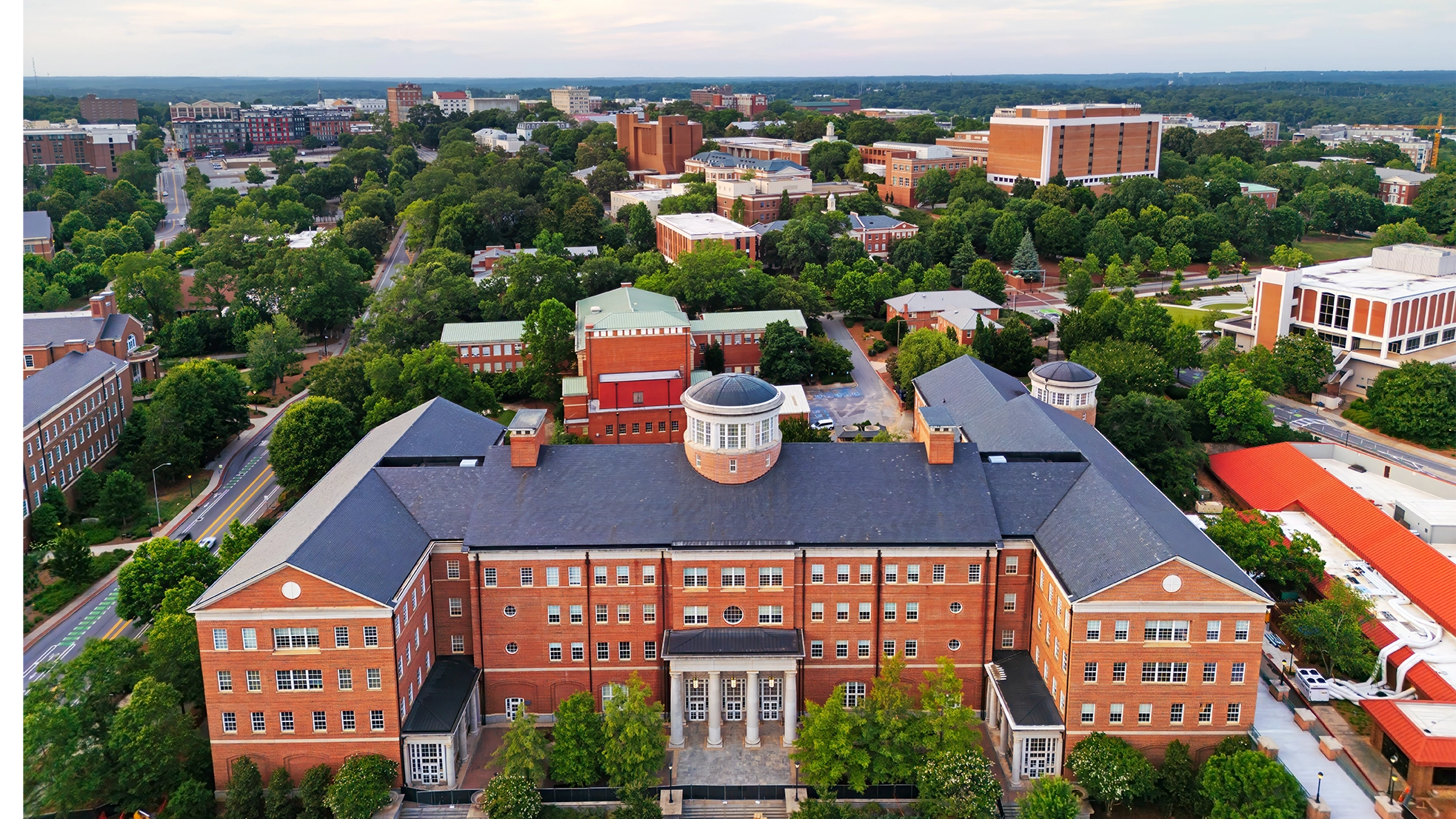
University of Georgia in Athens
Study, Work, Live & Play in Athens, GA
Nestled in the rolling hills of northeast Georgia, the University of Georgia blends flagship public research academics with the creative pulse of a renowned music city, enduring Bulldog loyalty, and a rich blend of historic charm and modern vibrancy. Athens cultivates an inspiring environment where scholarly ambition intersects with artistic expression, outdoor pursuits, and tight-knit Southern community, attracting students, professionals, and families who cherish tradition, innovation, and a lively cultural scene. From iconic campus gateways and world-class collections to river greenways and legendary festivals, Athens fosters experiences that spark creativity, build bonds, and celebrate achievement.
Study in Athens, GA
The University of Georgia stands as the state’s historic flagship, drawing dedicated students from across the country and beyond with its demanding programs, research engagement, and profound sense of legacy. In U.S. News & World Report’s 2026 rankings, UGA secures No. 46 among National Universities and No. 19 among Top Public Schools, with exceptional strengths in areas like business, insurance (No. 1 nationally), and undergraduate programs. Niche and other sources commend its dynamic campus atmosphere, strong community ties, and high levels of student involvement and satisfaction.
Encompassing a 767-acre campus anchored by the iconic Arch—its three pillars symbolizing wisdom, justice, and moderation, with the longstanding tradition that undergraduates avoid passing beneath it until graduation—students pursue hands-on discovery through the Center for Undergraduate Research Opportunities (CURO), which offers mentorship, fellowships, and faculty-guided projects open to all regardless of major or GPA. Notable features include the Georgia Museum of Art, one of the Southeast’s premier collections with American, European, and decorative works, alongside traditions like calling the Dawgs, the Dawg Walk into Sanford Stadium, ringing the Chapel Bell after victories, and the Chapel Bell’s post-game peals. With R1 research classification and a fervent Bulldog Nation, UGA provides a robust setting for scholars seeking intellectual rigor, personal growth, and lasting impact.
Work in Athens, GA
Athens’ job market draws strength from university leadership, healthcare stability, and a thriving creative sector, amplified by UGA’s $8.4 billion statewide economic impact in recent years through education, research, and community contributions. The institution supports thousands of direct and indirect roles while fueling innovation, workforce development, and regional vitality.
Key anchors encompass Piedmont Athens Regional Medical Center in healthcare, alongside growing opportunities in arts, music, brewing (like Creature Comforts), and education-related fields. Steady expansions and low unemployment create diverse pathways in professional, service, and creative industries. This supportive framework in a culturally rich college town enables career progression alongside access to collaboration, events, and a balanced way of life.
Live in Athens, GA
Athens delivers an engaging, arts-infused lifestyle that has landed it on Livability.com’s Top 100 Best Places to Live in the US for 2025, lauded for its affordability, outdoor options, cultural depth, and welcoming residents. The dining landscape spans Southern comfort to inventive fare, from upscale Southern at The National and James Beard-recognized Five & Ten to casual favorites like Your Pie and food trucks, reflecting local creativity and global influences.
With generous sunny days, residents explore over 50 parks including Sandy Creek Park for trails and water activities, the North Oconee River Greenway for biking and walking, Dudley Park’s green spaces, and Lake Chapman for relaxation. Neighborhoods mix historic appeal with college energy, promoting friendly connections and a sense of belonging. Athens’ fusion of intellectual buzz, artistic heritage, and natural surroundings forms an appealing, rooted place to settle.
Play in Athens, GA
Athens thrives on Bulldog fervor and artistic celebrations, highlighted by cornerstone events that rally the community: AthFest Music and Arts Festival (June 26-28, 2026) showcasing local and emerging bands, street performances, and youth programs downtown; the Twilight Criterium bike race with high-speed excitement; and intense game days at Sanford Stadium featuring the Dawg Walk, between-the-hedges atmosphere, and traditions like the Chapel Bell ringing after wins. Outdoor options abound with North Oconee River kayaking, greenway paths, and nearby preserves for hiking and nature.
Adventures extend to exhibits at the Georgia Museum of Art, live shows at venues tied to the city’s music legacy, or seasonal gatherings like Classic City Brew Fest and the Athens Farmers Market. Whether joining massive tailgates, exploring cultural sites, or participating in music and arts happenings, Athens supplies a vibrant lineup of recreation steeped in Georgia pride, creative spirit, and authentic Southern energy.
Learn Your History & Stats
College History
Chartered in 1785 as the nation’s first state-chartered public university, the University of Georgia has pioneered higher education in America—opening in 1786 on land donated for public good, rebuilding after setbacks, advancing coeducation and integration, and rising as a Public Ivy with R1 status for very high research activity. Signature chapters include the establishment of landmark programs in agriculture and journalism, plus timeless Bulldog traditions that rally the community. UGA has produced remarkable alumni such as Samuel L. Jackson (Academy Award-nominated actor), Ryan Seacrest (media personality and producer), Herschel Walker (Heisman Trophy winner and NFL star), Kyle Chandler (Emmy-winning actor), and influential leaders in politics, business, science, and entertainment. The Terry College of Business advances with undergraduate programs ranked in the top 10 among publics (U.S. News & World Report 2026) and overall top 20 nationally for the first time, supported by strengths in supply chain, analytics, entrepreneurship, and experiential opportunities tied to Georgia’s economic growth for enhanced innovation and career trajectories. The School of Law ranks No. 22 nationally (U.S. News & World Report 2025), a top public value with elite bar passage, job placement, and programs in trial advocacy, environmental law, and more, delivering outstanding ROI and regional/national success. The University of Georgia excels in leading academic rankings, claiming No. 19 among public universities and No. 46 nationally (U.S. News & World Report 2026), with strong global placements (QS World University Rankings 2026 in the 500-600 range) and recognition in Times Higher Education, reflecting its R1 research surge to a record $654 million in expenditures for FY2025, excellence in agriculture, public health, data science, and sustainability, and the fervent Bulldog pride alive in traditions like the Dawg Walk and Sanford Stadium chants.
Student Population and Housing Market Insights
Reaching a record 43,888 students in fall 2025 (approximately 33,000-34,000 undergraduates and 10,000 graduates with steady increases), the University of Georgia attracts a vibrant community, with Georgia residents forming the vast majority (around 88-89% in recent classes, including record in-state numbers), out-of-state students adding diversity from across the U.S., and international students enriching perspectives from numerous countries. On-campus housing accommodates about 66% of undergraduates (with high freshman participation and thousands in residence halls or Greek facilities), while the remaining share—around 34% overall, plus most graduates—live off-campus in apartments, houses, or private rentals around Athens. This balanced yet significant off-campus demand supports a strong rental market in key areas like ZIP 30601 (central campus and downtown vicinity) and nearby ZIP 30602, 30605, and 30606. Over the past 15 years, home values in these ZIP codes have appreciated substantially, driven by UGA’s enrollment growth, research momentum, and Athens’ lively college-town environment, generating excellent long-term returns for property owners according to Zillow and CoreLogic trends (with Athens medians around $300,000-$310,000 and consistent positive gains). Many investors using platforms like collegehomes.com find multiple avenues for creating investment opportunities due to the large amount of renters within the University of Georgia markets, benefiting from reliable student-driven demand. Additionally, Georgia residents enjoy significant in-state tuition advantages, often saving well over $100,000 across four years compared to out-of-state rates (around $11,492 in-state vs. $32,336 out-of-state annually), making UGA an outstanding, affordable flagship for families establishing roots in the state.
Off-Campus Living and Nightlife in Athens
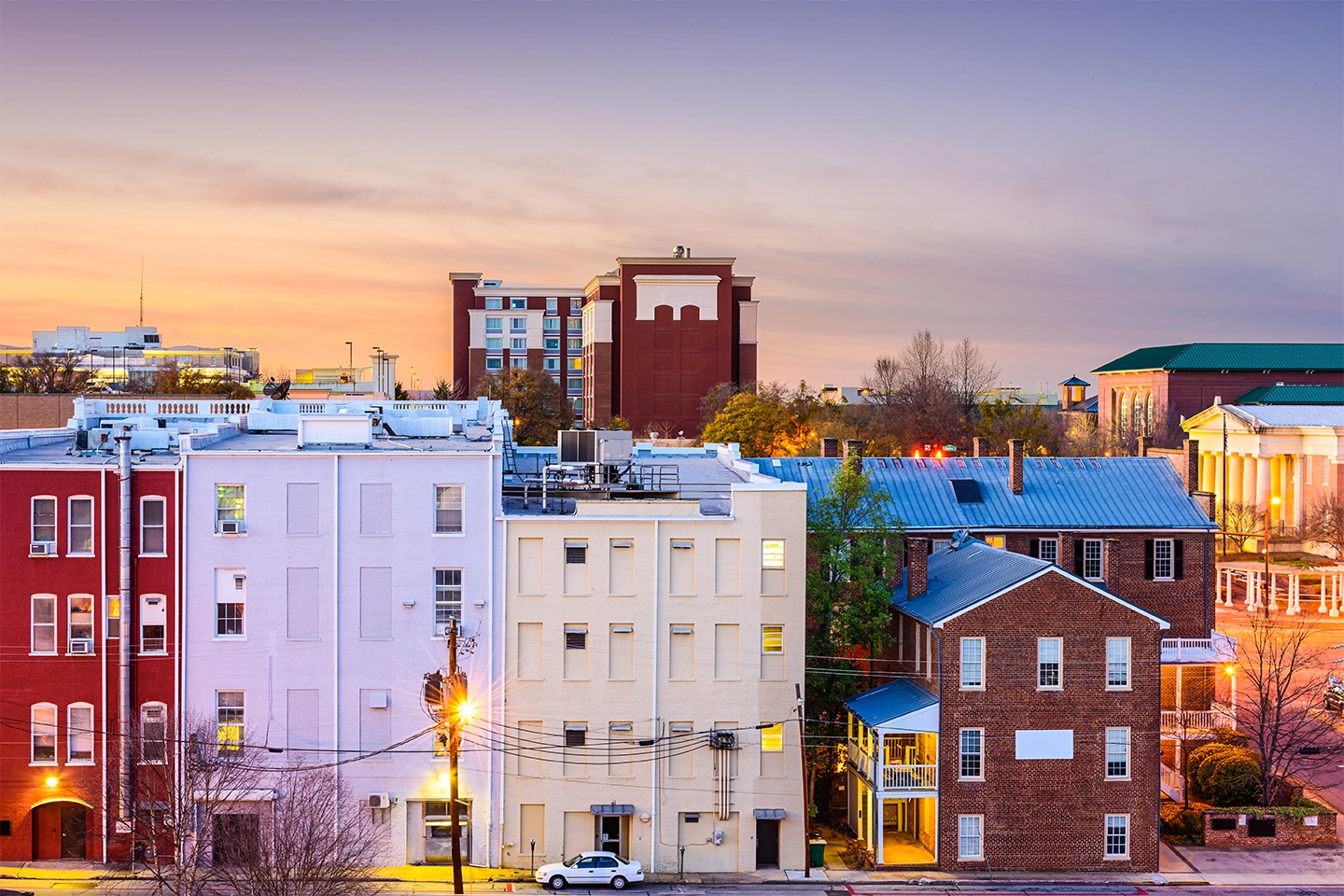
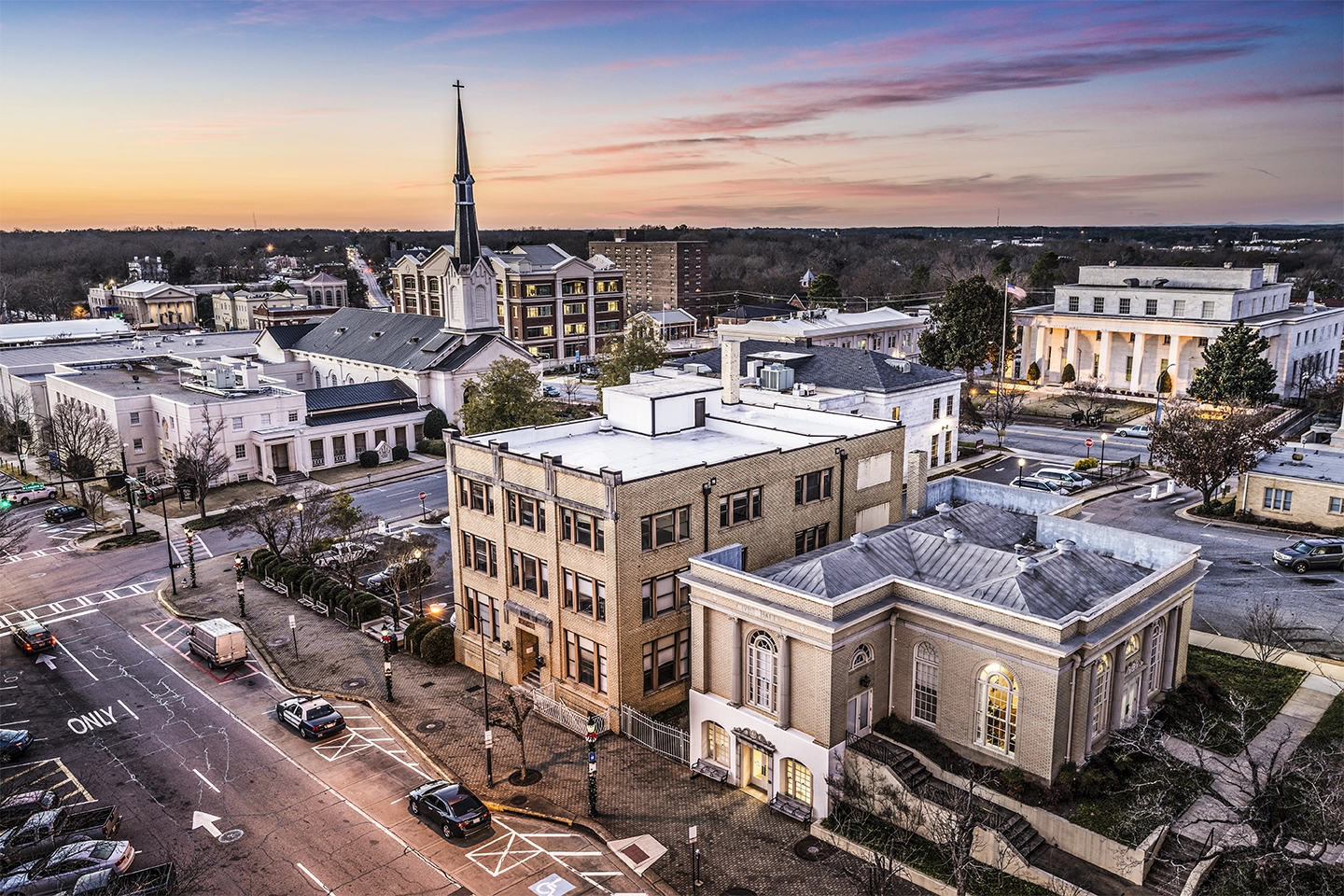
Students at the University of Georgia flock to vibrant off-campus neighborhoods like Downtown Athens (ZIP 30601), Five Points, Normaltown, and areas near campus, all within a quick 1- to 2-mile walk, bike ride, or shuttle from campus. These areas blend historic charm, modern amenities, and eclectic community energy, attracting undergrads, grads, and young professionals alike. Downtown Athens pulses as the epicenter for student living, featuring converted historic homes and sleek apartments with amenities like rooftop decks, fitness centers, and study lounges—perfect for juggling rigorous academics and social scenes while supporting strong rental demand. Popular complexes include The Mark Athens, known for luxury finishes, resort-style pools, and prime proximity to downtown; Georgia Heights, offering modern designs, gated access, and easy walks to venues; Accolade Athens, with elevated units, clubhouses, and views; and Uncommon Athens, boasting spacious layouts, game rooms, and unbeatable location near the action.
Five Points enchants with its historic charm—tree-lined streets, restored bungalows, and a quieter, walkable atmosphere filled with parks and local shops, ideal for those craving a cozy residential feel just south of campus. Normaltown draws the creative crowd with eclectic bungalows, green spaces, and an artsy energy, only a short drive or bus ride away. These neighborhoods not only connect via UGA shuttles and campus proximity but also foster independence with nearby groceries, cafes, and trails, making off-campus life a seamless extension of the Bulldog experience.
Athens Rental Market
The rental market within 1.5 miles of the University of Georgia, particularly in ZIP codes 30601 (Downtown) and nearby areas, caters heavily to the university’s 43,000+ students. Modern apartments and shared houses dominate Downtown and surrounding zones due to high demand. As of early 2026, average rents in these areas range approximately $1,200–$1,800/month, above the citywide average of around $1,100–$1,400. Below are rental stats for student-centric properties:
- Average Rent per Bedroom: $700–$1,100, with premium Downtown units often exceeding $1,300 for luxury apartments near campus.
- Studio Apartments: $1,000–$1,500/month, with budget options in outer areas (~$900) and upscale spots Downtown (~$1,600).
- 1-Bedroom Apartments: $1,200–$1,700/month, averaging $1,400 in 30601. Affordable choices nearby start at $1,000.
- 2-Bedroom Apartments: $1,500–$2,100/month, with Downtown averages at $1,800. Shared rentals reduce costs (e.g., $900/person).
- 3-Bedroom Apartments/Houses: $2,000–$3,000/month, ideal for student groups. Five Points options around $2,200.
Smart housing options, like roommate shares or pre-leased units via apartment locators, help students manage costs. High demand during fall semesters drives early leasing Downtown, while short-term rentals thrive during football games and events like AthFest. Data sources: Zillow, RentCafe, Apartments.com, UGA off-campus resources.
Nightlife in Athens
Athens’ nightlife throbs with Bulldog spirit, renowned as one of the best college music towns for its legendary live music, dive bars, and game-day energy. Downtown districts deliver walkable excitement from campus—especially during massive events like football Saturdays in Sanford Stadium in fall and festivals like AthFest, when short-term rentals surge with crowds.
Downtown Athens (30601) remains legendary for its music heritage, featuring iconic spots like Georgia Theatre’s rooftop stages and 40 Watt Club’s intimate rooms spilling indie rock, alt, and classics onto the streets. The area’s lively dives create a rowdy, party vibe with craft beers and games, while nearby lounges add eclectic flair for varied nights out.
Newer Twists on Athens’ Nightlife Scene
Athens’ nightlife continues to evolve with bold live music venues, craft breweries, and hybrid spaces, rooted in its indie legacy but embracing modern entertainment for diverse crowds—from energetic undergrad scenes to sophisticated gatherings.
Georgia Theatre: This Downtown cornerstone hosts national acts, rooftop parties, and packed shows—elevating the scene as a music hub with post-concert energy.
40 Watt Club: The historic core thrives on intimate gigs, legendary indie heritage, and spots for unfiltered fun—enhanced vibes make it a staple, especially during big weekends.
Allgood Lounge: This polished favorite draws a 21+ crowd with craft cocktails, DJ nights, and themed events—merging Athens’ creative spirit with upscale flair for extended nights.
Old Favorites Holding Strong: The World Famous for cozy hangs and cheap drinks; Creature Comforts Brewing for craft taps and live sets; Last Resort Grill for intimate vibes and hearty eats in its welcoming charm.
Downtown Gem: Bourbon Street: This spot offers a relaxed escape with cocktails, patios, and occasional live music—serving bold drinks alongside a chill atmosphere near venues.
Downtown’s “Dawg haven” rise with artsy dives and craft spots attracts nightlife seekers from quieter areas, showcasing Athens’ resilient, music-driven vibrancy.
Fueling Up: Great Eateries, Coffee Houses, and Breakfast Spots
Athens’ food scene excels near UGA, with late-night bites, study-friendly coffee, and hearty brunches—many spots doubling as hangouts with generous portions and student-friendly prices.
Eateries for Late-Night or Anytime Cravings:
- The Grill (Downtown): Iconic for burgers, late-night eats, and game-day specials—perfect fuel.
- Clocked (near campus): Creative burgers and tots for quick, satisfying bites.
- TED’s Most Best (Downtown): Tacos, burritos, and extended hours for anytime cravings.
Coffee Houses for Study Sessions or Buzz:
- Jittery Joe’s (multiple, including near campus): Bold roasts, seasonal drinks, and cozy spaces—ideal for all-nighters.
- Hendershot’s Coffee (Downtown): Expert lattes, pastries, and live music vibes for focused work.
- Iron Works (nearby): House blends with hearty food and chill atmosphere.
- Daily Grind Cafe (Downtown): Patio-friendly mochas and artsy energy near nightlife.
Breakfast Spots to Start (or Recover) the Day:
- Mayflower (near campus): Classic diner with UGA-themed biscuits and gravy—worth the lines.
- Big City Bread Cafe (Downtown): Farm-fresh brunch like pancakes and omelets.
- South Kitchen + Bar (Downtown): Southern classics with creative twists and bottomless options.
- The National (nearby): Elevated dishes with ricotta pancakes and strong coffee.
- ADD Drug Lunch Counter (Downtown): All-day breakfast, burgers, and milkshakes in a retro setting.
From Downtown apartment hunts to venue crawls, Athens’ off-campus world keeps the energy alive—music nights flowing into strong coffee mornings. Embrace the “Go Dawgs” spirit; the adventures (and flavors) are part of the fun.

Student Organizations and Activities at University of Georgia
With over 800 registered student organizations, the University of Georgia in Athens cultivates a spirited “Bulldog Nation” where academics, storied traditions, and unbreakable bonds converge on a historic campus nestled in the rolling hills of north Georgia. From thunderous Dawg Walks into Sanford Stadium to iconic cheers of “Go Dawgs, Sic ‘Em, Woof Woof Woof,” student life thrives with accessible resources like tutoring and career services at the Career Center, timeless rituals such as ringing the Chapel Bell after graduation and lighting up Sanford Stadium, and a welcoming culture embracing service, leadership, intellectual pursuit, and Southern hospitality in the heart of the Classic City.
Sports and Recreational Clubs
Athletic participation powers Bulldog life through Intramural Sports at Recreational Sports, engaging thousands in leagues each semester. Whether launching in flag football, diving in volleyball action, or clashing in dodgeball tournaments, options welcome all abilities—no prior experience required. Popular selections include basketball, soccer, softball, ultimate frisbee, racquetball, and cornhole. Teams form through residence halls, Greek chapters, friends, or as free agents, with sign-ups on IMLeagues and free or low-cost entry for students. Playoffs and awards highlight the program’s energetic rivalries and inclusive fun.
For intensified competition, more than 40 club sports offer structured challenges, spotlighting unique pursuits like rugby, fencing, crew, boxing, cycling, and bass fishing. These student-led teams compete regionally and nationally, developing leadership through dedicated practices, travel, and adventures—ideal for balancing rigorous studies with camaraderie, skill-building, and thrills at Rec Sports facilities or Athens’ scenic outdoor venues.
Faith and Identity Communities
Spiritual exploration and cultural belonging prosper in vibrant, inclusive spaces honoring diverse faiths and backgrounds. The Wesley Foundation at UGA provides worship, small groups, and discipleship; Cru at UGA hosts large events, Bible studies, and outreach; while the Baptist Collegiate Ministry (BCM) connects students through community, church ties, and calling-focused gatherings amid campus energy.
Additional networks broaden opportunities: Christian Campus Fellowship, Reformed University Fellowship (RUF), and Christian Students at UGA offer Bible studies and fellowship; Chabad at UGA supports Jewish life with cultural programming; and groups like the Muslim Students Association, Orthodox Christian Fellowship, and interfaith coalitions create supportive environments. These organizations blend faith growth with social connections and Athens-area service, fostering reflective communities for personal and communal development.
Political and Ideological Engagement
Passionate about policy and civic action? UGA’s political landscape spans the spectrum with platforms for debate, advocacy, and leadership. Turning Point USA promotes conservative values through speakers, tabling, and events that spark campus-wide discussions on freedom, free markets, and limited government. The College Republicans at UGA—the nation’s largest chapter—hosts high-profile guests, community service, and campaign involvement to advance Republican principles and connect students to political opportunities.
Counterparts include progressive groups for voter drives and advocacy, alongside non-partisan initiatives fostering dialogue. Intellectual sharpening comes from debate teams, Model UN, and policy societies honing skills in various formats—open to all. These organizations refine critical thinking and public engagement, preparing future leaders for respectful discourse in Athens’ lively, culturally rich setting.
From calling the Dawgs on game day, serving in community projects, or excelling in an intramural soccer matchup, UGA student life is shaped—one tradition, one cheer, one genuine friendship at a time. Discover your place via UGA Involvement Network (uga.campuslabs.com/engage), organization fairs, or features in The Red & Black. Go Dawgs.

Benefits of Investing in Properties Near the University of Georgia
Investing in real estate near the University of Georgia provides a strong combination of tuition affordability, dependable rental income, sustained equity growth, and lasting family advantages. In high-demand neighborhoods like Five Points, Downtown Athens, Normaltown, and areas near Milledge Avenue or Baxter Street, properties enjoy consistent demand driven by a large student population, bolstered by Athens’ vibrant economy in education, healthcare, creative industries, manufacturing, and emerging sectors, establishing the area as a dynamic hub in Northeast Georgia for growth and opportunity.
Unlocking In-State Tuition Savings
Georgia residency regulations enable families to qualify for significantly lower in-state tuition by establishing domicile, frequently through property ownership and associated documentation. Out-of-state undergraduate tuition at the University of Georgia substantially exceeds in-state rates, generating considerable annual savings—for instance, recent figures indicate in-state tuition and fees around $12,752 compared to approximately $33,490 for non-residents. Purchase a condo or home in prime locations like those in Five Points or near Downtown Athens, have your student reside there (often with roommates), and support residency with proofs such as the property deed, Georgia driver’s license, voter registration, and other indicators of intent to remain. After 12 consecutive months of maintaining Georgia domicile, reclassification is typically routine, securing reduced rates from the sophomore year onward and yielding substantial cost reductions over the full degree program.
Generating Strong Rental Cash Flow
The University of Georgia’s persistently high enrollment creates ongoing demand, ensuring well-positioned properties near campus rarely experience vacancy. Updated condos or single-family homes in key zones lease quickly at attractive per-bedroom rates, frequently generating income that covers or surpasses monthly costs. Thoughtful financing paired with multi-tenant setups often allows rental proceeds to handle mortgage principal and interest, property taxes, insurance, and HOA fees—delivering neutral or positive cash flow right from the start. Market-driven annual rent escalations continue to boost returns, turning the investment into a self-sustaining asset while your student benefits from convenient, on-site living.
Building Equity Through Appreciation and Paydown
Athens’ central neighborhoods surrounding the University of Georgia have historically shown reliable, steady property value growth fueled by limited supply and the continuous influx of students, professionals, and families drawn to the region’s economic vitality and quality of life. Combined with regular principal reduction from mortgage payments largely covered by tenants, equity accumulates predictably over time. This dual engine of appreciation and debt paydown creates meaningful net worth growth in a stable, high-demand environment—offering a lower-risk path to wealth compared to more volatile markets.
Creating a Family Launchpad
Upon graduation, the matured property serves as an exceptional springboard for the future. Options include selling for potential gains to fund a down payment on a larger home in expanding areas around Athens or nearby communities, or refinancing to extract tax-free equity while retaining the rental for ongoing income. This strategy equips your graduate with significant financial momentum—far beyond starting from scratch—transforming college housing into a foundational step toward independent homeownership.
Imparting Lifelong Financial Lessons
Ownership involves hands-on experiences that build essential skills far beyond academics. Students learn practical aspects like roommate coordination, maintenance oversight, lease management, and basic financial concepts through real-world application. These experiences demystify investing, foster responsibility, and instill confidence in wealth-building principles that compound over a lifetime—transforming a property purchase into an invaluable education in financial independence.
In a market supported by Athens’ thriving education and healthcare sectors, creative energy, and structural student demand, near-campus investments stand out for their resilience and multi-layered returns. From slashing tuition burdens to forging family wealth, one strategic acquisition near the iconic Sanford Stadium can reshape educational and financial futures.
In-State Tuition Savings Over Time
| Duration | In-State Tuition | Out-of-State Tuition | Savings |
|---|---|---|---|
| 1 Year | $11,450 | $31,688 | $20,238 |
| 2 Years | $22,900 | $63,376 | $40,476 |
| 3 Years | $34,350 | $95,064 | $60,714 |
| 4 Years | $45,800 | $126,752 | $80,952 |
Top Academic Programs
UGA offers over 140 undergraduate degrees and 200 graduate programs across 17 colleges, with research strengths in agriculture, business, and public health. Its $545 million in research supports initiatives like the Center for Tropical and Emerging Global Diseases and the Complex Carbohydrate Research Center. The top five undergraduate programs include:
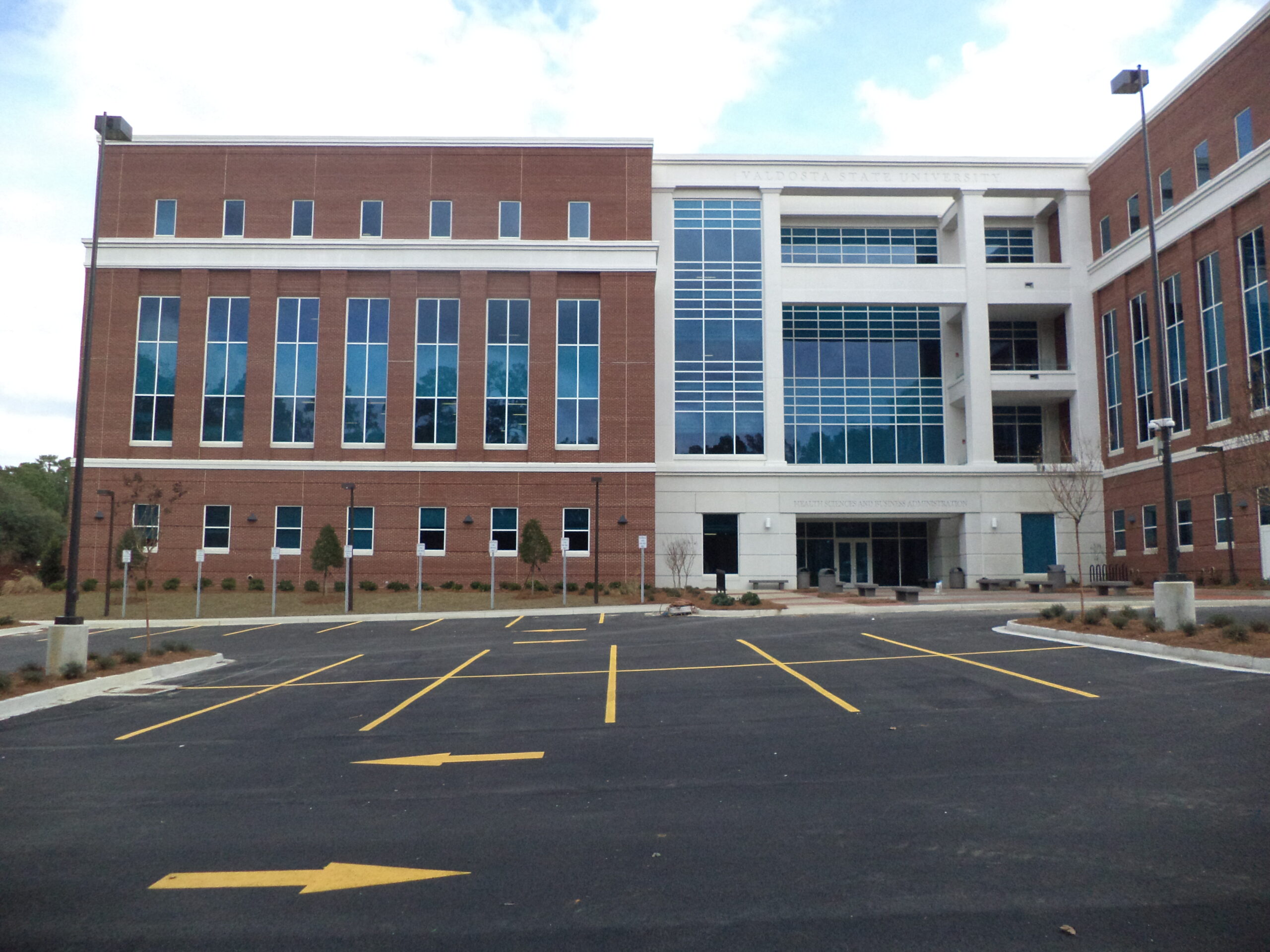
Business Administration:
The Terry College of Business, ranked #8 nationally, excels in risk management and real estate, with alumni at Deloitte and Coca-Cola.

Agricultural Sciences:
The College of Agricultural and Environmental Sciences, ranked #3 globally, leads in poultry science and horticulture, with research at UGA/CAES.
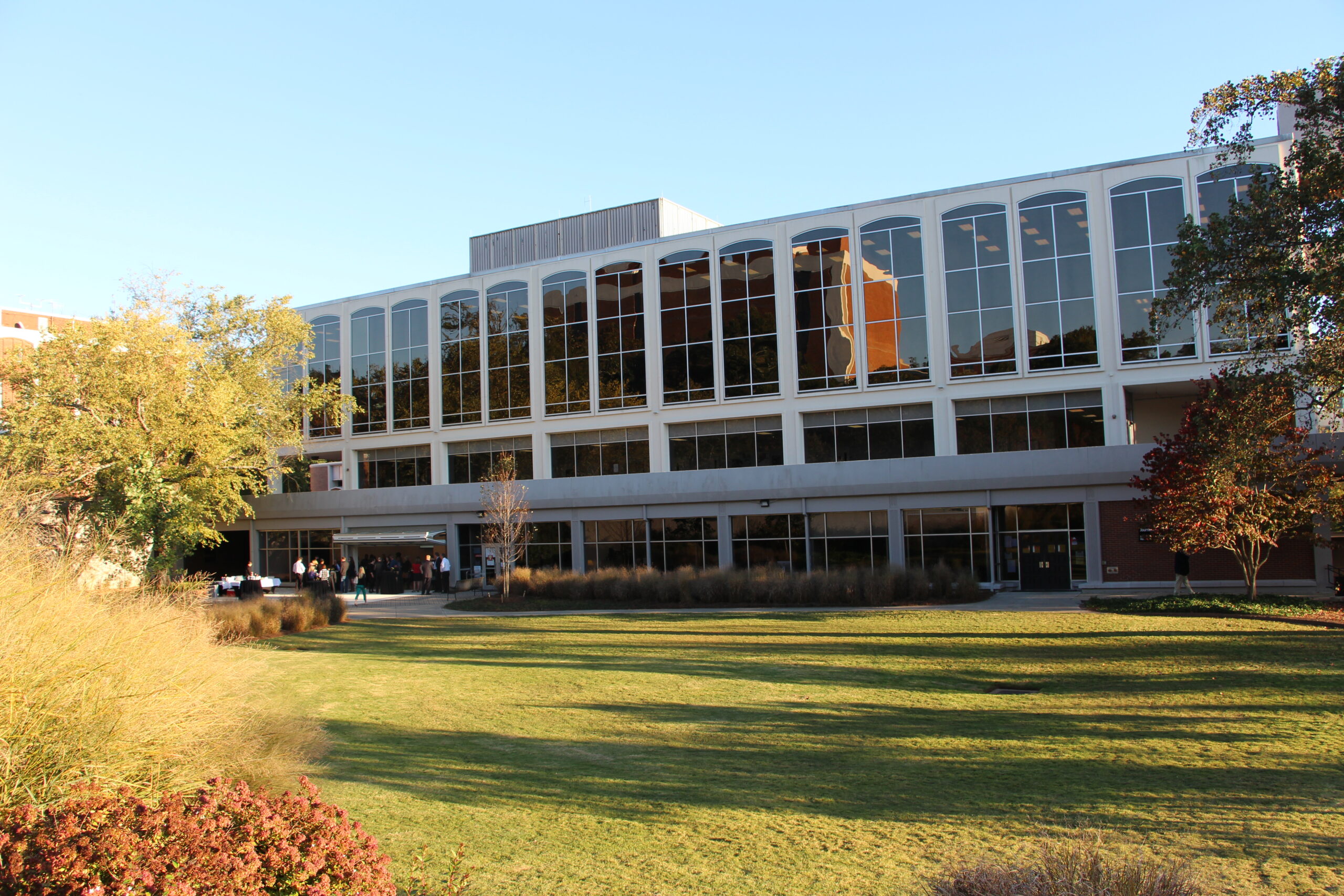
Journnalism:
The Grady College of Journalism and Mass Communication, ranked #4 nationally, trains leaders in advertising and public relations, with alumni at CNN and The Atlanta Journal-Constitution.
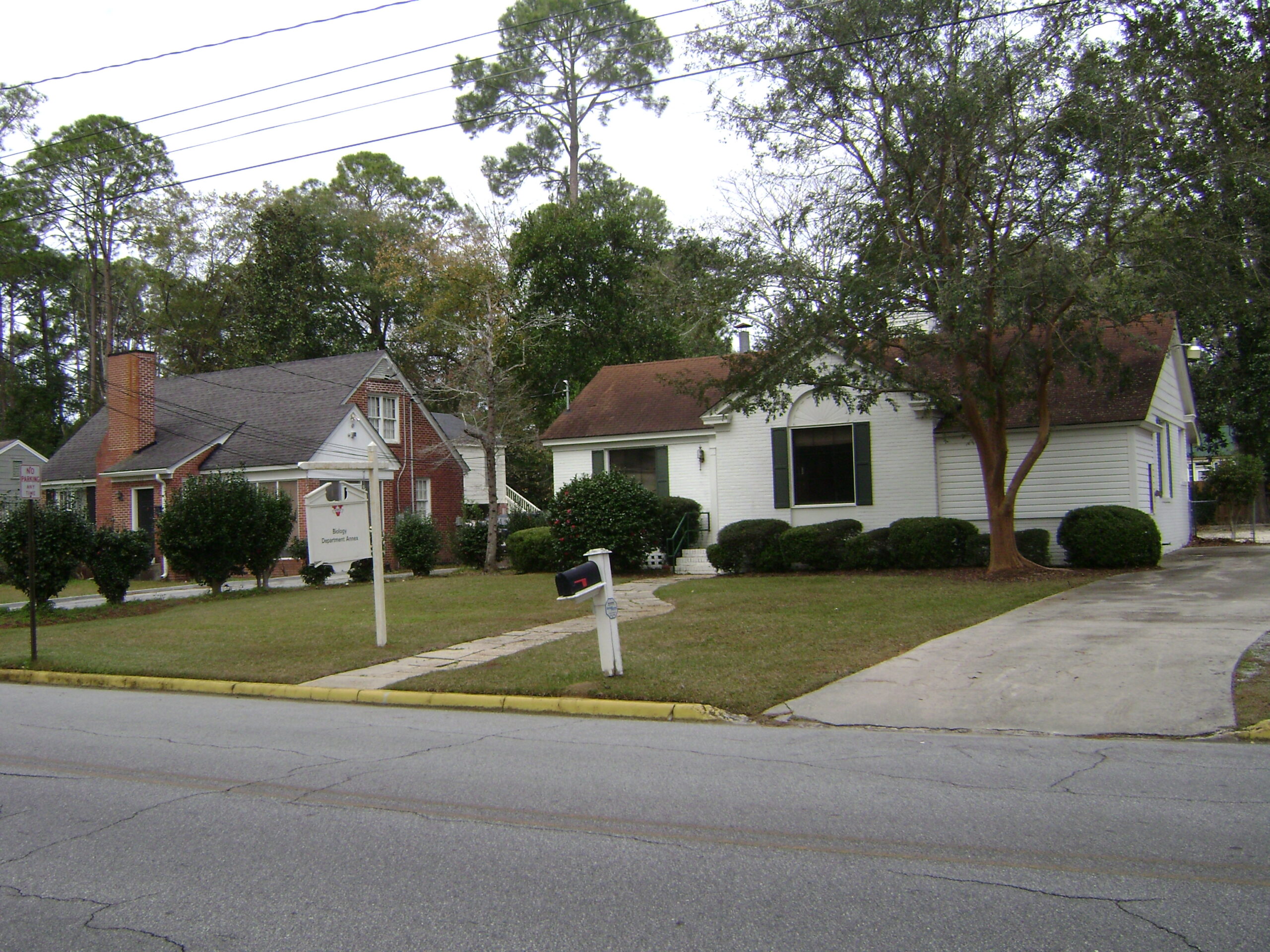
Biology:
The Franklin College of Arts and Sciences supports pre-med and ecology, with graduates at Emory Healthcare.
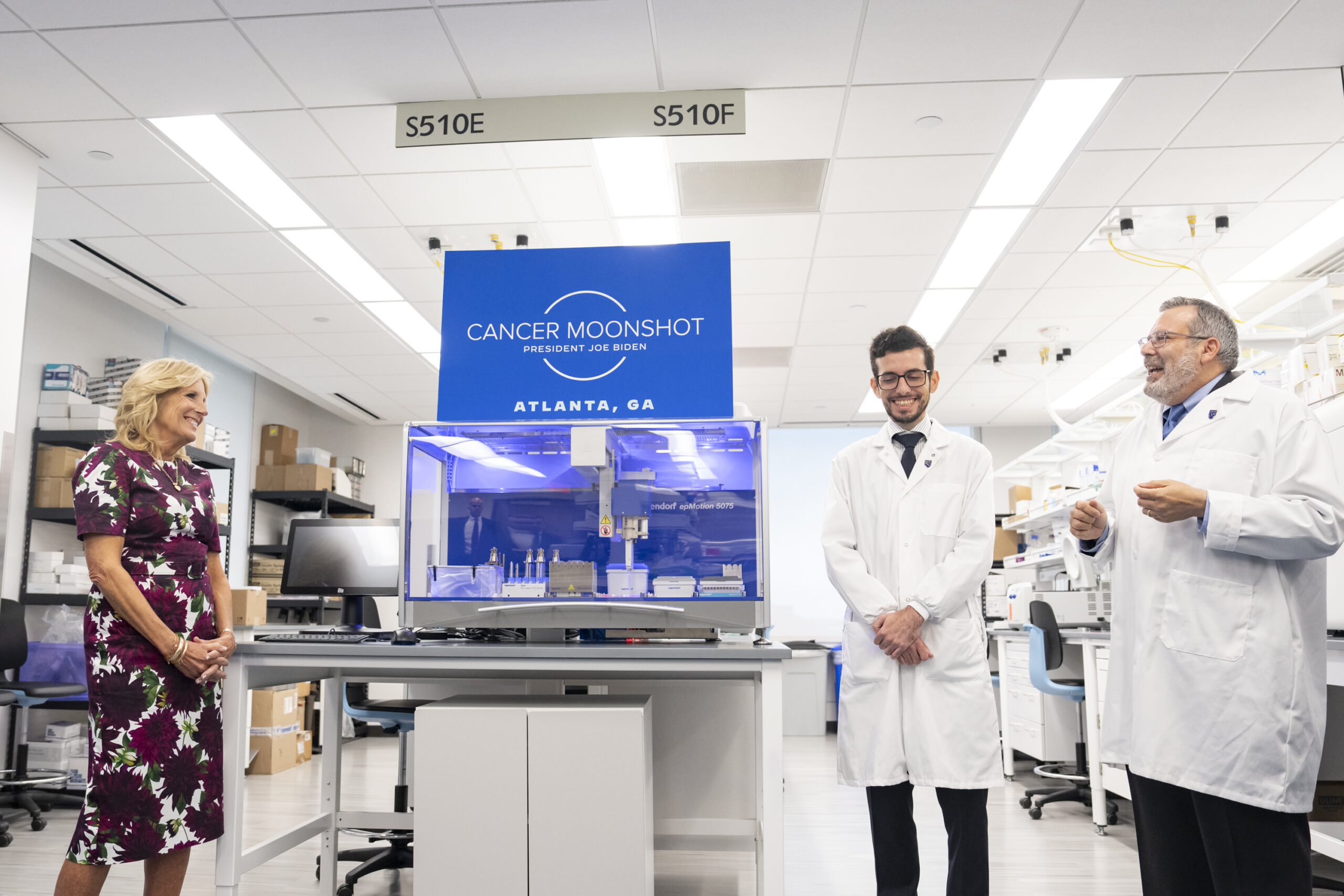
Public Administration:
The School of Public and International Affairs, ranked #3 nationally, prepares leaders for policy roles, with fieldwork in Atlanta.
Notable Alumni of University of Georgia

Herschell Walker:
Herschel Walker, born in Wrightsville, Georgia in 1962, attended the University of Georgia from 1980 to 1982 after a dominant high school career at Johnson County High School, where he was the nation’s top recruit, national high school scholar-athlete of the year, and state champion in track events like the 100-yard dash and shot put. What began as an immediate impact as a freshman—rushing for a then-NCAA freshman record 1,616 yards and 15 touchdowns while leading the Bulldogs to a perfect 12-0 season and the 1980 national championship (capped by a Sugar Bowl win over Notre Dame)—evolved into one of the greatest three-year runs in college football history. He amassed 5,259 rushing yards (an NCAA record for three seasons), 49 touchdowns, set 41 school records, 16 SEC records, and 11 NCAA records; earned unanimous All-America honors all three years; finished third, second, and first in Heisman Trophy voting (winning in 1982 as a junior); claimed the Maxwell Award; and left as one of the most celebrated players in program and college football lore before turning pro early with the USFL’s New Jersey Generals.
He later completed his bachelor’s degree in criminal justice (with plans for law school) from UGA after his pro career, fulfilling a promise to his mother by graduating in December 2024 from the College of Family and Consumer Sciences—over four decades after leaving early. His ties to the University of Georgia endure through his iconic legacy as a Bulldog legend and his philanthropy supporting the institution. Key contributions include donations such as $100,000 toward a new building, $100,000 for scholarships, and $10,000 to the Vince Dooley Library Fund in the 1990s, along with serving on the University of Georgia Foundation Board of Trustees starting in 1998. Inducted into the College Football Hall of Fame in 1999, the UGA Athletic Association Circle of Honor in 2025 (alongside tennis coaches), and celebrated as part of the program’s all-time greats, he has returned for events, spoken to student-athletes about education and community service, and emphasized teamwork in life as in football. Today, these efforts sustain Georgia’s football excellence, promote education and giving back in rural communities (a focus of his advocacy), inspire resilience and leadership among Dawgs past and present, and reflect his deep gratitude to the University of Georgia that launched his extraordinary path from small-town Georgia to national stardom and beyond.

Alton Brown:
Alton Brown, born in Los Angeles, California in 1962, and raised in north Georgia, attended the University of Georgia in Athens in the early 1980s after starting at LaGrange College (where he majored in business) and transferring to UGA to study filmmaking and drama. What began as his pursuit of a creative career—working as a cinematographer, director of photography on music videos (including R.E.M.’s “The One I Love”), and producer of commercials—evolved into a groundbreaking pivot toward food media. After leaving UGA one credit short of his degree in the mid-1980s (later completing his bachelor’s in drama in 2004 when curriculum changes waived the final French requirement), he enrolled at the New England Culinary Institute in 1995, graduated in 1997, and combined his film expertise with culinary science to create and host Good Eats on Food Network in 1999—a show that ran for 16 seasons, blending humor, science, history, and practical cooking to educate and entertain millions.
His ties to the University of Georgia endure through his celebrated status as a proud Bulldog alumnus and his return for high-profile engagements that highlight his creative and educational impact. Key moments include delivering the undergraduate commencement address in 2010 (urging graduates to embrace life’s brevity, avoid debt, marry wisely, and find fulfillment beyond jobs), keynoting the Return to the Arch Alumni Seminar in 2015 (focusing on food’s intersection with research, economy, and culture), and participating in events like narrating with the Athens Symphony. UGA proudly claims him as an alum, awarding his Peabody Prize-winning Good Eats in 2007 (a George Foster Peabody Award from the university itself), and recognizing his journey from Athens theater and film studies to global food icon. Today, his legacy inspires UGA students in creative fields, journalism, culinary arts, and entrepreneurship—bolstering the university’s reputation for producing innovative storytellers and educators—while reflecting his deep-rooted gratitude to the Dawg community that helped shape his unconventional path to becoming a chef, author, entrepreneur, and beloved teacher of “the why” behind every bite.

Charles Koch:
Charles Koch, born in Wichita, Kansas in 1935, graduated from the Massachusetts Institute of Technology (MIT) with a Bachelor of Science in general engineering in 1957, followed by a Master of Science in nuclear engineering in 1958 and another in chemical engineering in 1959. What began as his rigorous technical education at MIT—focusing on oil refining and engineering principles—evolved into leadership of Koch Industries, which he joined in 1961 and transformed from a regional oil refining business into one of the largest privately held companies in the world, with diversified operations in energy, chemicals, commodities, and manufacturing (including the 2005 acquisition of Georgia-Pacific).
While Charles Koch is not an alumnus of the University of Georgia, his ties to the institution endure through the Charles Koch Foundation’s support for higher education programs that promote principles of free societies, economic freedom, and well-being. The foundation has partnered with the University of Georgia among hundreds of institutions nationwide, providing grants for research, student programs, and initiatives exploring market-based solutions, policy analysis, and interdisciplinary scholarship. These contributions align with Koch’s broader philanthropic vision—through the Charles Koch Foundation—to foster open intellectual environments, advance innovative ideas, and remove barriers to individual potential across more than 300 colleges and universities. Koch has received honorary degrees from other institutions (including George Mason University) in recognition of his support for education and research, and his foundation continues to fund projects that encourage diverse perspectives and practical solutions to societal challenges. Today, these efforts sustain UGA’s emphasis on rigorous inquiry, economic understanding, and student development, reflecting Koch’s commitment to empowering learners and advancing progress through education and principled philanthropy in the Bulldog community and beyond.

Kim Bassinger:
Kim Basinger, born in Athens, Georgia in 1953, enrolled at the University of Georgia after winning the Junior Miss Georgia title and turning down an initial modeling contract with the Ford Modeling Agency in favor of pursuing singing and acting. What began as her brief time on campus—studying while exploring her creative passions—evolved into a swift pivot to professional modeling in New York City, where she became a top earner at $1,000 a day, appearing on numerous magazine covers and as the Breck Shampoo girl in the early 1970s. Disliking the industry’s focus on appearance, she transitioned to acting, debuting on television in the late 1970s before starring in films like Never Say Never Again (1983) as a Bond girl, The Natural (1984), 9½ Weeks (1986), Batman (1989) as Vicki Vale, and earning an Academy Award for Best Supporting Actress for her iconic role as Lynn Bracken in L.A. Confidential (1997), along with a distinguished career spanning drama, comedy, and independent films.
Her ties to the University of Georgia endure through her status as a native Athenian and celebrated Georgia-born talent, with UGA proudly recognizing her as an alumna/attendee in lists of notable figures from the state and institution. Born and raised in Athens—where her family had deep roots—she has maintained connections to her home state, including a high-profile 1989 purchase of much of the town of Braselton (with plans for tourism, studios, and a film festival, though later sold amid financial challenges) and public appearances like signing autographs at UGA’s Henry Field Stadium tennis complex in 1991 after donating a lighting system. The university highlights her in alumni spotlights and Georgia cultural histories, celebrating her journey from local beginnings to Hollywood stardom. Today, her legacy inspires aspiring artists and performers in the Bulldog community, bolsters UGA’s reputation for producing world-class talent in entertainment and the arts, and reflects her enduring bond to her Georgia roots, embodying resilience, creativity, and the transformative power of following one’s passions for future generations of Dawgs.

Ryan Seacrest:
Ryan Seacrest, born in Atlanta, Georgia in 1974, attended the University of Georgia in Athens in the fall of 1992 as a journalism major in the Henry W. Grady College of Journalism and Mass Communication, while continuing his early radio work at a local station. What began as his freshman-year pursuit of broadcasting—building on high school internships and on-air experience at WSTR/Star 94 in Atlanta—evolved into a bold move at age 19 when he left UGA to relocate to Los Angeles and chase a full-time entertainment career. There, he hosted shows like Gladiators 2000 and Radical Outdoor Challenge, landed radio gigs, and skyrocketed to fame as the longtime host of American Idol (2002–2019, with a revival), On Air with Ryan Seacrest (his syndicated radio flagship), American Top 40, co-host and executive producer of Live with Kelly and Ryan, and—starting in 2024—the host of Wheel of Fortune following Pat Sajak’s retirement. He has also produced hits like Keeping Up with the Kardashians and earned multiple Emmy nominations and wins for his multifaceted work in TV and radio.
His ties to the University of Georgia endure through his celebrated status as a former Bulldog student and his return for meaningful engagements that honor his Georgia roots. In 2016, Seacrest delivered the spring commencement address in Sanford Stadium—urging graduates to “make it happen,” embrace kindness, bravery, and meaningful connections—while receiving an honorary Doctor of Humane Letters degree from the university he attended as a freshman. UGA proudly features him among notable alumni and Grady College figures, highlighting his journey from Athens journalism studies to global media dominance. He has engaged with students through events, private lunches with Grady journalism students, and public reflections on his time in Athens, including selfies with mascot Uga during his 2016 visit. Through the Ryan Seacrest Foundation, which establishes broadcast media centers in pediatric hospitals to inspire creativity and provide outlets for young patients (often involving student interns from journalism programs), his philanthropy intersects with educational themes. Today, these connections sustain UGA’s reputation for nurturing media innovators and communicators, inspire current Dawgs in journalism, broadcasting, and entrepreneurship, and reflect his enduring gratitude to the Bulldog community that helped launch his path to becoming one of entertainment’s most influential and recognizable figures.
Why UGA Is a Great Choice for Investing In College Properties
Athens’ cultural vibrancy, economic stability, and Southern charm, with 131,200 city residents and 228,000 in the metro area, make it an ideal place to live and study. Establishing Georgia residency, achievable after 12 months, offers significant benefits for UGA students. In-state tuition for 2024-2025 is $12,752, compared to $33,490 for out-of-state students, saving $20,738 annually, or $82,952 over four years. In-state students also benefit from scholarships like the HOPE Scholarship, covering up to 90% of tuition for eligible residents. Athens’ real estate market, with high demand in UGA-adjacent areas like Downtown Athens and Five Points, supports rental income and appreciation, driven by the city’s growth and UGA’s expansion, including new research facilities planned for 2026. Owning property near campus aligns with lifestyle and financial goals, making Athens a smart investment.